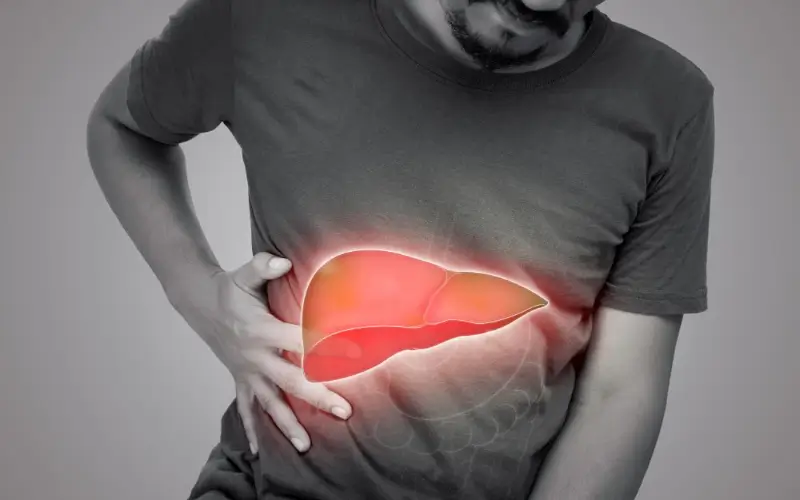
Type 2 diabetes is a chronic metabolic disorder in which the body either does not produce enough insulin or does not use insulin effectively. Insulin is a hormone produced by the pancreas that helps glucose (sugar) enter cells to be used for energy. When insulin does not work properly, glucose builds up in the bloodstream, leading to high blood sugar levels. Over time, uncontrolled blood sugar can damage the heart, kidneys, nerves, eyes, and blood vessels.
Type 2 diabetes is the most common form of diabetes and usually develops in adults, although it is increasingly seen in younger individuals due to lifestyle changes.
Causes
The exact cause of type 2 diabetes is not fully understood, but it is strongly linked to insulin resistance. In this condition, the body’s cells do not respond properly to insulin, forcing the pancreas to produce more. Eventually, the pancreas cannot keep up, and blood sugar levels rise.
Several risk factors increase the likelihood of developing type 2 diabetes. These include obesity, physical inactivity, unhealthy diet, family history of diabetes, increasing age, high blood pressure, and high cholesterol levels. Certain conditions such as polycystic ovary syndrome (PCOS) and a history of gestational diabetes also raise the risk.
Symptoms
Type 2 diabetes often develops gradually, and symptoms may be mild at first. Common signs include increased thirst, frequent urination, increased hunger, fatigue, blurred vision, slow-healing wounds, and frequent infections. Some individuals may also experience numbness or tingling in the hands and feet.
In many cases, people may not notice symptoms for years, which is why regular health checkups and blood sugar testing are important, especially for those with risk factors.
Treatment
Treatment of type 2 diabetes focuses on controlling blood sugar levels and preventing complications. Lifestyle changes are the foundation of management. A balanced diet rich in whole grains, vegetables, lean proteins, and healthy fats helps regulate blood glucose. Regular physical activity improves insulin sensitivity and supports weight management.
Oral medications may be prescribed to help lower blood sugar levels. In some cases, insulin therapy or other injectable medications may be required if blood sugar is not controlled with lifestyle changes and tablets alone.
Monitoring blood sugar regularly is essential for effective management. Maintaining a healthy weight, controlling blood pressure and cholesterol, and attending regular medical checkups are also important parts of treatment.
Type 2 diabetes is a serious but manageable condition. Early diagnosis, healthy lifestyle choices, and proper medical care can help individuals lead a healthy and active life while reducing the risk of long-term complications.