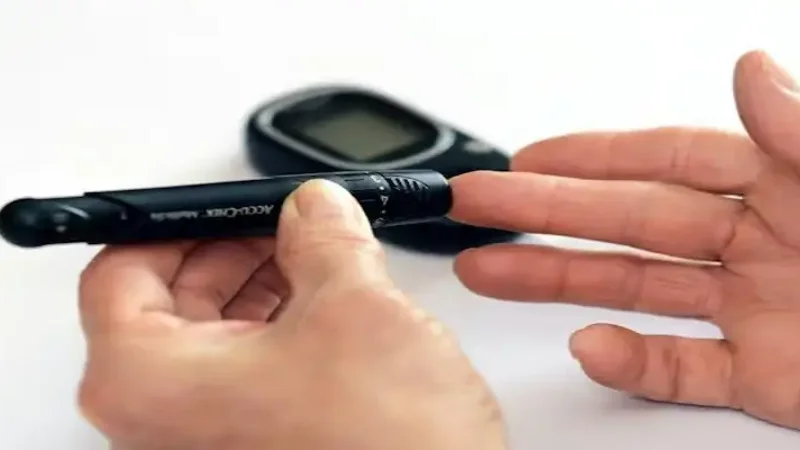
Type 2 diabetes occurs when the body has trouble making or using insulin, a hormone that helps sugar enter cells to provide energy.
People with type 2 diabetes often cannot use insulin properly and may not produce enough of it. This condition can result from lifestyle factors like poor diet and lack of exercise, but age, genetics, and other factors also play a role.
High blood sugar levels caused by type 2 diabetes can damage various parts of the body over time, increasing the risk of serious complications such as heart attack, kidney disease, vision loss, and even amputation.
Managing type 2 diabetes involves regularly monitoring blood sugar levels and using medicine, diet, exercise, and healthy habits to keep blood sugar within a safe range.
Signs and Symptoms of Type 2 Diabetes
Type 2 diabetes doesn’t always have symptoms, at least not initially. Many people are diagnosed with the disease during routine checkups and blood tests.
Still, you should be aware of the symptoms and warning signs of high blood sugar, including:
-Frequent urination and extreme thirst -Unexplained weight loss (sometimes despite increased hunger) -Blurry vision -Confusion, irritability, or fatigue -Burning, tingling, or numbness in the hands or feet -Wounds that heal slowly or won’t heal -Recurrent yeast infections
These symptoms can develop quickly or gradually, and should be evaluated by a healthcare professional.
Read more: How to improve your memory: Seven natural ways
How Is Type 2 Diabetes Diagnosed?
Testing for type 2 diabetes is simple and can be done during a routine checkup. Two common tests include the A1C test, which shows your average blood sugar levels over the past few months, and the fasting glucose test, which measures your blood sugar at the moment before you eat any food.-An A1C result of 6.5 percent or higher indicates that you have diabetes.
-A fasting blood sugar level of 126 milligrams per deciliter (mg/dL) or higher indicates diabetes.
Doctors also have other testing methods, such as glucose tolerance tests and random blood sugar checks. If you don’t show clear symptoms of diabetes, your doctor may recommend a second test to confirm the diagnosis.
Lifestyle Changes for Type 2 Diabetes
For Type 2 Diabetes, lifestyle changes focus on diet, exercise, weight management, and stress reduction: eat balanced meals ( plate method - half veggies, quarter protein, quarter carbs), aim for 150 mins/week of moderate activity, achieve/maintain healthy weight (even 5-10% loss helps), don't smoke, limit alcohol, get good sleep, manage stress (mindfulness), and stay consistent with small, manageable steps for better blood sugar control and reduced complications.Read more: How Many Calories Do You Burn Walking?