As the world observes World AIDS Day today, global health leaders and communities are raising urgent alarms over the stagnating progress in the fight against HIV/AIDS. With the theme “Overcoming disruption, transforming the AIDS response,” this year’s focus underscores the importance of resilience, innovation, and community-led efforts to end AIDS as a public health threat by 2030.
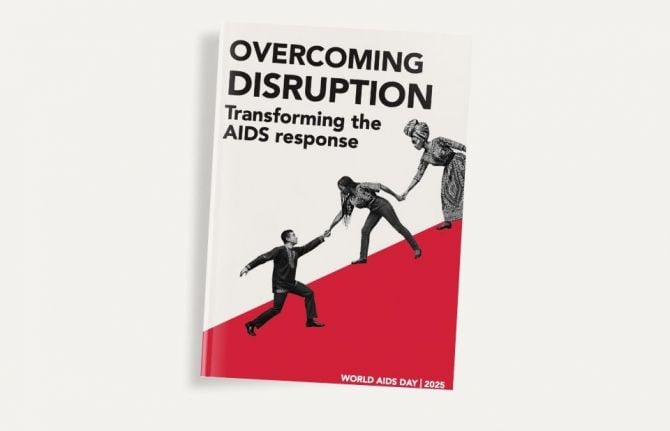
Since its inception in 1988 by the World Health Organization, World AIDS Day has served as a vital platform to raise awareness, remember those lost to HIV-related illnesses, and galvanize action. However, despite decades of progress, the HIV response faces unprecedented hurdles, including declining funding, service disruptions, and persistent stigma.
Global and Regional Outlook:
An estimated 40.8 million people worldwide live with HIV, with over 610,000 in the Eastern Mediterranean Region alone. Alarmingly, new infections in this region have nearly doubled in recent years from 37,000 in 2016 to 72,000 in 2024. Yet, less than 40% of those infected know their status, and fewer than a third are receiving treatment, revealing critical gaps in detection and care.
Challenges in the Fight Against HIV:
Funding remains a significant obstacle. With international donors reducing support, countries are increasingly reliant on domestic funding an area where investments remain inadequate. Disruptions in services exacerbated by pandemics, conflicts, and economic inequalities—are threatening decades of progress.
Marginalized populations, including sex workers, transgender persons, and men who have sex with men, continue to face stigma, discrimination, and legal barriers that hinder prevention and treatment efforts.
Rising Concerns of Pakistan:
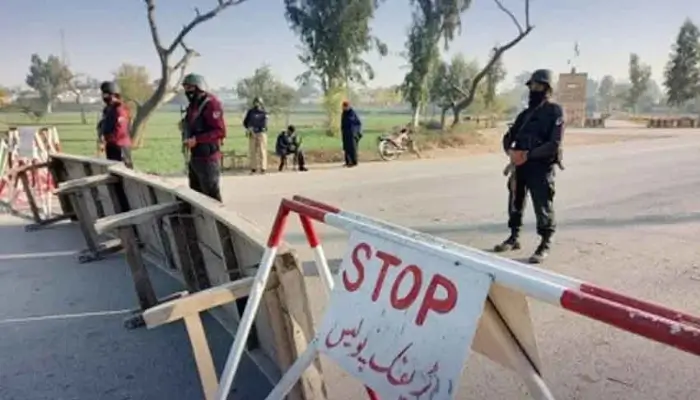
Pakistan is experiencing an alarming surge in HIV cases. In the first nine months of 2025, over 10,000 new cases have been confirmed an unprecedented rise that might exceed 14,000 by year’s end, surpassing last year’s total of 13,001.
Authorities report that many detections stem from incidental screenings during medical procedures, but significant gaps in legislation and screening for high-risk groups remain. Experts warn that the real number of infections is likely much higher, with undiagnosed cases fueling further transmission.
Recent outbreaks in cities like Mirpurkhas and Taunsa have revealed troubling modes of transmission, including syringe reuse and poor infection control, affecting children and families beyond traditional high-risk groups. The rise is particularly steep among men who have sex with men and transgender populations, with drug-assisted sexual encounters exacerbating the spread.
Call to Action:
Health experts emphasize the urgent need for reforms, including mandatory HIV screening, increased domestic funding, and community-led initiatives. WHO and partners are urging governments to integrate HIV services into broader health systems, expand prevention efforts, and combat stigma and discrimination.
“If we do not act now, the number of new infections and deaths will continue to rise, and the goal of ending AIDS by 2030 will slip further away,” warned WHO spokesperson.
As the world reflects on the progress made and the battles ahead, the message is clear: transforming the HIV response is critical. Only through sustained commitment, innovation, and community engagement can we hope to end AIDS as a public health threat and safeguard the future for millions worldwide.
Modelling by UNAIDS, WHO, and UNICEF suggests as many as 40,000 people could contract HIV in Pakistan by the end of 2025, though the majority may remain undiagnosed due to gaps in screening and surveillance systems.