Cardiovascular diseases remain the leading cause of death worldwide, claiming approximately 19–20 million lives annually.
However, research indicates that most strokes are preventable up to 80% of premature strokes and heart attacks can be avoided through simple, evidence-based lifestyle modifications.
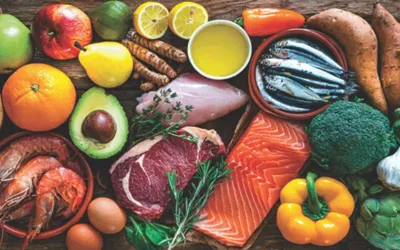
Nutrition plays a vital role in reducing stroke risk. Diets high in salt, sugar, saturated fats, and processed foods increase blood pressure, cholesterol, and obesity.
Experts recommend nutrient-dense eating patterns such as the Mediterranean or DASH diets, rich in fruits, vegetables, whole grains, lean proteins, nuts, and healthy fats.
Aim for at least five servings of fruits and vegetables daily, limit salt intake to under 1,500 mg per day, reduce sugary drinks and processed meats, and avoid trans fats. Even small swaps, like choosing fresh salads over fried foods, can make a significant difference over time.
Regular exercise strengthens the heart, enhances circulation, lowers blood pressure, and improves overall cardiovascular health.
Adults should aim for 150 minutes of moderate-intensity activity each week including brisk walking, cycling, swimming, or dancing along with two sessions of strength training.
Studies show that physically active individuals have a 25–30% lower risk of stroke than those leading sedentary lifestyles. Even small movements, such as taking the stairs or walking short distances, can yield meaningful benefits.

Excess body weight, especially around the abdomen, puts additional strain on the heart and blood vessels, increasing the risk of hypertension, diabetes, and stroke.
Maintaining a healthy BMI below 25 offers strong protection, and even modest weight loss of 5–10% can significantly lower blood pressure and inflammation. Combining portion control, balanced nutrition, and regular physical activity is key to achieving and sustaining a healthy weight.
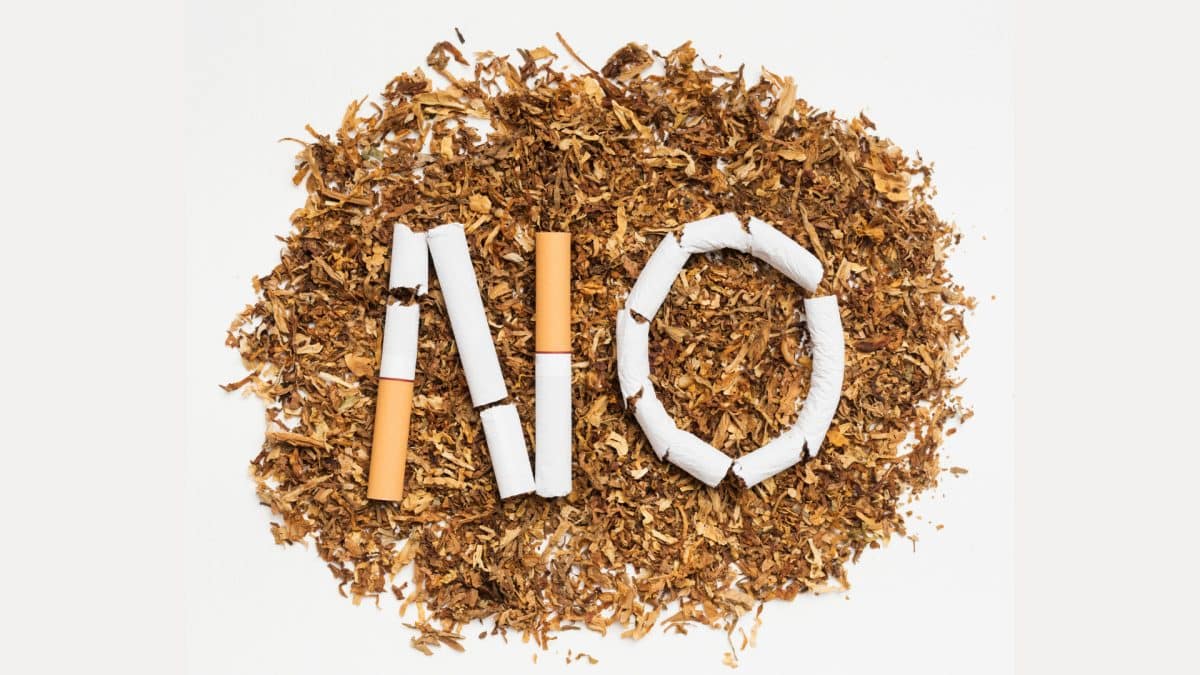
Tobacco use damages blood vessels, raises blood pressure, and heightens clotting risk. Excessive alcohol intake also increases blood pressure and can lead to irregular heart rhythms.
Quitting smoking can reduce stroke risk by up to 50%, while alcohol should be consumed in moderation no more than one drink per day for women and two for men.
Stroke prevention is within reach through consistent lifestyle adjustments. By adopting a balanced diet, staying active, maintaining a healthy weight, and avoiding tobacco and excessive alcohol, individuals can lower their stroke risk by up to 80%. Implementing small, sustainable changes today can safeguard both heart and brain health for the future.