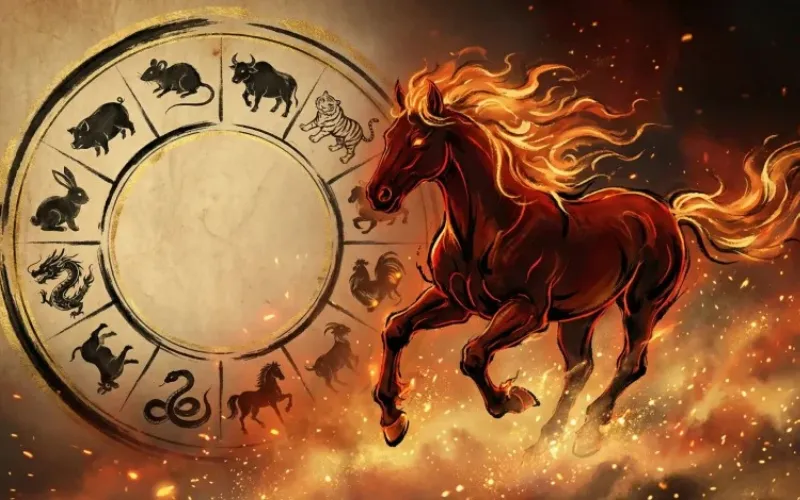
Saddle up and embrace the arrival of the Year of the Fire Horse as the first new moon of the lunar calendar rises on February 17, 2026, communities across China and around the globe are preparing for the 15-day Spring Festival a dazzling celebration of vibrancy, ritual, and cultural legacy.

From streets adorned with crimson lanterns to the sonic crackle of firecrackers and the aromatic allure of festive feasts, the Lunar New Year transforms cities and towns into a living tapestry of heritage, fortune, and familial warmth.
The Chinese zodiac, a meticulously designed 12-year celestial cycle, assigns each year an animal and element that shape destiny and influence fortune.
The Year of the Fire Horse fuses the “Bing” heavenly stem, symbolizing the radiant sun, with the “Wu” earthly branch, representing the Horse.
For many, the Tai Sui, celestial deities rotating parallel to Jupiter, guide the year’s prospects, offering insight into luck, opportunities, and challenges in the coming months.
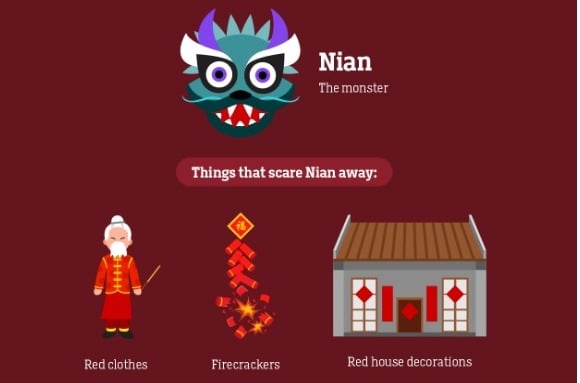
Steeped in folklore, the festival also celebrates resilience and ingenuity. Among the most cherished myths is that of Nian, a ferocious beast who would descend upon villages every New Year’s Eve.
Villagers discovered that scarlet banners, blazing firecrackers, and red attire could repel the creature, rituals that have endured and continue to define modern Lunar New Year traditions.
Preparations begin well before the New Year. On the 24th day of the last lunar month, families prepare festive cakes and puddings, known as gao or gou, which symbolize growth and elevation for the year ahead.
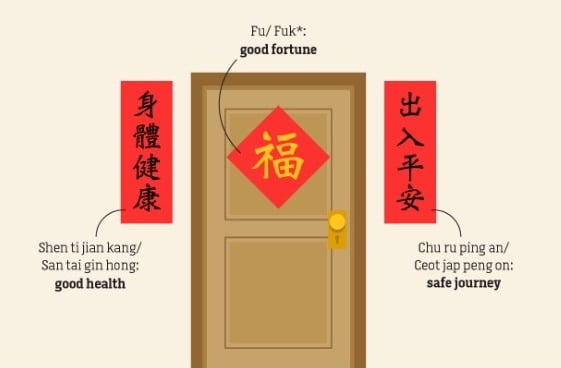
Homes undergo thorough cleaning to rid them of lingering misfortune, while auspicious banners (fai chun/chunlian) are displayed to attract prosperity and safeguard the household from negative energies.
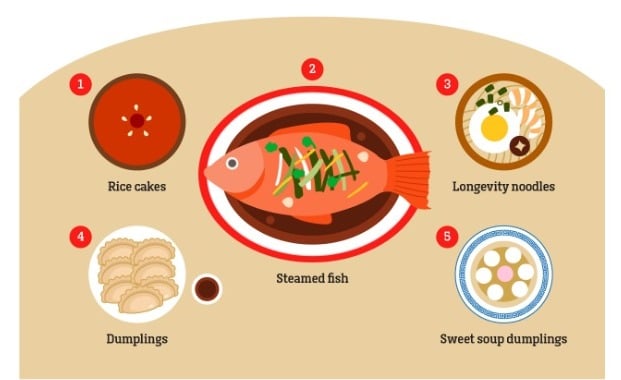
The pinnacle of the celebration is the Lunar New Year’s Eve reunion dinner, a lavish feast bringing families together. Tables overflow with symbolic foods such as fish, representing surplus, and dumplings or golden-hued puddings, symbolizing wealth and advancement.
Regional variations add diversity the north favors dumplings and longevity noodles, while the south emphasizes steamed rice and signature delicacies.
countries like Malaysia and Singapore, the energetic Yusheng (prosperity toss) adds flair, as families stir and toss ingredients together, invoking luck, abundance, and shared joy.
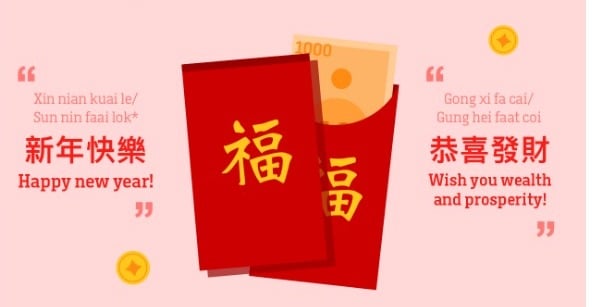
The early days of the Lunar New Year are dedicated to family visits, gift-giving, and the distribution of red envelopes (hongbao/lai see), particularly to children and unmarried juniors, believed to shield them from evil spirits (sui).
By Day 3 (Chi Kou/Cek Hau), temple visits allow followers to appease celestial forces and offset potential misfortunes, while Day 7 (Renri/Jan Jat) marks humanity’s birthday, celebrated with special meals such as seven-vegetable dishes or festive yusheng, symbolizing renewal, harmony, and communal prosperity.
From the glimmering lanterns and firecracker displays to the meticulous culinary rituals and temple offerings, the Lunar New Year 2026 is a spectacular fusion of culture, astrology, and ancestral heritage, inviting communities worldwide to partake in a time-honored tradition that celebrates new beginnings, family bonds, and the promise of fortune.