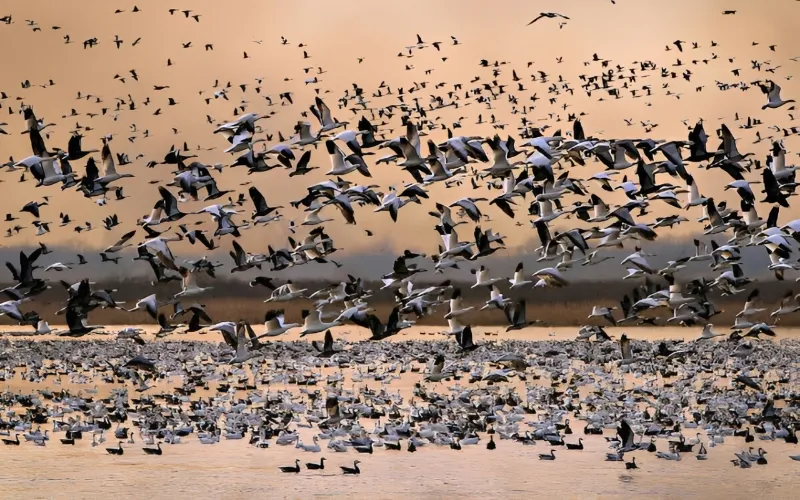
H5N1 bird flu will be spread across all the 7continents due to the vast interaction between the wild animals and some cases also observed in the migration of the ducks and other sea birds from one region to another.
Australian wildlife experts confirmed a suspected case of highly pathogenic avian influenza (H5N1) on June 20, 2026, after testing a brown skua found in Cape Le Grand National Park near Esperance, Western Australia.
The location sits about 700 kilometers southeast of Perth. At the same site, scientists also suspected infection in a southern giant petrel, raising concern that more seabirds may already carry the virus in the region.
Authorities sent samples to “CSIRO” for final confirmation, where experts identified the H5N. Scientists explained that avian influenza belongs to a broader group of flu viruses that naturally exist in wild birds. In most cases, these viruses stay mild, but a major shift occurred in 1996 when one strain turned highly dangerous and began causing severe disease in birds worldwide.
Since then, H5N1 has spread across continents and created a global wildlife crisis. It has killed millions of wild birds and affected more than 400 bird species. It has also moved into mammals, especially seals, and has caused major population losses in several regions.
Scientists also link the rapid spread to migration patterns, especially in species like ducks, which often carry the virus without showing strong symptoms. These birds continue flying long distances while infected, which allows the virus to move silently across regions.
Experts also point out that poultry farms play a major role in keeping the virus active because chickens make up a large portion of global bird populations. Infected birds spread the virus through droppings, water sources, direct contact, and even scavenging behavior from predators. Infected water bodies can also act as strong transmission points, especially for feeding and cleaning birds.
Australia remained free from H5N1 for many years bur current situation happened as the virus spread through Asia and Antarctica. Scientists believe limited migration links between Australia and infected regions helped delay its arrival. However, recent movement of seabirds such as skuas and giant petrels across oceans may have carried the virus closer to Australian waters.
Authorities now warn that the biggest risk lies in infected seabirds being eaten or scavenged by local wildlife, which could allow the virus to reach ducks. If that happens, the spread could accelerate quickly because ducks often travel widely and show mild symptoms.
For now, Western Australia continues intensive monitoring and testing to track any further cases and prevent wider transmission. Officials also urge the public to avoid handling sick or dead birds and to report any suspected cases immediately to wildlife authorities.