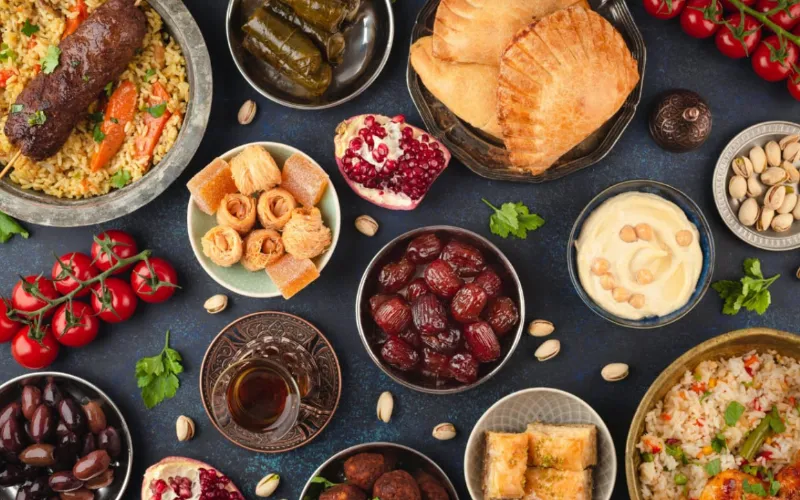
As families across the globe prepare for Ramazan, the iftar table remains one of the most anticipated highlights of the day. After long hours of fasting and prayer, it is natural to crave favourite foods.
Here’s how you can make your iftar both delicious and nourishing this Ramazan.
Hydration Beyond Just Water
While drinking water at iftar is essential, nutritionists suggest incorporating water-rich foods to enhance hydration.
Cucumbers, made up of more than 90% water, are among the most hydrating foods and are widely available in local markets. Adding them to salads, sandwiches, or yogurt-based dishes can significantly improve hydration levels.

Similarly, lettuce contains nearly the same water content as cucumbers. Its versatility allows it to be included in wraps, salads, and side dishes, making it an easy addition to the iftar spread.
Managing Sweet Cravings the Healthy Way
Sweet cravings after fasting are common, but refined sugary desserts can cause rapid blood sugar spikes followed by energy crashes.
Healthier alternatives include:
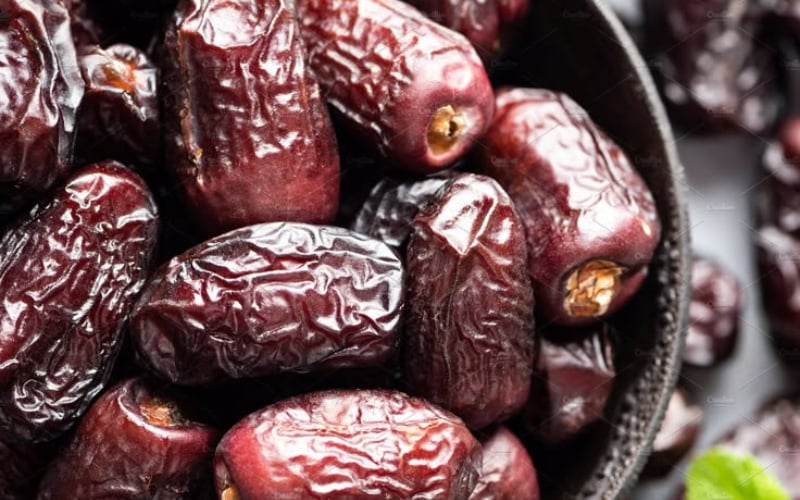
Dates: A traditional staple of iftar, dates provide natural sugars for gradual absorption and are rich in fibre to support digestion.
Oranges: High in water, fibre, and Vitamin C, oranges are refreshing and easy to digest, especially during winter months when they are in season.

Chia seeds: Though not sweet on their own, chia seeds absorb water and are rich in fibre. They can be added to yogurt, smoothies, or desserts to enhance nutrition and digestion.

Supporting Gut Health
Deep-fried foods are often central to traditional iftar meals, but experts warn that excessive fried and processed foods can strain the digestive system after long fasting hours.
Healthier cooking methods include:
- Air frying instead of deep frying
- Baking, steaming, or grilling instead of oil frying
- These alternatives reduce oil intake while maintaining flavour.
Another surprising addition to iftar menus is oats. Often overlooked, oats can be incorporated into popular dishes such as haleem or khichri, offering high fibre content that aids digestion, prevents bloating, and maintains hydration.
The Right Way to Break Your Fast:
- The order and pace of eating also matter.
- Begin with dates and water to gently raise blood sugar and rehydrate the body.
- Avoid starting with sugary juices.
- Eat slowly to allow the digestive system to adjust.
- Consider having a light portion before Maghrib prayer and finishing the meal afterward to prevent post-iftar drowsiness.
By making mindful choices from the beginning of Ramazan, families can enjoy fulfilling iftars while maintaining energy, digestion, and overall well-being. A balanced approach ensures that the holy month remains both spiritually uplifting and physically nourishing.