The United States and Iran have signaled that a possible agreement to end their ongoing conflict could be close, raising hopes of easing tensions after weeks of military escalation and diplomatic uncertainty.
The United States and Iran signaled on Friday that a potential agreement to end their ongoing conflict may be close, with a senior US administration official saying both sides had reached consensus on an initial draft and that Washington expects a preliminary deal to be signed in the coming days.
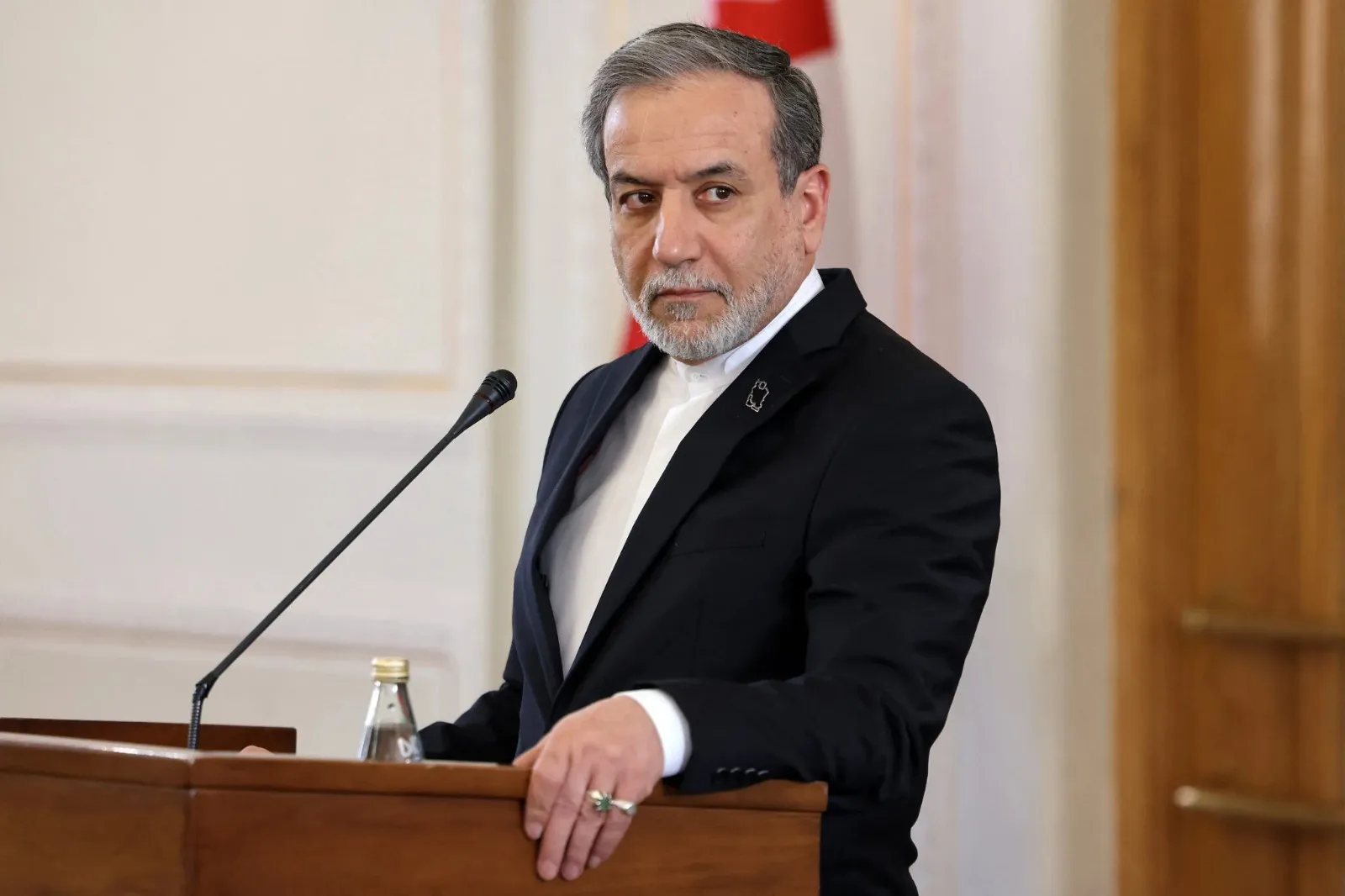
Iranian Foreign Minister Abbas Araghchi said that while some changes to the proposed agreement were still possible, the tentative understanding demonstrated that Iran had emerged from the conflict in a stronger position.
Speaking on state television, Araghchi claimed, “Iran is the winner of the war with the United States.”
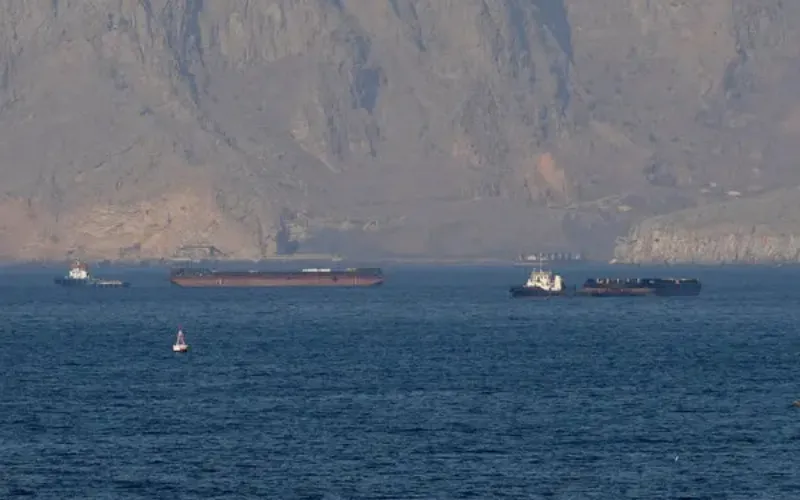
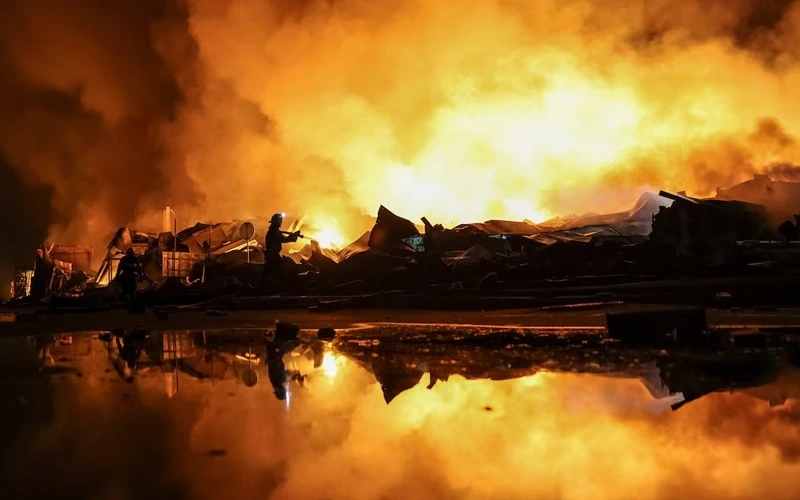
However, only hours after those remarks, tensions in the Gulf escalated again as US forces reportedly intercepted and shot down several Iranian one-way attack drones heading toward the Strait of Hormuz.
A source familiar with the matter told Reuters that the drones posed a threat to commercial maritime traffic. Later, the US Central Command (CENTCOM) confirmed the operation, stating that the vital waterway remained open for transit.
Read More: Trump says he has ‘cancelled’ strikes against Iran
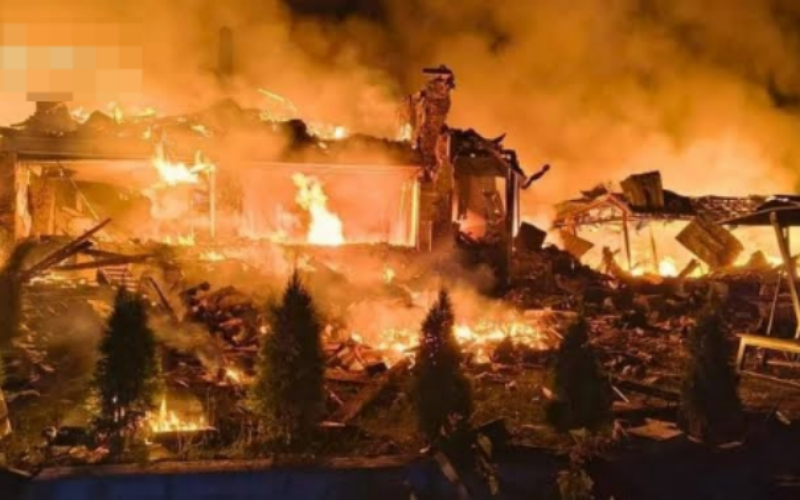
Meanwhile, Iranian media reported explosions near Sirik Port and Qeshm Island, where local officials and residents said Iranian forces had fired warning shots at vessels allegedly attempting to cross the Strait of Hormuz without authorization from the Revolutionary Guards’ navy.
According to sources familiar with the talks, the proposed memorandum of understanding includes provisions to reopen the Strait of Hormuz and lift the US naval blockade on Iranian ports, while formal negotiations regarding Iran’s nuclear program would begin afterward.
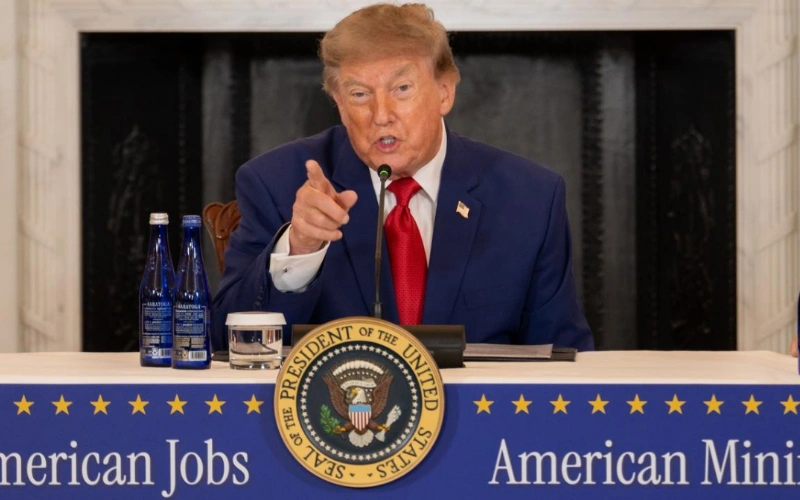
A senior US official, speaking on condition of anonymity, said the proposed deal fulfills President Donald Trump’s primary objectives and places negotiations in a “very good position.”
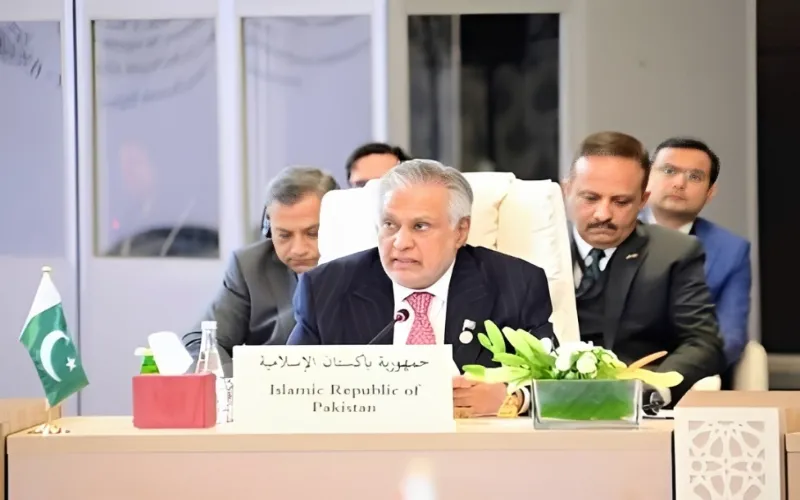
However, reports from Western, Pakistani and Iranian sources suggest that several proposed terms appear to favor Iran, drawing criticism in some political circles. Trump dismissed such reports as inaccurate.
Under the proposed framework, the United States could begin releasing billions of dollars in frozen Iranian assets and ease certain restrictions on Iranian oil exports. In exchange, Iran would reopen the Strait of Hormuz for commercial shipping.
A 60-day negotiation period has reportedly been proposed to address Iran’s nuclear program. US officials maintain that the agreement would eventually lead to the dismantling of Iran’s highly enriched uranium stockpile, along with a strict inspection and monitoring mechanism.
However, Araghchi made clear that Tehran is not prepared to completely abandon its nuclear program, insisting instead on diluting enriched uranium rather than eliminating it entirely.
Reports also indicate that discussions included potential war reparations for Iran and a possible softening of long-standing US demands regarding Tehran’s missile program, although American officials have denied those claims.
A US official stated, “Iran will not receive any financial relief until it fulfills its commitments. The Strait of Hormuz will remain open, and Iran will not finance terrorist groups.”
Israel, meanwhile, has made clear that it is not part of the proposed agreement. Prime Minister Benjamin Netanyahu said Israel would continue making independent decisions regarding its national security, while Iran suggested any agreement could also affect the ongoing conflict in Lebanon.
News of possible diplomatic progress triggered a positive reaction in global financial markets, while oil prices declined. Brent crude oil dropped to its lowest level in nearly two months.
The conflict has also become a growing political challenge for President Trump, as rising fuel prices and declining public approval create additional pressure on the White House ahead of upcoming elections.