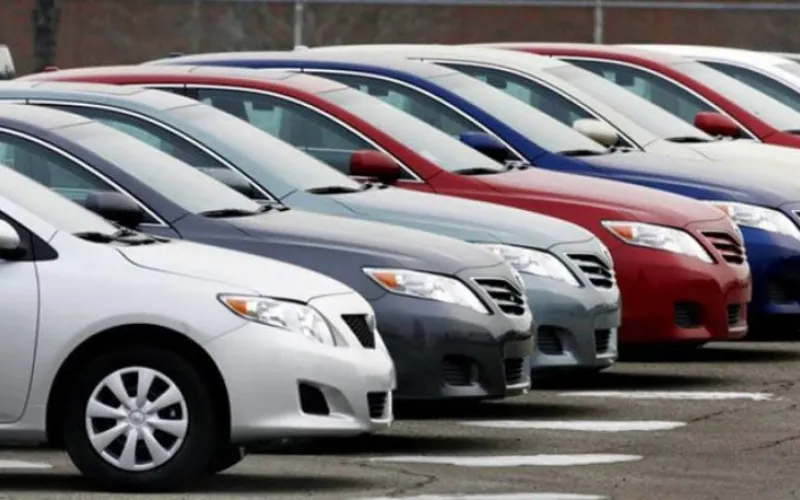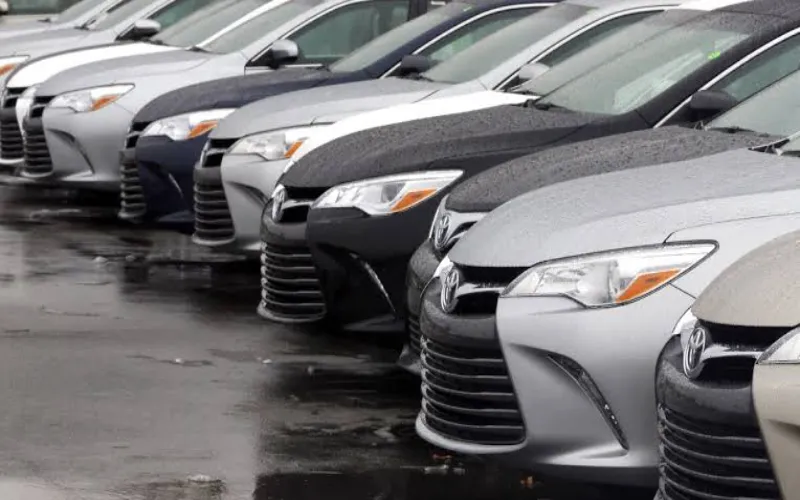
The government of Pakistan plans to reduce taxes and import duties on vehicles under a new five-year auto policy.
The move will increase competition in the auto market and give people more vehicle options at lower prices. The current auto policy will end on June 30. Therefore, the government is preparing a new framework for the automotive sector.
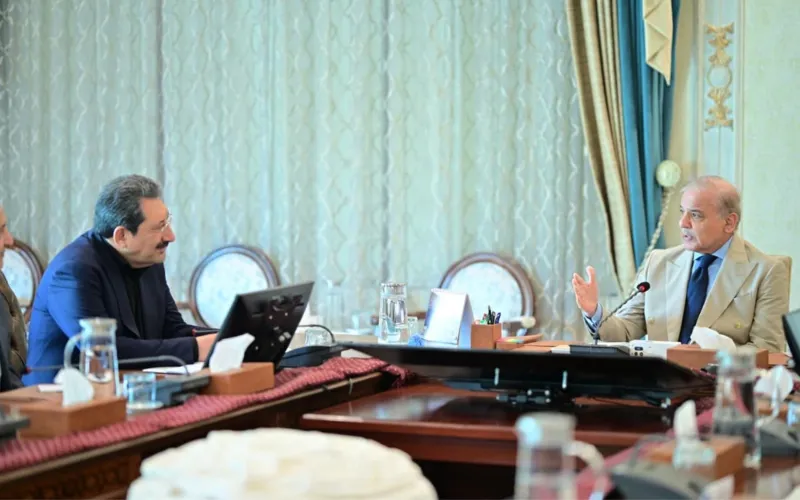
Officials discussed the plan during a meeting of the National Assembly Standing Committee on finance held by MNA Syed Naveed Qamar.
Under the proposal, the government will cut taxes on imported vehicles in different engine categories. For vehicles with engines above 1,800 cc, the total tax burden may fall from 156% to 74%. For vehicles above 1,500 cc, taxes may decrease from 91% to 57%.
The government also plans to reduce taxes on mid sized vehicles. Cars with engine capacities between 1,000 cc and 1,500 cc may see taxes drop from 76% to 52%. Small vehicles with engines up to 850 cc may face a reduction from 66% to 42%.
These changes will open the market and support international trade commitments. They also believe consumers will benefit from greater choice and better prices.
Lawmakers also discussed electric vehicles during the meeting. Shahida Akhter Ali raised concerns about the lack of charging stations across the country, ” If there are no proper charging stations across the country, so how will these vehicles operate?”. Some members questioned how people could use electric vehicles without proper charging facilities.
FBR officials also told the committee that EVs priced more than $75,ooo around PKR 20 million are not listed under Federal Excise Duty (FED).
Other lawmakers said the government should follow a clear and consistent policy on electric vehicles. They noted that electric cars remain more expensive than traditional vehicles. They also highlighted the fast pace of technological change in the auto industry.
Government officials said electric vehicles currently enjoy lower taxes than conventional vehicles. They added that the government wants to encourage cleaner and environmentally friendly transport.
The committee asked officials to improve the proposed policy. Members also requested solutions for taxation issues, charging infrastructure, and market competition before the government finalizes the new auto policy.