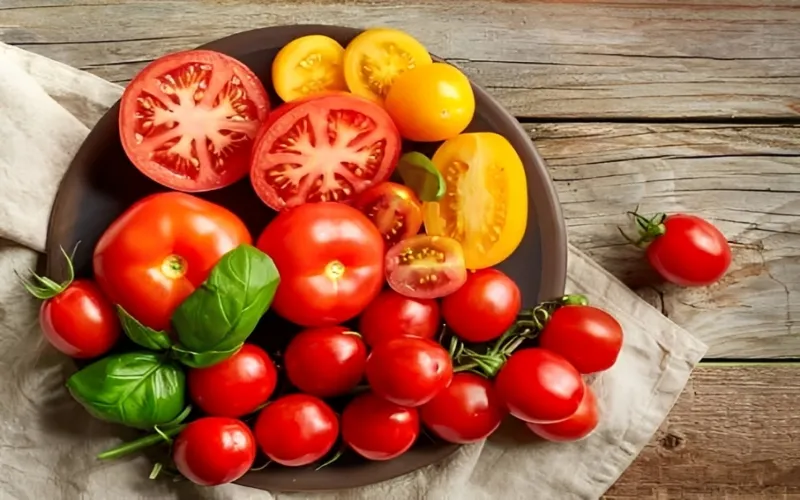
A natural compound found in tomatoes may help protect against fatty liver disease, according to a new Tufts University study published Aug. 26, 2026, offering new clues about how tomatoes may support liver health.
The compound, called phytoene, has received less attention than lycopene, the red pigment widely associated with tomatoes. Phytoene is a colorless substance that plants use to produce lycopene and other carotenoids, which give many fruits and vegetables their bright colors.
Researchers say the finding could be important because metabolic dysfunction-associated steatotic liver disease, affects a large number of adults in the United States. The condition occurs when excess fat builds up in liver cells. If it worsens, it can cause inflammation, liver damage and, in severe cases, cirrhosis, a form of permanent scarring.
For the study, scientists fed mice a diet high in refined carbohydrates for six months. The diet was designed to reflect eating patterns linked to fatty liver disease, including high intake of sugary foods and drinks.
One group of mice also received phytoene in an amount roughly comparable to consuming three to four medium tomatoes or about 100 grams of tomato paste each day.
When researchers compared the animals, mice receiving phytoene showed much less severe fatty liver disease than those that ate the same unhealthy diet without the compound.
The researchers also looked at metabolism and gut bacteria. Their findings suggested that phytoene’s effects were not mainly linked to changes in the gut microbiome.
This suggests that the possible benefits may come from smaller substances created when the body processes phytoene. Genetic differences in these enzymes could also mean that people respond differently to the compound.
Scientists said future research should examine whether sex-related differences affect how the compound is absorbed and used. Phytoene is also found in carrots, red peppers, pink grapefruit, watermelon and apricots. However, the researchers stressed that more studies are needed to determine whether phytoene can protect against fatty liver disease in humans.