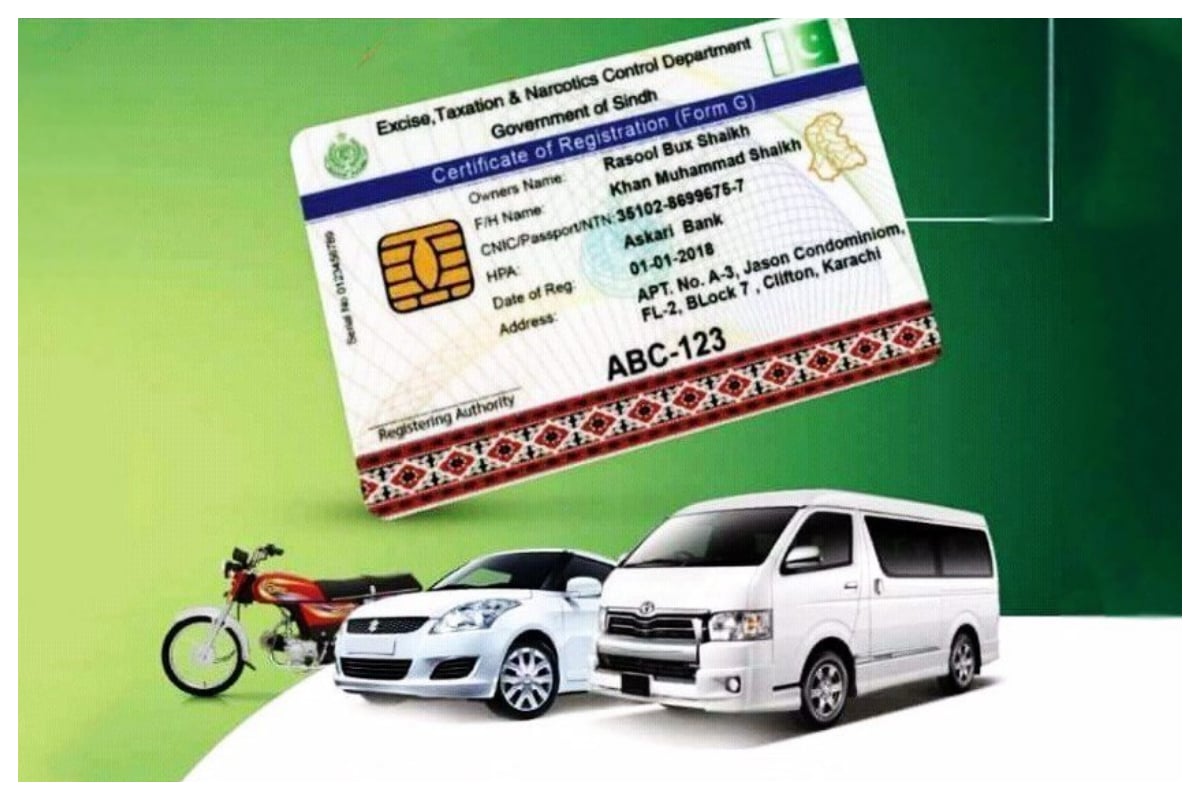
- Rawalpindi’s Excise Department has made smart cards mandatory for vehicle registration.
- The new smart card system began on July 1 and aims to streamline the registration process.
- Smart cards cost Rs. 1,300, are valid for one month, and are delivered to owners’ homes.
Rawalpindi – The Excise, Taxation, and Narcotics Control Department has taken a significant step towards modernizing vehicle registration with the mandatory use of smart cards. This new system, which began on July 1, aims to simplify the registration process for cars and motorcycles and improve overall efficiency.
Smart Card Implementation
The transition to the smart card system has successfully cleared a three-month backlog, leaving only a one-month delay for registrations submitted between June 15 and July 20. The smart cards, which cost Rs. 1,300, are valid for one month and are produced at a specialized plant in Lahore. They are delivered directly to vehicle owners’ homes via Pakistan Post. Currently, there are 14,619 smart cards in process for Rawalpindi district vehicle and motorcycle owners.
Number Plate Issues
However, there have been some setbacks with the new computerized number plates. Manufacturing has been halted due to complaints about the poor quality of materials used. As a result, many vehicle owners are now purchasing number plates from the open market.
Tax Collection and Discounts
The department has set ambitious tax collection goals, aiming to gather Rs 1 billion every quarter from the motor branch. Notices for property tax, luxury tax, and commercial property tax have been issued across all six districts of Rawalpindi Division. To encourage timely payment, a 5% discount is offered on property tax if paid in full for the first quarter (July 1 to September 30), and a 7% discount is available for online payments through their e-system. However, new property tax notices come with a 10% increase in the tax amount.
[embedpost slug=”/suzuki-cultus-latest-prices-for-filers-and-non-filers-july-2024/”]
Field Inspections
In an effort to ensure compliance and fair tax payment, the Director General of Excise has mandated field inspections to monitor and enforce tax regulations.