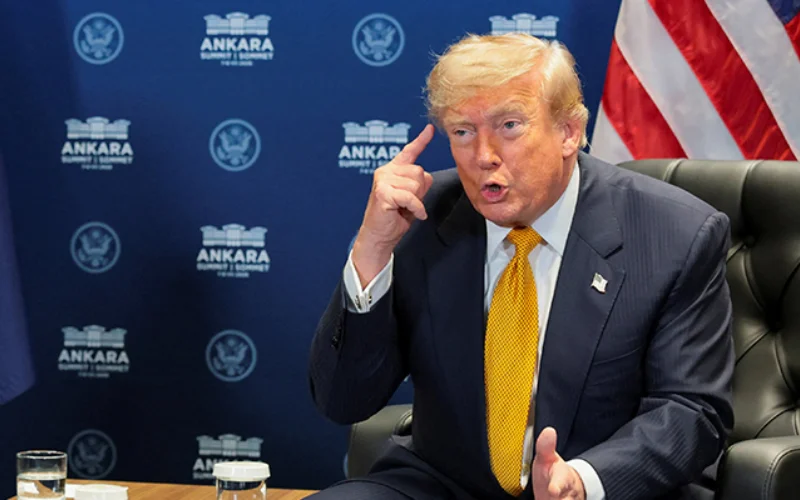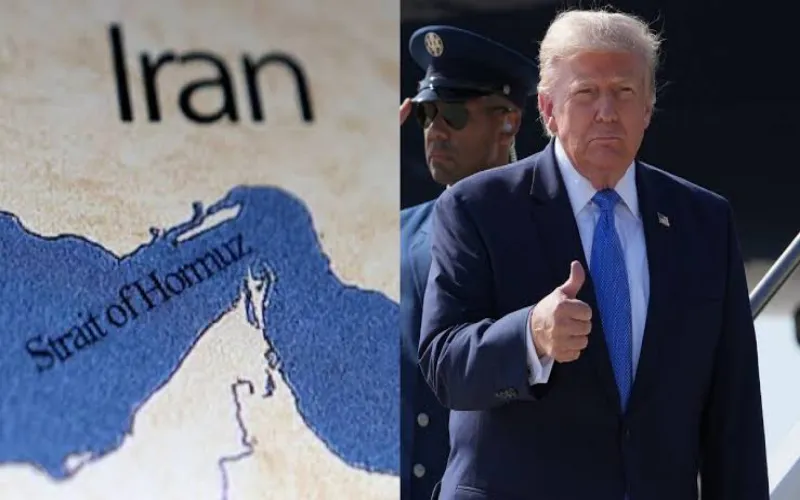
WASHINGTON: U.S. President Donald Trump said that the Strait of Hormuz could reopen “very soon” or Iran would face a strong response, as hopes for a possible diplomatic breakthrough pushed global oil prices to their lowest level in three weeks.
Trump made the comments during an interview with Fox News while visiting California, saying discussions with Iran had shown progress and that Tehran was interested in reaching an agreement to end months of conflict.
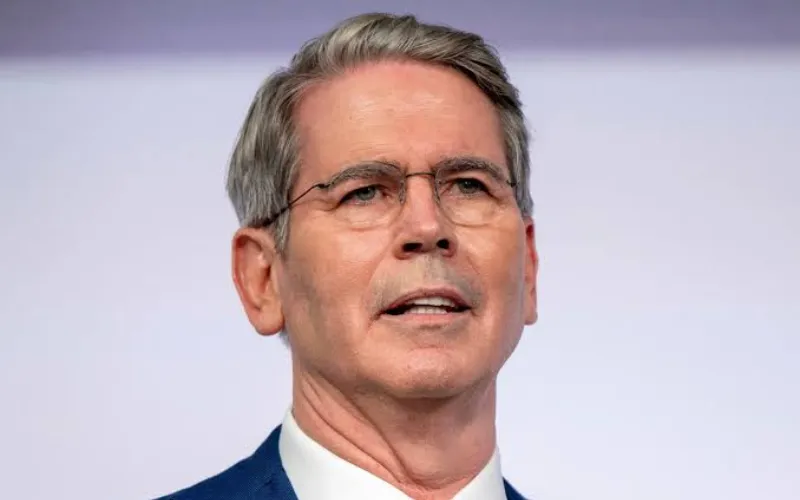
The comments came after U.S. Secretary of State Marco Rubio and Treasury Secretary Scott Bessent said negotiations had advanced, raising expectations that commercial shipping through the strategic waterway could resume.
Following the reports, Brent crude prices, the global oil benchmark, dropped nearly 5% to below $80 a barrel. U.S. West Texas Intermediate crude also declined more than 5% to around $76 a barrel, reaching its lowest level since July 13.
President Donald Trump said on Tuesday that the Strait of Hormuz would “be open very soon” as the United States holds talks with Iran, warning Tehran it would face military action if negotiations collapsed.
“We were going to a tremendous attack, the biggest since World War II,… pic.twitter.com/bfbuyuNaXc
— Iran International English (@IranIntl_En) August 5, 2026
Trump said the United States was involved in “very good discussions” and expressed confidence that Iran wanted to reach a deal. However, no details of a possible agreement have been publicly released.
Rubio said progress had been made in talks involving Iran and Oman, which has played a role as a mediator, but added that a final agreement had not yet been reached by saying that “We’re hoping that will happen very shortly.”
Bessent said there was a possibility of an agreement to reopen the Strait of Hormuz within days, adding that such a move would restore freedom of movement for commercial vessels.
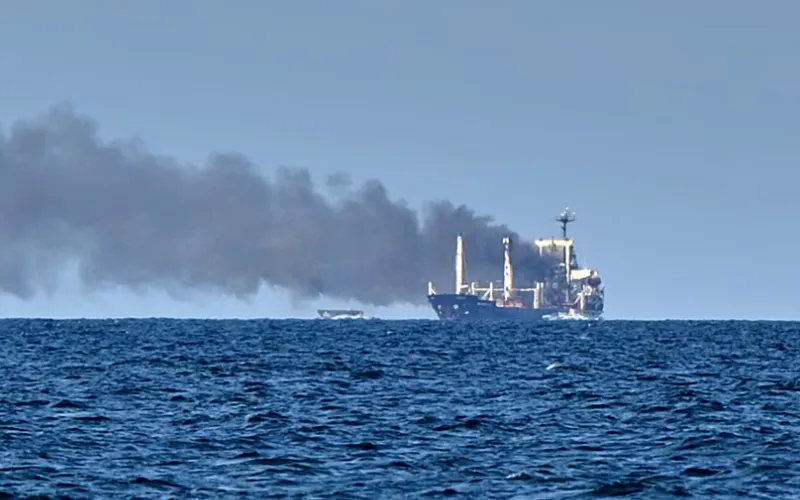
Meanwhile, the U.S. Central Command (CENTCOM) said the southern route through the Strait of Hormuz remained open for commercial ships. The command said it had helped more than 1,000 vessels safely pass through the waterway over the past three months.
The southern route through the Strait of Hormuz remains free and open for all commercial vessels seeking to transit the international waterway. Over the past three months, U.S. forces have assisted more than 1,000 vessels in successfully transiting the strait despite unwarranted… pic.twitter.com/TcszH0GimG
— U.S. Central Command (@CENTCOM) August 4, 2026
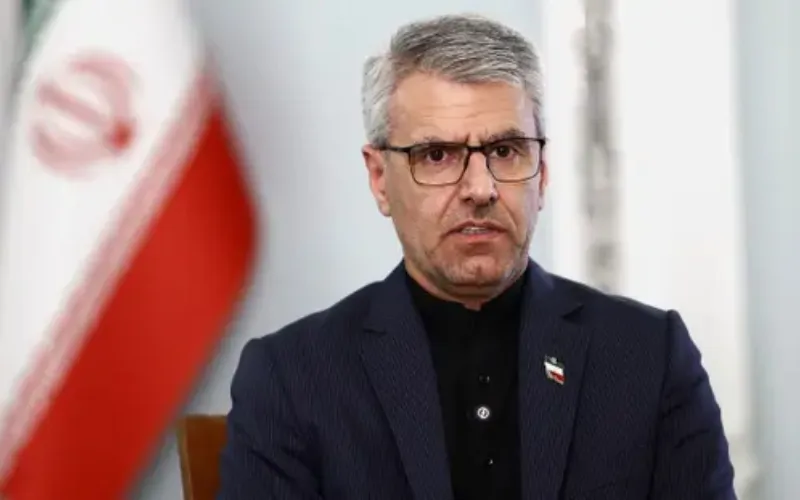
Iran has denied holding direct negotiations with the United States and said it was instead communicating through Oman. Iranian officials said discussions with Oman regarding a new system for vessel movement through the strait had been positive.
The Strait of Hormuz remains a major focus in the conflict because it previously carried about one-fifth of the world’s daily oil and liquefied natural gas supplies.
Since tensions increased, Iran has restricted much of the shipping traffic through the waterway, while the United States has imposed pressure on Iranian ports.
The uncertainty has created volatility in global energy markets, with analysts warning that continued attacks on vessels in the region could further affect oil supplies and fuel prices worldwide.
The United States, Iran and regional mediators continue efforts to find a diplomatic solution as concerns remain over the security of one of the world’s most important energy routes.