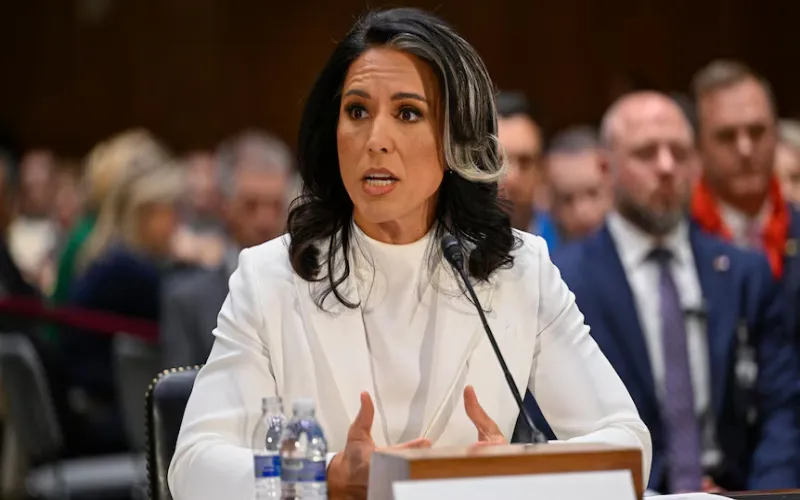
WASHINGTON: US intelligence chief Tulsi Gabbard has announced her resignation, ending her role as Director of National Intelligence. She said she is stepping down due to a personal reason involving her family.
Gabbard shared a letter with President Donald Trump on social media platform X. In the letter, she said her resignation will take effect on June 30. She explained that her husband, Abraham, has been diagnosed with a rare form of bone cancer. She said she wants to stay with him and support him during his treatment.
I am deeply grateful for the trust President Trump placed in me and for the opportunity to lead @ODNIgov for the last year and a half.
Unfortunately, I must submit my resignation, effective June 30, 2026. My husband, Abraham, has recently been diagnosed with an extremely rare… pic.twitter.com/PS0Dxp5zpd
— Tulsi Gabbard 🌺 (@TulsiGabbard) May 22, 2026
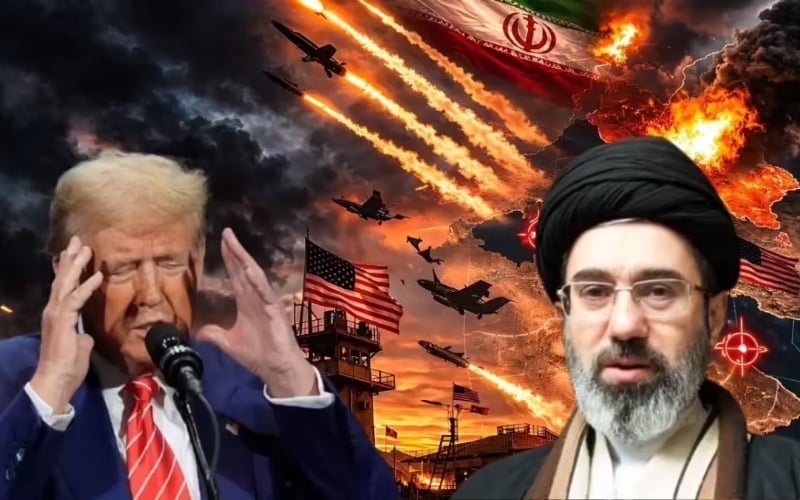
Gabbard’s role involved coordinating intelligence and security information for the president. Her resignation comes during a time of reported differences with Trump over the Iran conflict.
After her announcement, Trump praised her work and said she had done an excellent job. He said her deputy, Aaron Lukas, will serve as Director of National Intelligence after she leaves the post.
Gabbard, a former democrat, was considered an unusual choice for the intelligence role because of her past views on foreign policy. She had previously spoken against military action in Iran and questioned some US intelligence positions. She also faced criticism in the past for meeting former Syrian President Bashar al-Assad and for her comments related to global conflicts and US surveillance policies.
Further more, she was less involved in key decisions in recent months, especially as tensions with Iran increased. She was not present in some high level meetings before the US and Israeli strikes on Iran in February.
During her time in office, she sometimes disagreed with official government positions on Iran’s nuclear program and security threats. She said decisions about war were the responsibility of the president and shared intelligence views that differed from the administration’s justification for military action.
Gabbard previously served in the US Army National Guard and was deployed in Iraq. Her military experience influenced her strong views against long foreign wars.