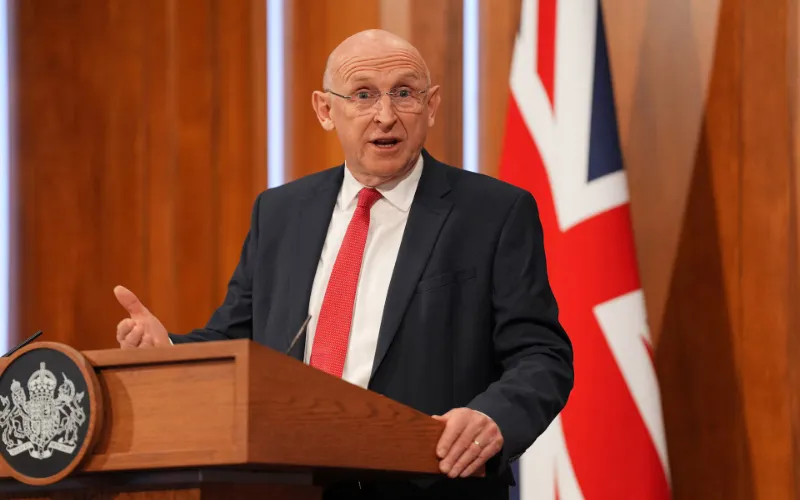
LONDON: British Defence Secretary John Healey resigned on Thursday in a surprising move that has shaken UK politics.
He blamed Prime Minister Keir Starmer and the finance ministry for failing to provide enough money for defence investment. The resignation comes at a critical time for the government and has raised fresh questions about the country defence plans.
Healey announced his decision through a resignation letter posted on X. In the letter, he said the government had not committed the resources needed to protect the country. He argued that defence spending must increase because global security threats are growing. His departure is seen as a major setback for Starmer government.
John Healey has given this country serious service in a serious time.
He took on the Ministry of Defence at a moment when the world was getting more dangerous, not less, and he carried that weight with the discipline and decency that the job demands.
I worked alongside him… https://t.co/f7ZbZUBqKR
— Al Carns (@AlistairCarns) June 11, 2026
The resignation comes just one week before an important by election. Political pressure on Starmer is already increasing, and some analysts believe the result could trigger calls for a leadership challenge.
For months, disagreements had been growing over the government long awaited Defence Investment Plan. The plan is designed to guide military spending over the next decade.
However, its release has been delayed several times. These delays frustrated defence officials and industry leaders who wanted clear commitments.
Prime Minister Starmer has promised to increase defence spending to 2.5% of GDP from next year. He also plans to raise it to 3% during the next parliament. Despite these promises, Healey believed the proposed investment plan did not go far enough to meet the country’s needs.
In his resignation letter, Healey said he received full details of the plan only on Monday. After reviewing it, he concluded that the funding was far below what was required. He warned that accepting the plan could weaken military readiness and increase risks for troops. That warning has drawn attention across the political spectrum.
Healey also said the lack of funding could make Britain less safe at a time of rising international tensions. He stressed that defence decisions should match the seriousness of current security challenges. His comments highlight growing concerns about military preparedness.
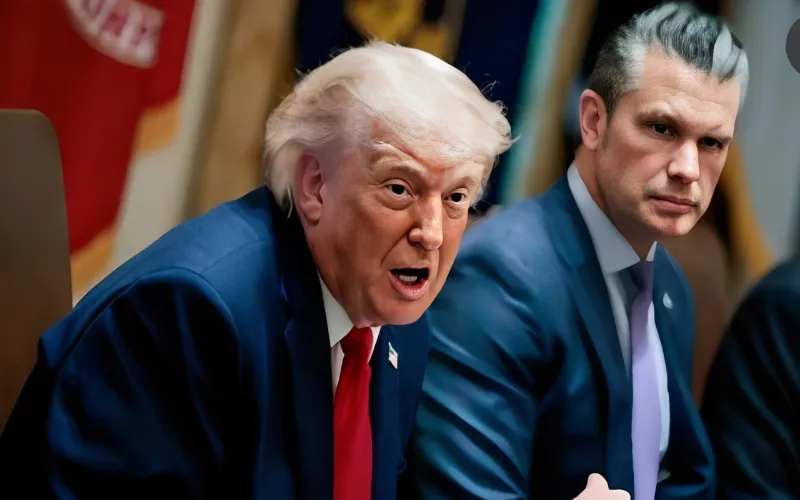
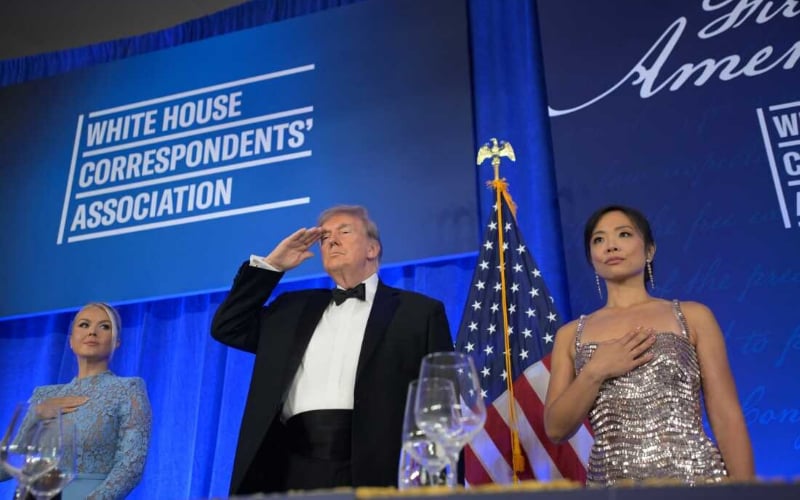
The issue has gained even more importance as NATO allies face pressure to increase defence spending. US President Donald Trump has repeatedly called on NATO members to spend more on their own security instead of relying heavily on the United States.
Meanwhile, speculation continues about labor political future. Greater Manchester Mayor Andy Burnham is contesting the Maker field parliamentary seat and has said he would take part in any future labor leadership race. Although no leadership contest has been announced, Healey’s resignation has added fresh uncertainty to the political landscape.
With defence funding now under the spotlight and political tensions rising, all eyes will be on the government’s next move. The coming weeks could prove crucial for both Britain defence strategy and Starmer leadership.