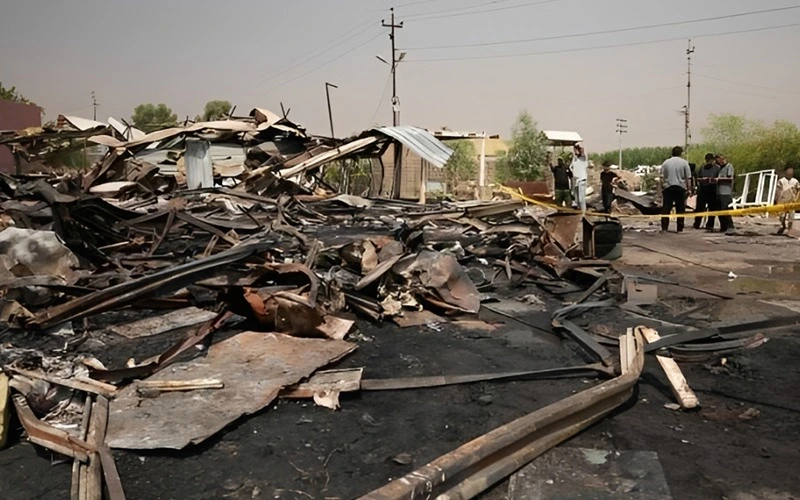
BAGHDAD: US and Saudi air strikes across Iraq killed around 20 members of Iran-backed armed groups, including Iranian advisers linked to the Islamic Revolutionary Guard Corps (IRGC), according to reports citing US officials, as tensions between Washington, Riyadh and Tehran continue to rise in the region.
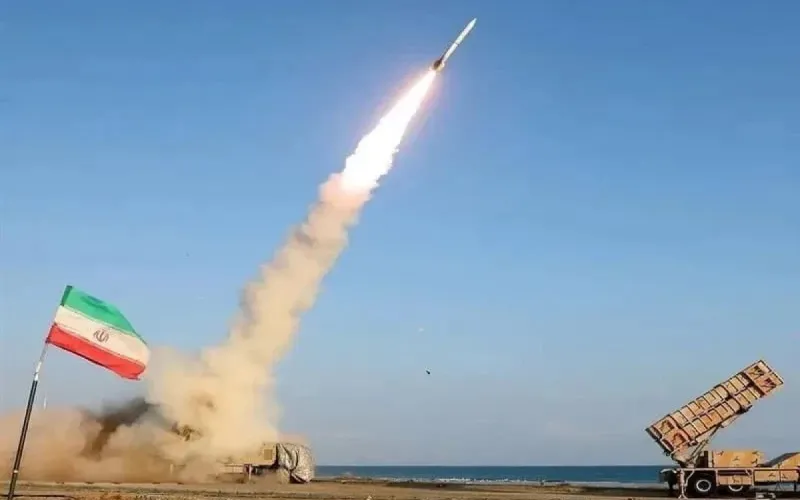
A US official told The New York Times that the targeted locations were selected because of the presence of Iranian military advisers and were intended to weaken the ability of Iran-backed militias to launch missile and drone attacks.
Iranian officials separately confirmed that four IRGC members were killed in the strikes. Hasan Ghamari, deputy governor of Iran’s Markazi province for political, security and social affairs, told the state-run Islamic Republic News Agency that the four personnel were providing security support for Arbaeen pilgrimage ceremonies when they were killed in Iraq’s eastern Diyala province.
Iraq’s Popular Mobilisation Forces (PMF), an umbrella group of Iran-backed militias, said at least 20 of its members were killed and 32 others wounded in the joint US-Saudi strikes on its positions across Iraq.
The US Central Command (CENTCOM) and Saudi Arabia’s Ministry of Defence said the strikes targeted Iran-aligned militias responsible for attacks against American forces and Saudi energy infrastructure.
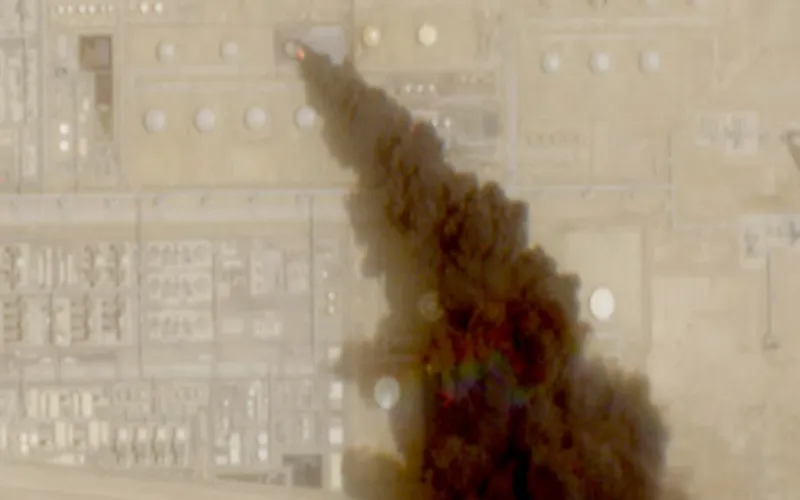
Saudi Arabia said the military action was carried out in response to recent drone attacks launched from Iraqi territory. The Saudi Ministry of Defence said its air defence systems had intercepted and destroyed several drones that attempted to target petroleum facilities in the Eastern Province and areas near Riyadh.
Read More: U.S.,Saudi strikes hit Iran backed groups, raising regional tensions
“The Kingdom emphasises that it does not seek escalation but will respond to any aggression it faces,” the ministry said.
The Islamic Resistance in Iraq, a self-described armed group backed by Iran, denied involvement in attacks on Saudi Arabia and rejected Riyadh’s accusations as “fabrications”. The group warned that any Saudi military action would face a strong response.
The PMF condemned the US-Saudi operation, describing it as a “highly dangerous escalation” and a violation of Iraq’s sovereignty and official security institutions.
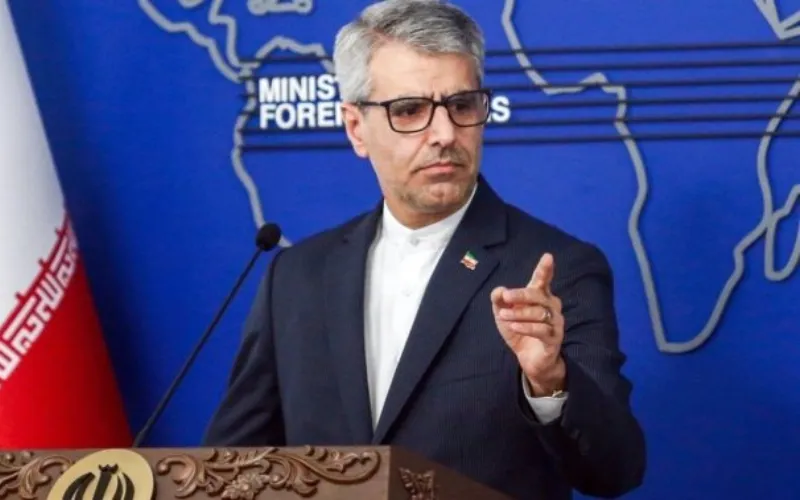
Iran’s Foreign Ministry also criticised the strikes, calling them “aggressive attacks” that violated Iraq’s national sovereignty and territorial integrity.
Iraq’s presidency condemned the targeting of PMF facilities, stating that it rejected all attacks on Iraqi territory while also opposing the use of Iraq as a base for launching attacks against neighbouring countries.
Iraqi Prime Minister Ali al-Zaidi called an emergency meeting of the Ministerial Council for National Security following the strikes to discuss the situation.
The role of the Popular Mobilisation Forces has remained a major point of tension between Iraq’s government, the United States and regional countries. Under Iraqi law, the PMF is part of the country’s security forces and reports to the prime minister, who serves as commander-in-chief.
However, previous Iraqi governments have struggled to control some armed factions within the PMF, which have been accused of carrying out attacks against US diplomatic facilities and military bases in Iraq without government approval.
The strikes represent the first major US military action in the Middle East since President Donald Trump suspended a 13-day bombing campaign last Friday.
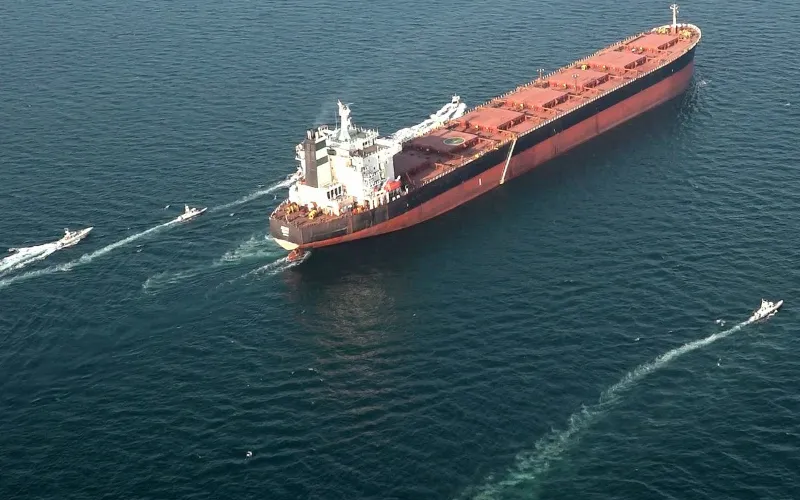
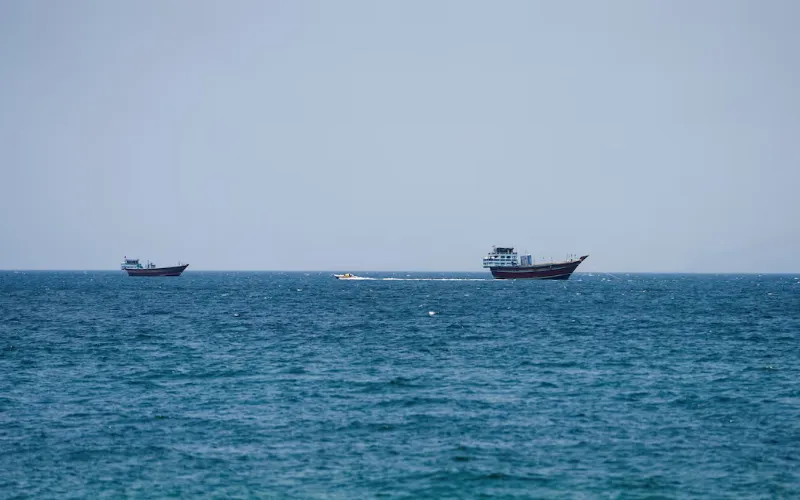
Meanwhile, Saudi Arabia is reportedly preparing to announce a multinational military coalition aimed at protecting shipping routes in the Red Sea and the Bab el-Mandeb Strait. According to diplomatic sources and a US official cited by Al-Monitor, the initiative is intended to counter Iran-backed groups that could threaten freedom of navigation in the strategic waterway.
The proposed coalition could include around 50 countries, including the United States, Pakistan, Egypt and Turkey, with participating nations expected to confirm their involvement.
The latest strikes have increased tensions between Iran-aligned groups and the US-Saudi alliance, raising concerns over further military escalation in Iraq and the wider Middle East. Iraqi officials are now facing renewed pressure to balance national sovereignty with efforts to prevent their territory from becoming a battleground for regional conflicts.