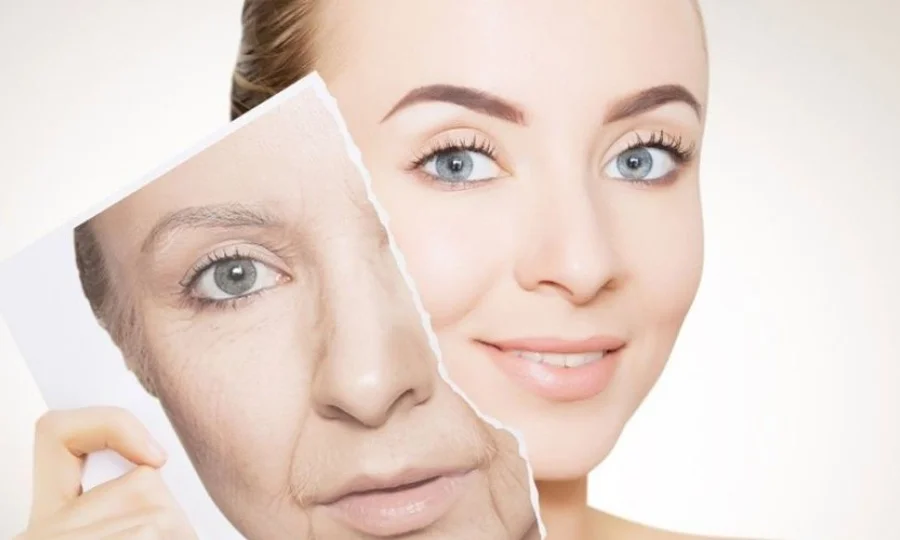
Before scheduling that consultation or committing to a procedure that promises to turn back the clock, take a moment for an honest conversation with yourself about what gracefully aging truly means to you.
As people live longer and prioritize wellness, the demand for effective anti-aging skincare is higher than ever. Experts say that while natural aging leads to thinner, drier, and less elastic skin—often showing wrinkles, spots, and sagging smart skincare habits can significantly slow the process.
Daily sunscreen, moisturizers, and gentle cleansers remain essential, while lifestyle choices like avoiding smoking and boosting antioxidants make a measurable difference. Now, a wave of advanced treatments is offering even greater improvement for stubborn signs of aging, from dark spots to deep-set wrinkles.
Watching your face change over the years can stir up complicated emotions. Even though we’re often told that beauty runs deeper than skin, the arrival of fine lines and wrinkles can trigger sadness, frustration, or even grief.
“When we look in the mirror, we confront ourselves,” says psychologist and registered dietitian Ellen Albertson, who works closely with women over 50 experiencing appearance and body changes. “You may be confronting the fact that you’re not happy with your appearance.”
That confrontation can take a real emotional toll. After all, your appearance is often your first introduction to the world one way you communicate identity, confidence, and personality. And while looks aren’t everything, feeling disconnected from your reflection can influence your mood, self-esteem, motivation, and even your desire to socialize.
Cosmetic procedures can offer a sense of control, a way to soften the visible effects of aging. But they also raise an important question: How do you know when enough is enough?
Albertson cautions against dismissing the emotional weight of aging.
“All feelings give you information,” she says. “It’s a good opportunity to think deeper about what’s bothering you. When we stuff our emotions down, they do not go away.”
And beyond personal emotions, there are broader cultural and social pressures around aging that often go unaddressed pressures that place the responsibility on individuals to “keep their chin up” in a society that often values youthfulness.
Get Familiar with Common Cosmetic Options:
If you’re exploring ways to soften the visible signs of aging, understanding your options is a crucial first step.
According to the American Society of Plastic Surgeons, popular cosmetic procedures include:
Facelifts
Chin augmentation
Botulinum toxin type A (Botox)
Injectable fillers and collagen
Laser skin resurfacing
Surgical procedures like facelifts and chin augmentation involve more recovery time. Minimally invasive options such as Botox, fillers, or laser treatments typically require less downtime but more routine maintenance.
Regardless of the method, the promise is similar: rejuvenation. But “youthful skin” means something different for everyone and no procedure can stop aging entirely.
“There are treatments that can reverse sun damage and slow some aspects of aging by boosting collagen and elastin,” says board-certified dermatologist Dr. Roberta del Campo. “However, nothing can overpower what our DNA does, which is age over time.”
And minimally invasive doesn’t mean one-and-done.
“Many of these treatments require regular follow-ups for consistent results,” says cosmetic dermatologist Dr. Michele Green.
Before beginning any treatment, honest communication with a qualified professional is essential. Aging looks different for everyone, and realistic expectations will guide better decision-making.
Bringing photos of desired outcomes can be helpful — within reason.
“This can be helpful only if the patient understands that there is no guarantee that a surgeon can make them look like somebody else,” says plastic surgeon Dr. Alexander Zuriarrain.
Weigh the Pros and Cons:
After consulting with an expert, take time to reflect. Many people ultimately decide against or delay cosmetic procedures for reasons such as:
Cost:
Time commitment
Potential side effects (e.g., bruising, swelling)
Dissatisfaction with previous results
Preference for less invasive treatments
A desire to age naturally
Prices vary by location and practitioner. As a point of reference, del Campo notes that Botox averages around $800 per session, lasts about 10 minutes, and typically requires maintenance every three months.
Know Your ‘Why’
Before committing, ask yourself:
Why do want this procedure?
Seeking change for myself or because of societal pressure?
How do expect to feel afterward?
Chasing a version of myself that may not be attainable?
Yes, what’s on the inside matters. But how you feel when you look in the mirror matters, too. Appearance can influence emotional well-being — not because it defines you, but because it connects to how you see and express yourself.
Cosmetic procedures can be empowering when approached with clarity and self-compassion. The goal isn’t perfection; it’s feeling more at home in your own skin.