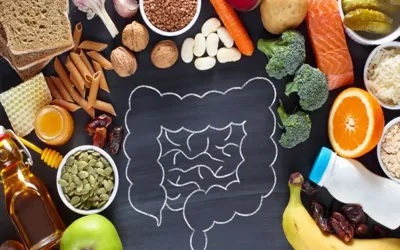
Maintaining a healthy lifestyle starts with good nutrition. Eating the right foods not only fuels your body but also boosts your energy, immunity, and mental well-being. Here are essential nutrition tips to help you achieve everyday wellness.
1. Prioritize Balanced Meals
A balanced meal contains the right mix of carbohydrates, proteins, and healthy fats. Carbohydrates provide energy, proteins build and repair tissues, and fats support brain function and hormone production. Include whole grains, lean meats, legumes, nuts, seeds, and healthy oils in your diet to maintain a balanced intake.
2. Include More Fruits and Vegetables
Fruits and vegetables are packed with vitamins, minerals, fiber, and antioxidants, which help protect your body from chronic diseases. Aim to fill half your plate with colorful fruits and vegetables at each meal. Fresh, seasonal produce is best, but frozen options are also nutritious and convenient.
3. Stay Hydrated
Water is essential for digestion, nutrient absorption, and overall cellular function. Drinking 6–8 glasses of water daily is recommended, though needs may vary based on activity levels and climate. Herbal teas and water-rich fruits like watermelon and cucumber can also contribute to hydration.
4. Limit Processed and Sugary Foods
Processed foods, sugary drinks, and excessive snacks can lead to weight gain and other health issues. Read labels carefully and avoid foods high in added sugars, trans fats, and sodium. Focus on natural, minimally processed foods to support long-term wellness.
Read more: Easy ways to improve heart health at home
5. Don’t Skip Breakfast
Breakfast is often called the most important meal of the day. Eating a nutritious breakfast kickstarts your metabolism and improves focus throughout the morning. Include protein, fiber, and healthy fats, such as eggs with whole-grain toast and avocado, or yogurt with fruits and nuts.
6. Practice Portion Control
Even healthy foods can contribute to weight gain if consumed in large quantities. Pay attention to portion sizes and listen to your body’s hunger cues. Smaller, frequent meals throughout the day can help maintain energy levels and prevent overeating.
7. Include Healthy Snacks
Smart snacking can prevent energy dips and reduce cravings. Choose nuts, seeds, fruits, yogurt, or hummus with vegetables over chips, cookies, or fried snacks. These options provide nutrients while keeping you full between meals.
8. Be Mindful of Your Eating Habits
Mindful eating helps you develop a healthier relationship with food. Eat slowly, savor each bite, and avoid distractions like phones or TV during meals. This practice can improve digestion and prevent overeating.
9. Plan and Prep Your Meals
Planning meals in advance ensures you make healthier choices and avoid last-minute unhealthy options. Batch cooking, meal prepping, and keeping healthy snacks handy make it easier to stick to a nutritious diet even with a busy lifestyle.
Read more: Five best nail shapes to complement your ring style
Everyday wellness starts with mindful nutrition. By prioritizing balanced meals, staying hydrated, including more fruits and vegetables, and practicing portion control, you can enhance your energy, immunity, and overall health. Small, consistent changes to your diet today can lead to lasting benefits for a healthier tomorrow.