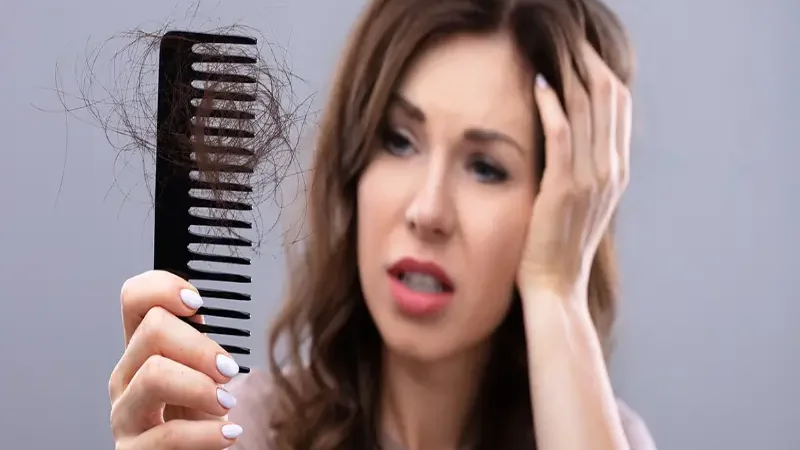
Hair thinning is a natural part of aging, and men are generally more likely to experience baldness than women. However, certain lifestyle factors and medical conditions can lead to premature hair loss. One of the most common causes identified by health experts is chronic stress.
In many cases, stress-related hair loss is temporary. Once stress levels decrease, hair growth may return to normal. However, if stress continues for a long period, the damage may become more persistent and can eventually lead to visible baldness.
Stress refers to any mental, emotional, or physical pressure that disrupts the body’s normal balance. While short-term stress is a common part of daily life, long-term or severe stress can have harmful effects on both the body and the brain.
Researchers have increasingly linked chronic stress to hair loss. A 2021 study conducted on mice revealed a biological mechanism behind this connection. The study found that when the body produces high levels of the stress hormone cortisol, the activity of hair follicles slows down or stops altogether.
When hair follicles become inactive, new hair stops growing while existing strands continue to shed. As a result, people may notice thinning hair or bald patches over time.
Long-term stress can also overactivated the immune system, which may further increase the risk of hair loss. In some cases, this condition can lead to patchy hair loss, particularly on the scalp.
This condition is medically known as Alopecia Areata, where the immune system mistakenly attacks hair follicles, causing hair to fall out in specific areas.
Experts say managing stress through healthy lifestyle habits, such as regular exercise, adequate sleep, relaxation techniques, and a balanced diet can help reduce the risk of stress-related hair loss. While aging cannot be prevented, controlling stress may help maintain healthier hair for a longer period.