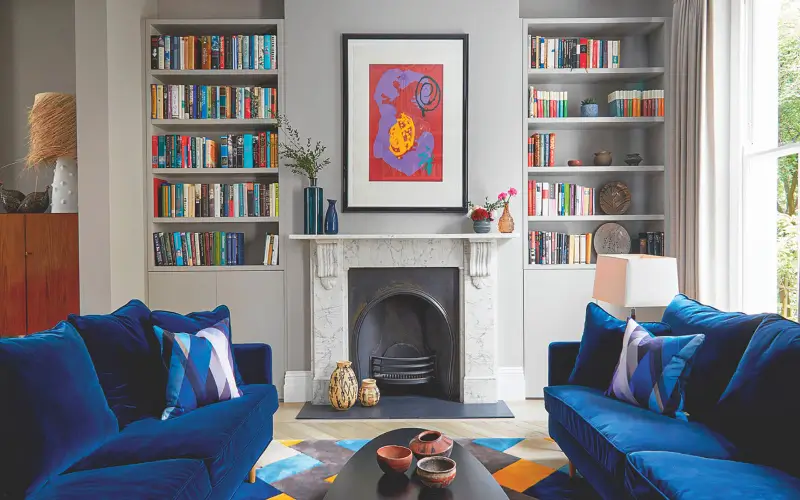
Your home is more than just a place to live. It is the environment where you relax, recharge, and spend a significant part of your life. The way your home looks, feels, and functions can have a powerful impact on your mood, emotions, and overall mental well-being. From lighting and colors to organization and noise levels, every element of your living space plays a role in shaping how you feel.
The Impact of Lighting
Lighting has a direct effect on mood and energy levels. Natural light helps regulate sleep patterns and boosts serotonin, a hormone linked to happiness. Homes with ample sunlight often feel more uplifting and energizing. On the other hand, dim or harsh lighting can contribute to feelings of fatigue or low mood. Using warm-toned lights and allowing natural light to flow in can create a more calming atmosphere.
Colors and Emotional Response
Colors influence emotions more than many people realize. Soft, neutral shades such as beige, white, or pastel tones can create a sense of calm and openness. Blues and greens are often associated with relaxation, while brighter colors like yellow can promote positivity and creativity. Overly dark or intense colors, if not balanced, may feel heavy or overwhelming.
Clutter and Mental Stress
A cluttered home can lead to a cluttered mind. Excess belongings and disorganization often increase stress and anxiety, making it difficult to relax. Keeping your space tidy and organized can help improve focus, create a sense of control, and promote mental clarity. Even small decluttering efforts can have a noticeable positive effect on mood.
Read more: Here’s how to make famous Iranian tea at home
Comfort and Personalization
A home that reflects your personality feels more comforting and emotionally supportive. Personal touches such as photographs, artwork, and meaningful objects can create a sense of belonging and happiness. Comfortable furniture, cozy textures, and familiar scents also help make a space feel safe and inviting.
Noise and Peace
Constant noise or lack of quiet can contribute to irritability and stress. Creating peaceful zones within your home using soft furnishings, curtains, or calming background sounds can help reduce noise and improve relaxation. A quieter environment supports better sleep and emotional balance.
Connection to Nature
Bringing elements of nature indoors can have a calming effect. Indoor plants, natural materials like wood, and views of greenery help reduce stress and improve mood. Even small changes, such as placing a plant near a window, can create a more soothing environment.
Cleanliness and Freshness
A clean home often feels more refreshing and mentally uplifting. Fresh air, pleasant scents, and cleanliness can improve concentration and promote a positive mindset. Regular cleaning and ventilation help maintain a healthier and more comfortable living space.
Read more: How to manage stress in a fast-paced world
Your home environment plays a significant role in shaping your mood and mental well-being. By making thoughtful changes, such as improving lighting, reducing clutter, and adding personal and natural elements. You can create a space that supports relaxation, happiness, and emotional balance. A well-designed home doesn’t have to be perfect; it simply needs to make you feel at ease.