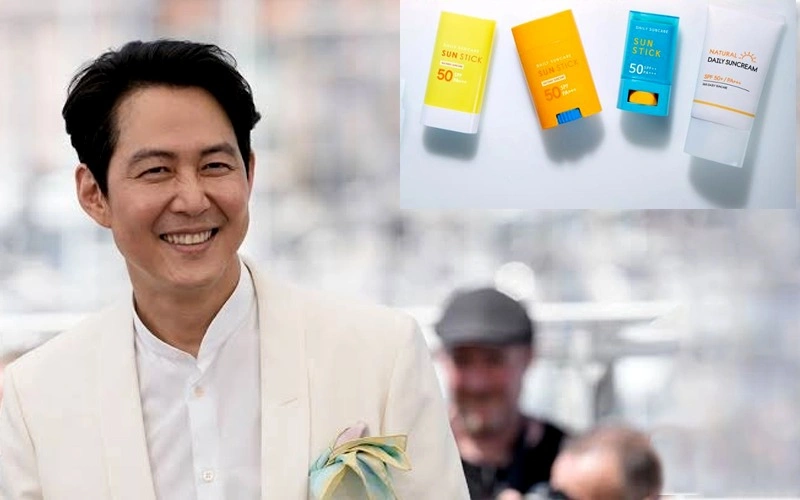
SEOUL: Even in a rush, Lee Jung-jae is not willing to skip one step: sunscreen. The actor recently revealed that he is still recovering from an undisclosed skin condition and has made sun protection a regular part of his routine.
Lee shared the detail in a recent video posted on his agency Artist Company’s YouTube channel. In the video, he had just finished showering at a hotel when a camera approached him as he prepared for a scheduled engagement.
“I haven’t even properly dried my hair yet,” Lee said as he hurried to get ready. But before heading out, he stopped to apply sunscreen.
“I still have to go out, so I need to put on sunscreen,” Lee said, explaining that his skin had not completely recovered and was still healing.
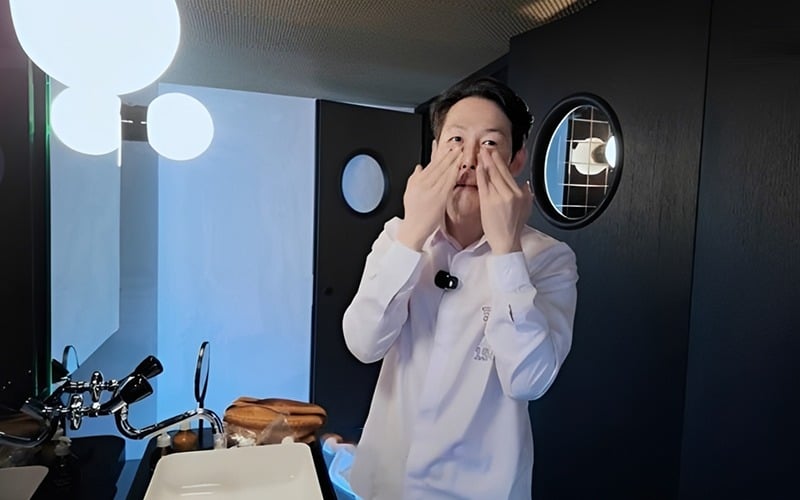
Lee said he worries that sun exposure could lead to dark spots. He also reflected on his younger years, when he did not regularly use sunscreen.
“I didn’t use sunscreen when I was younger, but little by little, I started noticing spots,” he said. “They bothered me more than I expected.”
Lee said he now tries to apply sunscreen whenever possible and acknowledged that he regrets not making it part of his routine earlier.
Lee has not disclosed the specific skin condition he is experiencing. However, ultraviolet radiation can worsen certain skin conditions and contribute to inflammation, pigmentation and long-term skin damage.
UV exposure can aggravate some conditions
The American Academy of Dermatology says sunlight can worsen rosacea, which can cause facial redness and visible blood vessels. UV exposure can also aggravate some forms of cutaneous lupus by triggering new rashes or worsening existing symptoms.
For people whose skin is sensitive to sunlight, the academy recommends a broad-spectrum sunscreen with an SPF of at least 30.
Sun exposure can also intensify inflammation in already irritated skin. That inflammation may stimulate melanin production, increasing the risk of post-inflammatory hyperpigmentation, which can leave dark patches after the skin heals.
Sun damage builds over time
UV damage accumulates gradually rather than appearing only when visible signs of aging emerge. Repeated exposure can contribute to pigmentation, wrinkles and loss of skin elasticity.
A randomized study of 903 adults in Australia found that participants who used sunscreen daily experienced 24% less progression of skin aging over about 4½ years than those who used it only when needed.
UV radiation can damage collagen and elastic fibers beneath the skin, contributing to photoaging. Regular sunscreen use is therefore considered a preventive measure that can help reduce future damage rather than a treatment for existing dark spots.
Choosing the right sunscreen
Dermatologists generally recommend a broad-spectrum sunscreen with an SPF of 30 or higher. SPF measures protection against UVB radiation, while UVA protection is important for reducing photoaging and pigmentation.
People with sensitive skin may prefer fragrance-free products. Mineral sunscreens containing zinc oxide or titanium dioxide may also be less irritating for some users.
For those concerned about pigmentation, tinted sunscreens containing iron oxides may provide additional protection against visible light, which can contribute to some forms of hyperpigmentation.
Lee’s comments offer a personal reminder that sun protection is not only about appearance but can also be an important part of caring for skin that is still recovering.