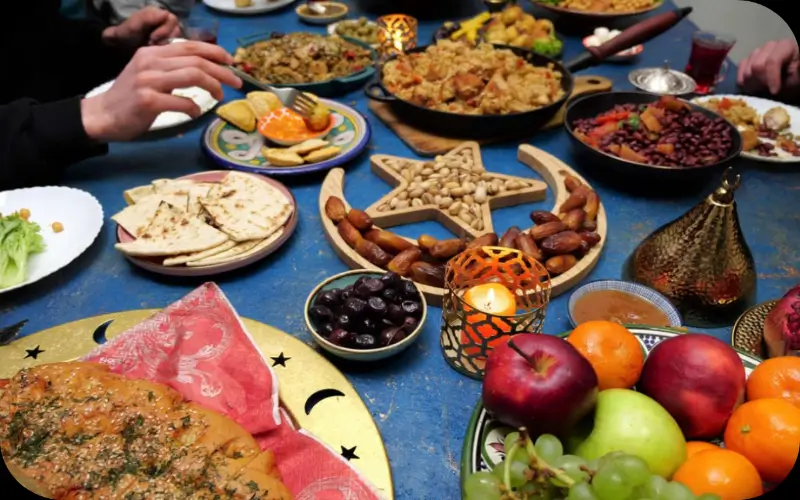
Ramzan is a month of spiritual reflection, fasting, and self-discipline, but it can also challenge our usual eating habits. Fasting from dawn to sunset changes meal patterns, which can affect energy levels, digestion, and overall health. Proper meal planning is essential to ensure balanced nutrition, maintain energy throughout the day, and support overall well-being during this holy month.
Suhoor is the most important meal of the day, as it provides energy for the long fasting hours ahead. A balanced suhoor should include complex carbohydrates, proteins, healthy fats, and plenty of fluids. Whole grains, oats, eggs, yogurt, nuts, and fresh fruits are excellent choices because they release energy slowly, keeping you full for longer.
Avoiding excessive sugary foods is crucial, as they can cause a rapid spike and then drop in blood sugar, leaving you fatigued during fasting hours. Drinking water and hydrating fluids at suhoor is also vital to prevent dehydration.
Iftar is the meal to replenish energy and nutrients lost during fasting. Traditionally, dates and water are used to break the fast, which provides instant energy and helps regulate blood sugar levels. Following this with a balanced meal that includes lean proteins like chicken, fish, or legumes, along with whole grains and plenty of vegetables, ensures you get essential vitamins and minerals.
Avoid deep-fried and overly oily foods, as they can cause digestive issues and make you feel lethargic. Including a small portion of healthy fats such as avocado, nuts, or olive oil can support satiety and provide long-lasting energy.
Between Iftar and Suhoor, healthy snacks and proper hydration are essential. Fruits, smoothies, nuts, and low-fat dairy products make excellent snack options, keeping energy levels stable and preventing overeating during main meals. Drinking enough water throughout the non-fasting hours helps maintain hydration, which is especially important in hot climates or long fasting periods. Herbal teas and coconut water can also support electrolyte balance and promote digestion.
Thoughtful meal planning during Ramzan is key to maintaining energy, focus, and overall health. A well-balanced suhoor and iftar, combined with nutrient-rich snacks and adequate hydration, can help prevent fatigue, support digestion, and provide essential nutrients.
By choosing wholesome, minimally processed foods and avoiding excessive sugar and fried items, you can enjoy the spiritual benefits of fasting while keeping your body nourished and energized. With consistent planning and mindful eating, Ramzan can be a month of both spiritual growth and physical well-being.