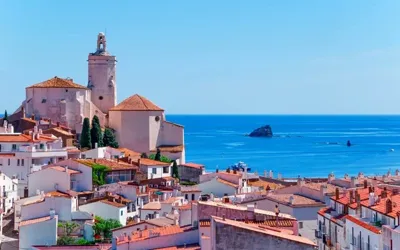
When it comes to royal retreats, we often think of Beijing or Spain but Thailand’s Klai Kangwon Palace in Hua Hin offers its own regal charm, complete with a refined culinary tradition still alive today.
Built as a summer escape for King Rama VII and later used by King Bhumibol Adulyadej, the palace transformed Hua Hin from a sleepy fishing village into a seaside getaway with a royal pedigree.
Hua Hin’s royal heritage began in the 1920s. Prince Purachatra, director of the state railway system, established the iconic Railway Hotel, while Prince Krom Phra Naresworarit gave the nearby beach its name, Hua Hin.
The town’s prominence was cemented when King Rama VII built Klai Kangwon Palace, meaning “far from worries,” as a summer retreat. Later, King Bhumibol Adulyadej made it one of his primary residences, transforming a quiet fishing village into the distinguished seaside escape known today.
This royal legacy extends beyond architecture and history it lives on in the town’s cuisine. The term “palace cuisine” refers not to a fixed menu but to a refined culinary tradition once served to the royal court. It is defined by intricate presentation, subtle yet complex flavors, and meticulous preparation using only the finest ingredients, in contrast to the bold spiciness often found in Thai street food.
At Pribpri, the restaurant inside Devasom Hua Hin Resort, this culinary heritage is celebrated. Drawing from archival texts, local cookbooks, and the expertise of master chefs and families who have preserved these recipes for generations, Pribpri’s menu showcases dishes inspired by the royal court and the local region of Phetchaburi.
Among the Highlights:
Miang Kham: A betel leaf snack filled with roasted coconut, peanuts, lime, ginger, shallots, dried shrimp, and chillies, topped with a sweet-savory sauce. Its balance of sweet, sour, salty, and spicy flavors makes it a festival favorite.

Choo Chee Pla: Fish in a rich, red coconut milk curry, showcasing delicate flavors without overwhelming heat.

Hor Mok: A Thai steamed fish custard cooked in banana leaves, blending fish, coconut milk, red curry paste, and eggs.

Massaman Neua: A Persian-influenced beef curry; at Pribpri, Angus beef is paired with coconut curry seasoned with cardamom, cinnamon, and cumin for a complex, aromatic dish.

Khao Chae: The quintessential summer dish, featuring jasmine-scented iced rice with an array of savory sides shrimp paste balls, sweet fried fish, stuffed green peppers, pork floss, and stir-fried preserved radish in coconut milk. Chef Thitid “Ton” Tassanakajohn emphasizes the importance of properly infusing the rice water with floating jasmine petals to achieve the dish’s signature elegance.
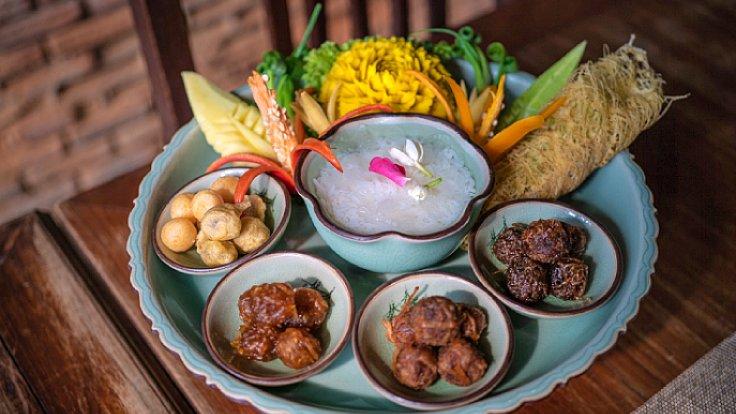
While some of these dishes exist outside Hua Hin, dining on palace-inspired cuisine near the royal summer retreat adds a unique sense of place. Khao chae, in particular, reflects not only Phetchaburi’s heritage but also the spirit of Devasom Hua Hin, where it has been served daily for over 15 years despite traditionally being a seasonal dish.
Royal Thai cuisine is more than a meal it’s a living tribute to Thailand’s history, culture, and artistry, a rare culinary experience that allows diners to taste a slice of regal life while enjoying the serene beauty of Hua Hin.