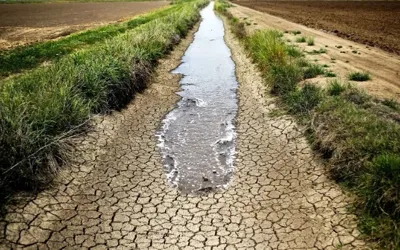
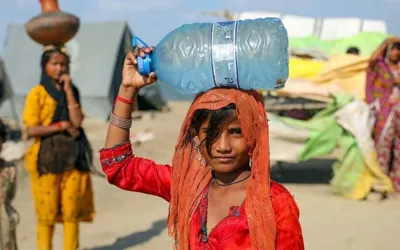
ISLAMABAD: According to the Asian Development Bank’s (ADB) Water Development Outlook report, 80% of Pakistan’s population does not have access to clean drinking water.
The report highlights that Pakistan will need between $3.5 billion and $4.2 billion over the next decade to improve water governance.
Due to population growth, per capita water availability has decreased by 2,400 cubic meters, dropping from 3,500 cubic meters in 1972 to 1,100 cubic meters per person by 2030. The lack of safe drinking water is contributing to the rapid spread of diseases.
ADB further notes that excessive water use in agriculture is causing depletion and pollution, while challenges in water flow and infrastructure put Pakistan’s river systems at risk.
Rural water supply remains inefficient, and monitoring mechanisms are weak. Policies for water availability and safe water provision are not aligned with demand, affecting agriculture, industry, and the energy sector.
Urban areas face a nearly 10% annual increase in water demand, compounded by untreated water and urban flooding, threatening public health and essential services. The report also points to aging urban water infrastructure, minimal private investment, and environmental risks from population growth and urban sprawl.
While Pakistan has made progress in developing a water governance framework, funding for an improved water system remains insufficient. Urban water losses are high, tariff recovery is low, and billing systems are inadequate.
The ADB emphasizes that large infrastructure projects, institutional partnerships, technical capacity building, and financial planning are crucial to enhancing water security. According to current exchange rates, Pakistan would need to invest approximately PKR 12 trillion to upgrade its water systems.
Despite these challenges, the report notes improvements in Pakistan’s water security score over the past 13 years, highlighting gradual progress in water infrastructure development.