WASHINGTON: Deputy Prime Minister and Foreign Minister Ishaq Dar has categorically reaffirmed that there is no change in Pakistan’s longstanding policy on Israel, stating that any consideration of normalization with Israel is not possible unless an independent and sovereign Palestinian state is established.
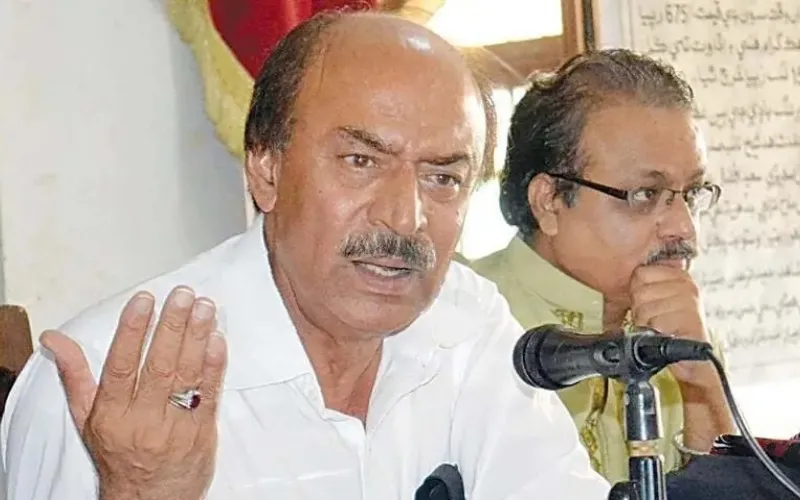
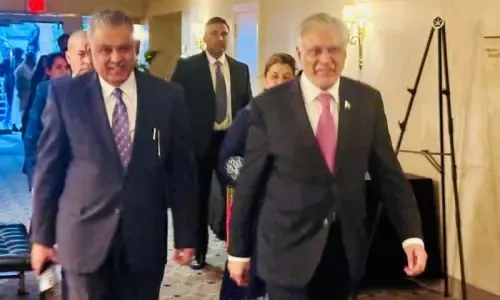
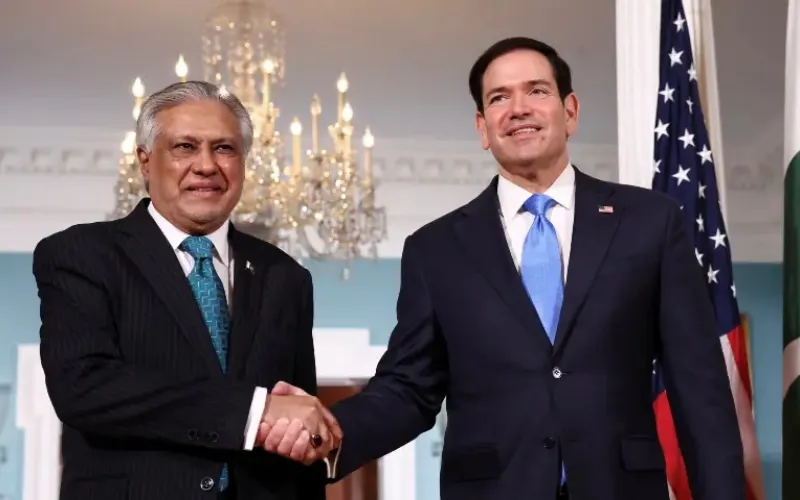
Addressing a press conference at Pakistan’s Embassy in Washington following his meeting with US Secretary of State Marco Rubio, Dar underlined that Pakistan’s position on the Palestinian issue remains “principled, consistent, and unwavering.”
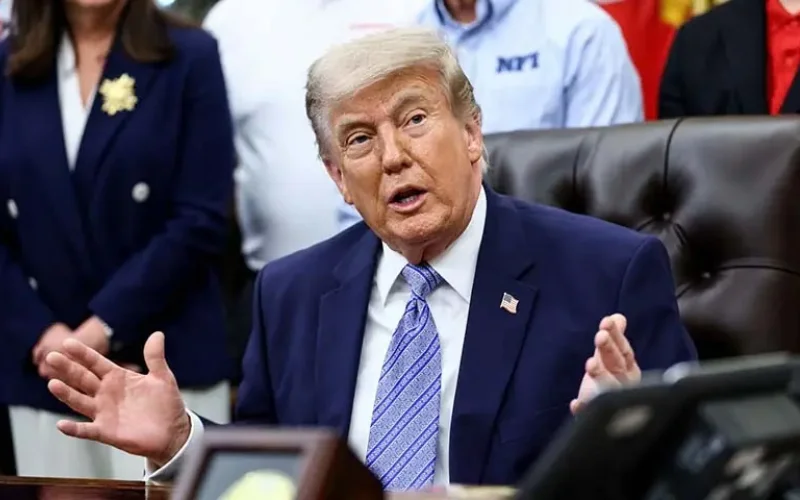
Responding to questions regarding US President Donald Trump’s recent appeal urging several Muslim-majority countries, including Pakistan, to consider joining the Abraham Accords as part of broader Middle East diplomatic efforts, Dar clarified that the issue was not part of his discussions with the US Secretary of State.
He reiterated that Pakistan’s stance on Palestine and Gaza is rooted in international law and long-held diplomatic principles, adding that any meaningful progress toward regional normalisation must be contingent upon the establishment of an independent Palestinian state.
Read More: Ishaq Dar arrives in Washington for key meeting with Marco Rubio
He stressed that Israel must take steps in that direction before any shift in Pakistan’s position could even be contemplated.
The Abraham Accords, initiated in 2020 under the Trump administration, formalised diplomatic relations between Israel and a number of Arab states.
While the agreements were welcomed in some diplomatic circles as a step toward regional stability, they continue to face widespread opposition across much of the Muslim world due to their exclusion of a resolution to the Palestinian question.
Earlier, President Donald Trump had called on several countries, including Saudi Arabia, the United Arab Emirates, Qatar, Pakistan, Turkiye, Egypt, Jordan, and Bahrain, to consider joining the accords as part of ongoing diplomatic efforts linked to regional peace initiatives involving Iran.
Following his meeting with Dar, US Secretary of State Marco Rubio acknowledged Pakistan’s role in supporting diplomatic efforts aimed at de-escalation in the Middle East, expressing appreciation for Islamabad’s continued engagement in promoting regional peace and stability.
Rubio stated that both sides had agreed on the importance of strengthening bilateral cooperation to enhance security, stability, and economic partnership between the two countries.
Briefing the media, Dar described the meeting as cordial and constructive, noting that it was attended by Pakistan’s ambassador along with senior officials from the Foreign Office.
He also highlighted Pakistan’s recent diplomatic engagement in regional affairs, stating that Islamabad had played a facilitative role in encouraging ceasefire understandings between the United States and Iran, and in supporting channels for dialogue aimed at reducing tensions.
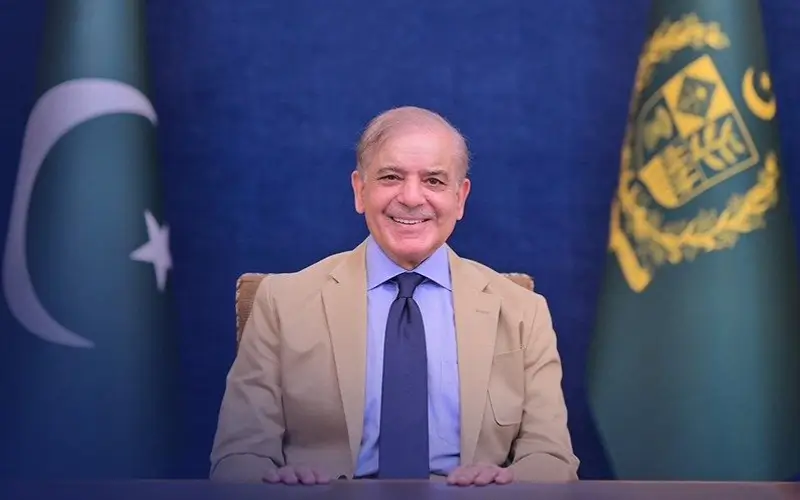
Dar added that Pakistan’s international diplomatic standing has strengthened in recent months, reflecting its active engagement in efforts to promote peace and stability under the leadership of Prime Minister Shehbaz Sharif.
The statement comes amid continued diplomatic activity by Pakistan as it engages with global stakeholders on regional peace, particularly in the context of ongoing tensions in the Middle East.