ISLAMABAD: The federal government is moving forward with a sweeping reform package for the national construction industry, including the creation of a new regulatory board, extended liability periods for public projects, and potential establishment of a dedicated development bank.
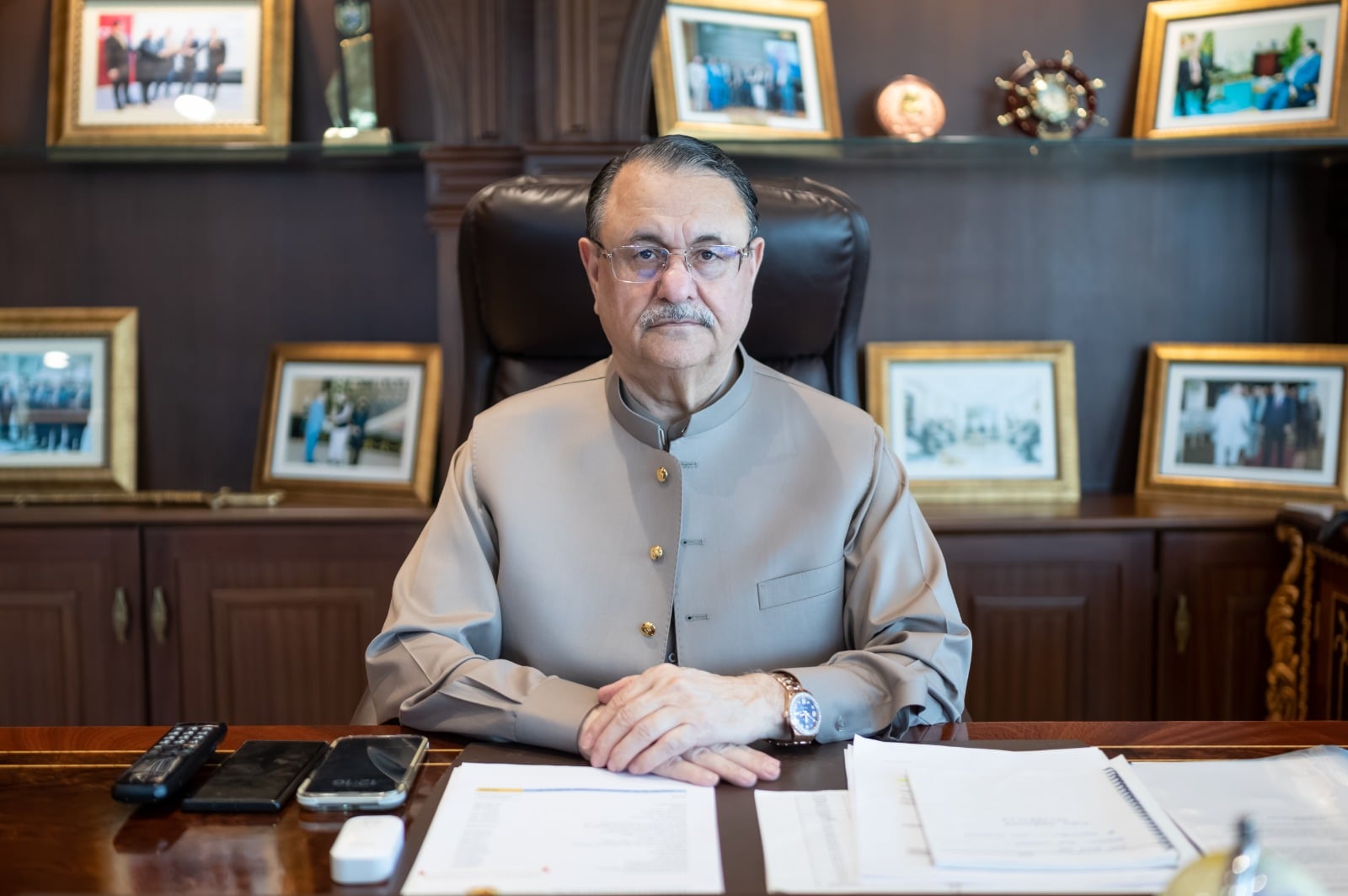
Federal Minister for Economic Affairs and Establishment Division Senator Ahad Khan Cheema chaired a meeting Saturday to oversee regulatory, operational and financial reforms aimed at strengthening the sector and improving national standards.
Attendees included Minister of State for Finance Bilal Azhar Kayani, Federal Secretary for Housing and Works Captain Mahmood (R), the managing director of the Public Procurement Regulatory Authority, and representatives from the Construction Association of Pakistan.
New Board, Tax Incentives and Banking Reforms on Table
As part of a broader vision to revamp the industry, the government is considering a comprehensive construction industry development package that includes the establishment of a Construction Industry Development Board, evaluation of a dedicated Construction Development Bank, rationalization of import and export policies and targeted tax reforms.
Cheema emphasized that the proposed CIDB would play a dual role: overseeing overall sector development while also regulating industry standards, contractors and consultants. Composed of representatives from both the public and private sectors, the board would serve as a unified platform to elevate national standards.
The minister noted that complete alignment exists between the federal government and CAP on the need for the body, adding that the federal government would submit the framework to the prime minister for approval.
The broader development package aims to address financial and policy bottlenecks through tailored tax incentives and aligned import-export policies that encourage adoption of modern technology and build local construction capacity.
In response to CAP representatives’ proposals regarding banking hurdles in securing financial and performance guarantees, as well as their request for a specialized Construction Development Bank, Cheema directed the minister of state for finance to initiate discussions with the State Bank of Pakistan and the Pakistan Banks Association. Any decision on establishing a dedicated CDB would be based on detailed feedback and financial feasibility provided by the SBP and PBA.
Liability Period Extended, Consultants Face New Oversight
Focusing on the long-term durability and structural integrity of public infrastructure, the minister announced that the government would soon extend the standard Defect Liability Period for public development projects from the current one year to three years, with a clear roadmap to further expand it to five years.
“Civil infrastructure must not deteriorate shortly after completion,” Cheema said, asserting that extending the liability period would compel contractors and executing agencies to uphold high quality standards and prevent premature decay.
Addressing critical gaps in accountability, Cheema pointed out that while penalties currently exist for contractors in cases of default or poor performance, no legal framework or penalty mechanism exists for consultants. Under the new CIDB regulatory framework, consultants would be brought under direct oversight, ensuring they are held legally and financially accountable for design flaws or technical errors.
Representatives of CAP fully endorsed the stance, agreeing that establishing regulatory accountability for consultants was essential to ensure design precision and protect public investments.
Cheema reiterated that the principal focus of the government was on ensuring that every public infrastructure project was both cost-effective and highly durable.