THE HAGUE: The Permanent Court of Arbitration has ordered India to uphold the Indus Waters Treaty with Pakistan and suspend work on its hydroelectric projects, a major legal victory for Islamabad in the dispute over the agreement.
The Hague-based tribunal issued the award on the status of the treaty and interim measures concerning India’s Ratle hydro-electric plant, a five-member arbitral panel chaired by Prof. Sean D. Murphy.
The decision comes after India placed the water-sharing accord in abeyance in April 2025, following a deadly attack in occupied Kashmir’s Pahalgam that killed 26 civilians. New Delhi linked the attack to Pakistan without presenting evidence. Islamabad strongly denied the allegations.
Pakistan immediately declared any attempt to suspend its water share an “act of war,” noting the treaty has no provision for unilateral suspension. Islamabad later argued India’s move violated the 1969 Vienna Convention on the Law of Treaties.
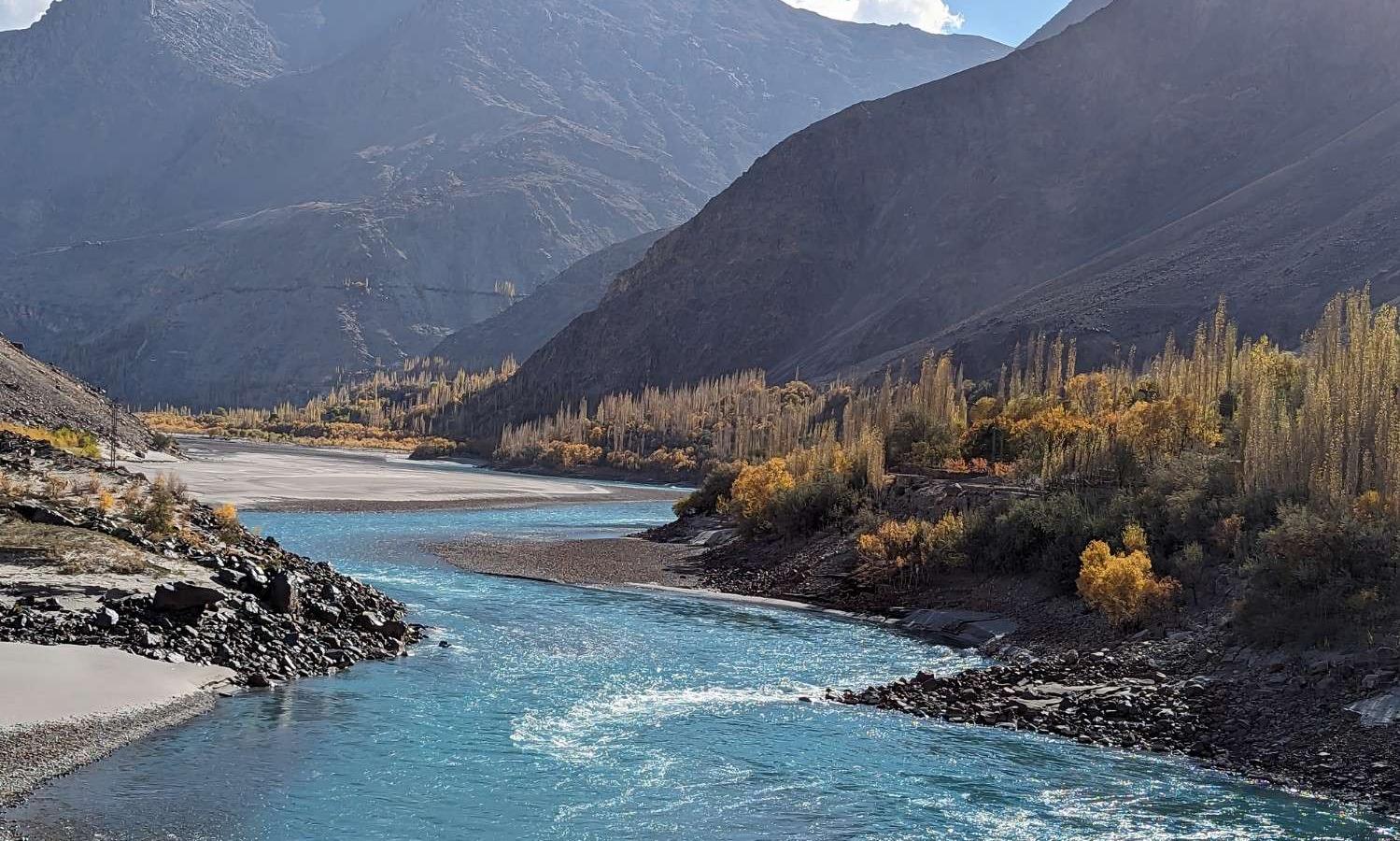
The tribunal’s ruling restricts India’s ability to store or disrupt water flows from the Indus, Jhelum and Chenab rivers, waters vital for Pakistan’s agriculture and economy. The court reaffirmed that the treaty remains in force and that neither party may withdraw or suspend it without mutual consent.
Government of Pakistan expressed “utmost satisfaction” with the award, calling it a strategic consolidation of its treaty position. The court ruled that pondage for run-of-river plants must be justified based on actual project requirements, site hydrology and power-system needs, rather than inflated capacity projections.
The Indus Waters Treaty, signed in 1960 with the World Bank as facilitator, allocated the three eastern rivers to India and the western rivers, the Indus, Jhelum and Chenab, primarily to Pakistan.