LAHORE: India has once again been accused of violating international laws by blocking the flow of the Jhelum and Neelum rivers following similar actions on the Chenab, raising serious concerns over water security in Pakistan.
Sources in the Indus Water Commission said inflows in the Jhelum and Neelum rivers have dropped sharply to just 3,000 cusecs, compared to over 5,000 cusecs recorded four days ago.
The situation on the Chenab is equally alarming, with water flow declining from 10,000 cusecs to 5,000 cusecs during the same period.
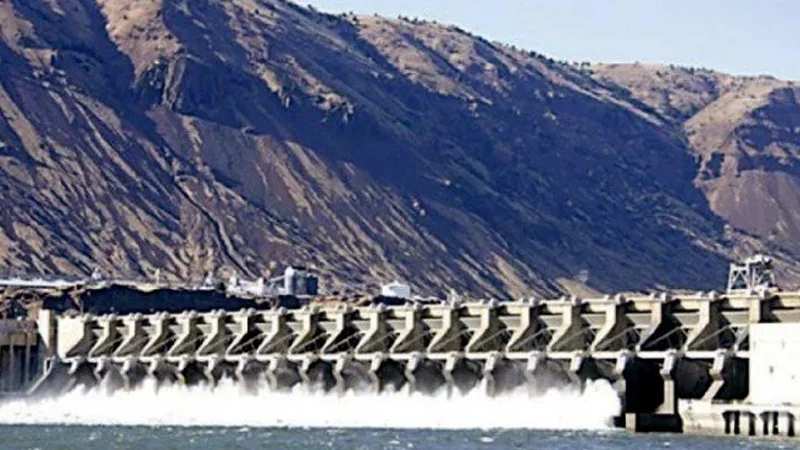
According to officials, water discharge at Head Marala on the Chenab has fallen to zero, marking an unprecedented situation.
The commission termed the blocking of river flows a clear violation of the Indus Waters Treaty, noting that water levels in the Chenab and Jhelum have reached historic lows.
Authorities warned that canals originating from the Qadirabad and Khanki barrages are no longer receiving water, putting millions of acres of agricultural land in Punjab at risk of turning barren.
Water experts have advised the Indus Water Commission to approach the international arbitration court over the matter.
It is pertinent to note that a team of UN special experts has also declared India’s unilateral actions regarding the Indus Waters Treaty as unconstitutional and contrary to the UN Security Council Charter.
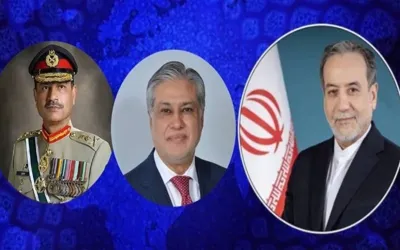
Meanwhile, Deputy Prime Minister and Foreign Minister Ishaq Dar has warned that India’s aggressive water-related actions pose serious threats to peace and stability in South Asia.
Briefing diplomats in Islamabad, Ishaq Dar said India unilaterally suspended the Indus Waters Treaty in April 2025 and released water into the Chenab River without prior notice.
He noted that UN special experts have expressed grave concern over India’s actions and that Pakistan has repeatedly raised the issue at the UN Security Council.
The foreign minister stated that India’s measures violate international law, including Article 26 of the Vienna Convention.
He accused New Delhi of systematically undermining the Indus Waters Treaty, calling its recent actions a clear example of using water as a weapon. He warned that these steps threaten Pakistan’s food security and have the potential to trigger a serious humanitarian crisis.
Ishaq Dar emphasized that the Indus Waters Treaty remains a cornerstone for peace and stability in South Asia.
He reiterated Pakistan’s clear stance that blocking or diverting water would be considered an act of war and stressed that Pakistan would not compromise on its water rights.
He further said India has suspended the sharing of hydrological data and joint monitoring mechanisms, adding that India’s avoidance of dispute resolution mechanisms amounts to a denial of international norms.
He also pointed out that India’s interior minister has publicly announced plans not to restore the treaty and to divert water flows, while UN special procedures continue to express concern over India’s actions.