Inflation during fiscal year 2026 remained broadly manageable due to prudent macroeconomic policies and improved supply conditions, even as supply-side disruptions and renewed external pressures threatened price stability, the government reported in the Economic Survey of Pakistan 2025-26.
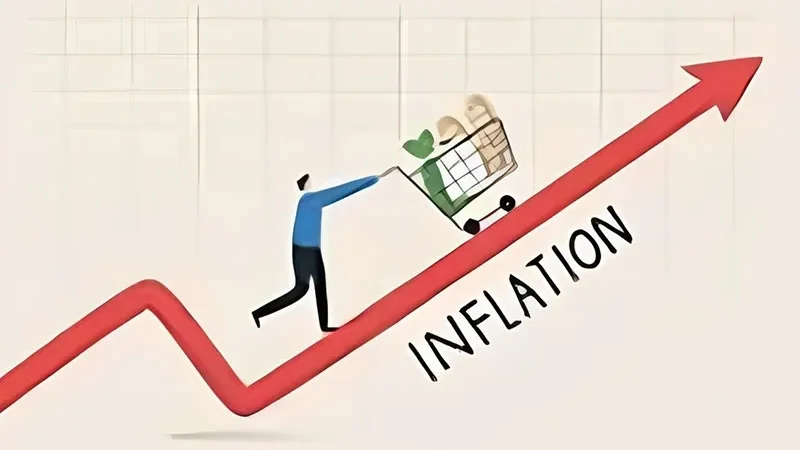
Average consumer price index inflation stood at 6.2% during July-April FY 2026, compared with 4.7% in the same period a year earlier, according to official data. The increase follows an exceptionally low inflation environment in the previous fiscal year.
Officials said strengthened market monitoring, improved availability of essential commodities and close coordination between federal and provincial governments helped contain price pressures and provide relief to vulnerable populations.
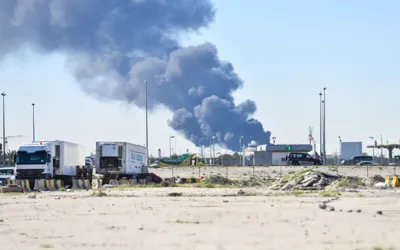
However, the escalation of conflict in the Middle East in February 2026 has intensified global inflationary pressures by disrupting energy supply chains and increasing transportation costs, the government acknowledged.
The crisis has affected regional economic activity and international commodity markets, particularly for energy and food.
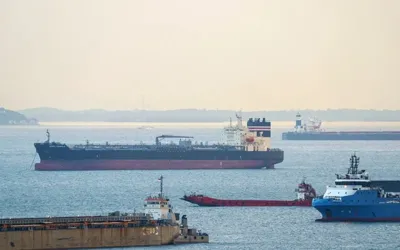
Nearly 25% to 30% of global oil trade and about 20% of liquefied natural gas shipments pass through the Strait of Hormuz, which remains critically important for energy-importing economies in Asia and Europe, officials said.
Supply uncertainties have pushed up global oil and gas prices, raising fuel, electricity and industrial production costs.
According to the IMF World Economic Outlook published in April 2026, energy commodity prices are projected to rise by 19% in 2026, while oil prices are expected to increase by 21.4% to average about $82 per barrel amid supply disruptions.
For Pakistan, a net importer of petroleum products, LNG, edible oil and industrial raw materials, these developments pose significant inflationary and macroeconomic risks.
Higher import costs could widen the trade deficit, increase pressure on the external account and exchange rate stability, and add to fiscal pressures in the energy sector.
In April 2026, year-on-year CPI inflation increased to 10.9%, compared with 0.3% in April 2025. Officials attributed the rise largely to base effects and external cost pass-through in energy-related items rather than broad-based domestic price acceleration.
Core inflation, which excludes food and energy, remained broadly stable, increasing moderately in urban areas from 7.4% to 8.0% while declining in rural areas from 9.0% to 8.5%.
To cushion the impact of higher petroleum prices, the government established the Prime Minister’s Austerity Fund 2026 and introduced across-the-board and targeted subsidy measures in coordination with provincial governments, particularly for two-wheelers, public transport and freight vehicles.
Looking ahead, officials said the inflation outlook will remain influenced by global energy and commodity price movements, geopolitical developments, domestic supply conditions and exchange rate stability.
The government said it remains committed to preserving price stability through timely policy actions, effective market oversight and continued coordination with relevant institutions.