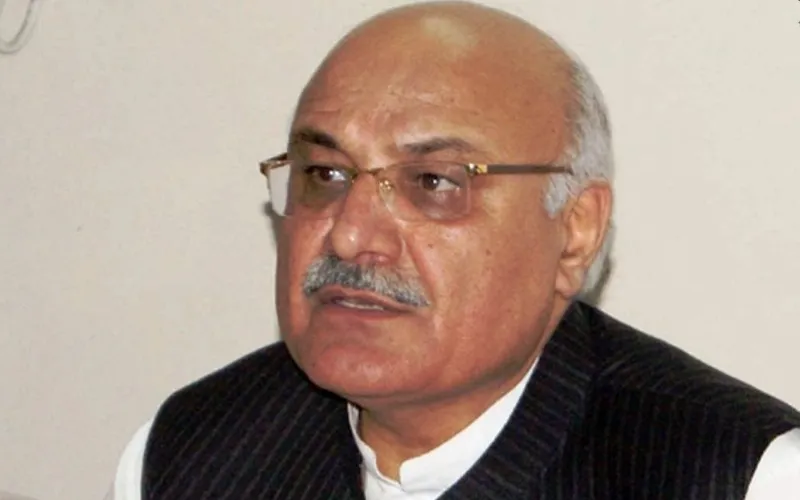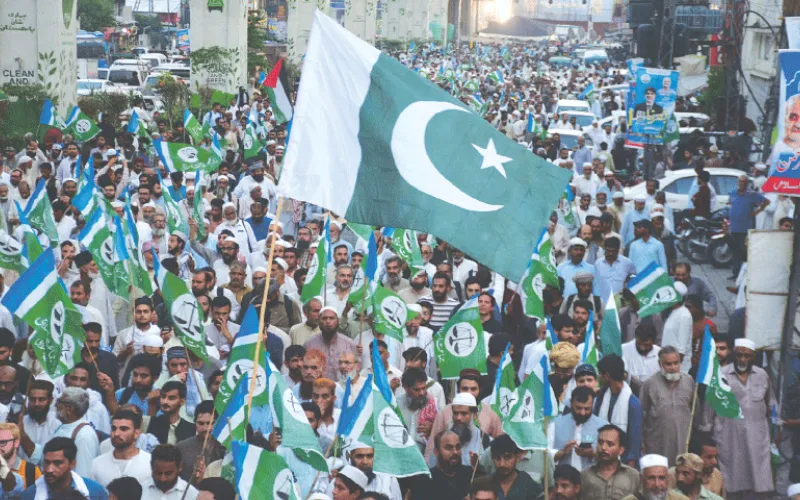
Jamaat-e-Islami Khyber Pakhtunkhwa Central Emir Abdul Wasey has demanded the withdrawal of the petroleum levy and vowed to continue the sit-in outside the Governor House until their demands are accepted.
Addressing the sit-in in Peshawar, Abdul Wasey said Jamaat-e-Islami chief Hafiz Naeem-ur-Rehman would also address the protest.
Abdul Wasey said Khyber Pakhtunkhwa produces three times more electricity than its requirements, yet the province continues to face power shortages.
He alleged that the Pakistan Peoples Party and Pakistan Muslim League-Nawaz were allied and questioned the treatment of Khyber Pakhtunkhwa despite its natural resources.
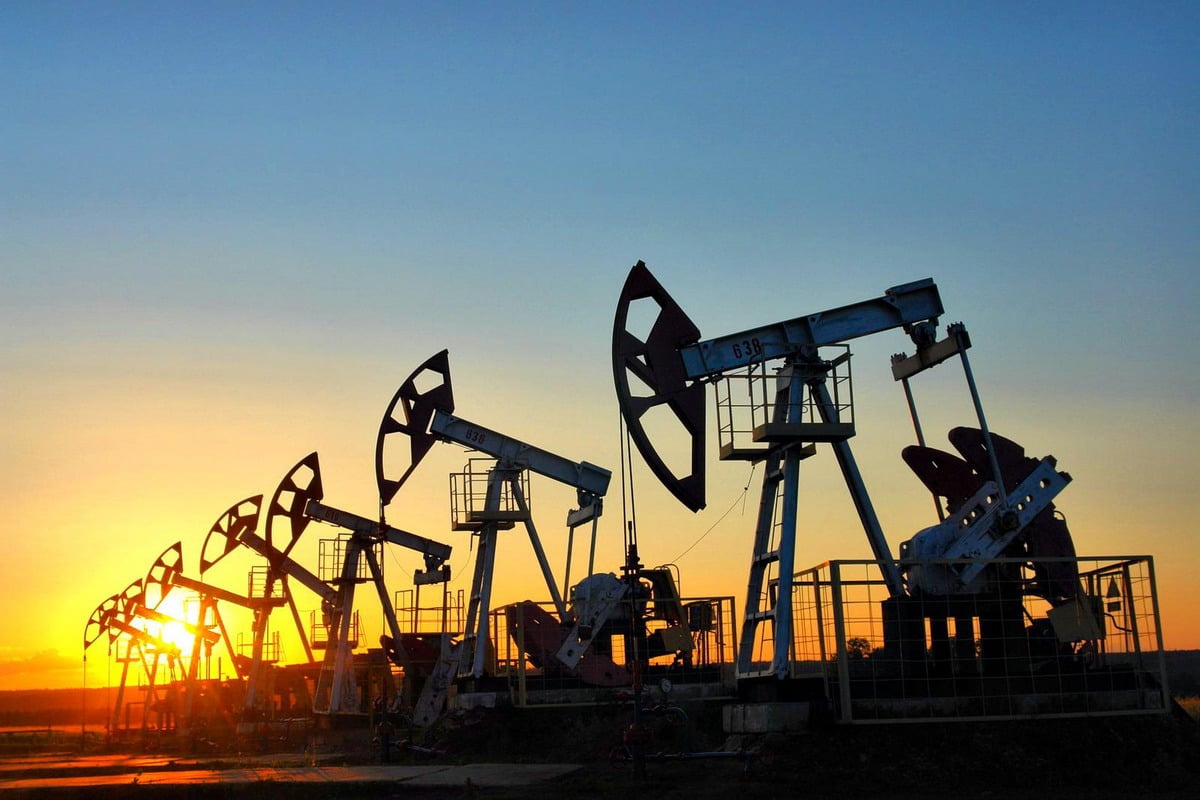
He said precious stones, oil and gas were extracted from the province, but Khyber Pakhtunkhwa still remained in darkness.
Abdul Wasey also raised concerns over drug use among young people, saying youths in the province were being exposed to dangerous drugs such as ice.
He said billions of rupees were collected from Khyber Pakhtunkhwa in tobacco taxes, while farmers were being forced to burn their crops.
He criticized the increase in tax collection targets, saying the public was not receiving relief in return.
Abdul Wasey warned that restrictions on urea would further affect agricultural production, while expensive urea continued to be sold on the black market.
He said violence and oppression were continuing in the southern districts and Tirah and stressed that such treatment would not be accepted.
The Jamaat-e-Islami leader said the closure of border trade had affected the business community and questioned why degrees earned by students from Afghanistan were not being recognized.
He also alleged that goods transporters were subjected to baton charges in Rashakai.
Abdul Wasey said he was not disappointed with the country but questioned why taxes were being imposed mainly on workers and poor people.
He said the party would continue its peaceful resistance to achieve its demands.
He announced that workers from the southern districts, Hazara and Malakand divisions would join the sit-in the following day.