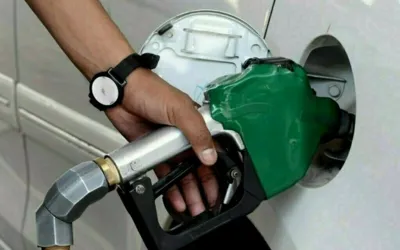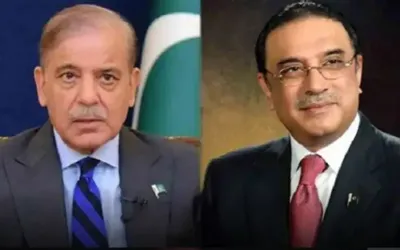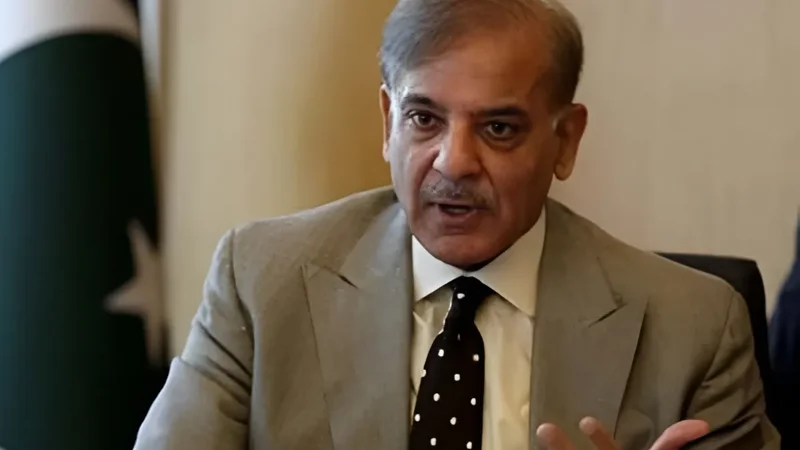
Prime Minister Muhammad Shehbaz Sharif has reaffirmed that Pakistan currently holds adequate reserves of petroleum products to meet domestic demand, attributing the stability to timely and strategic government interventions.
Chairing a high-level review meeting on fuel conservation and austerity measures in the context of evolving regional dynamics, the Prime Minister underscored that safeguarding public relief remains the government’s foremost priority.
He noted that over the past three weeks, all possible efforts had been undertaken to minimise the financial burden on citizens.
To cushion the public from rising global oil prices, the federal government allocated approximately Rs125 billion secured through fiscal adjustments and reductions in development expenditures.
The Prime Minister emphasised that these measures were aimed at insulating the population from the adverse spillover effects of international market volatility.
Highlighting structural reforms he directed provincial administrations to facilitate the registration of motorcycles and rickshaws in the names of their actual owners.
This initiative he said would enable nationwide digitisation of vehicle data and ensure targeted delivery of future relief programmes to eligible beneficiaries.
The Prime Minister further instructed authorities to intensify coordination with Chief Secretaries across all provinces, as well as Azad Jammu and Kashmir and Gilgit-Baltistan, to ensure seamless implementation of policy measures.
During the meeting, participants appealed to the public to actively support the government’s energy conservation drive by avoiding unnecessary travel and promoting the use of teleconferencing in professional settings.
Officials briefed the meeting that petroleum supply, demand, and the entire distribution chain are being closely monitored through an integrated digital dashboard. Additionally, arrangements for fuel imports for the upcoming month of April have already been finalised, ensuring uninterrupted supply.
The briefing also highlighted that, in contrast to several other countries, Pakistan has not experienced fuel shortages, long queues, or administrative disruptions—an outcome attributed to proactive governance and effective policy execution.
Furthermore, the meeting reviewed progress on a proposed fuel support programme for motorcycle riders and rickshaw drivers, including the development of a dedicated digital application to streamline disbursement.
The session was attended via video link by Deputy Prime Minister and Foreign Minister Muhammad Ishaq Dar, alongside key federal ministers, senior government officials, the Governor of the State Bank, and other relevant stakeholders.