ISLAMABAD: Pakistan’s military on Friday ruled out negotiations with militant groups and pushed back against what it called a false narrative of deteriorating security in Balochistan province, according to the armed forces’ top spokesman.
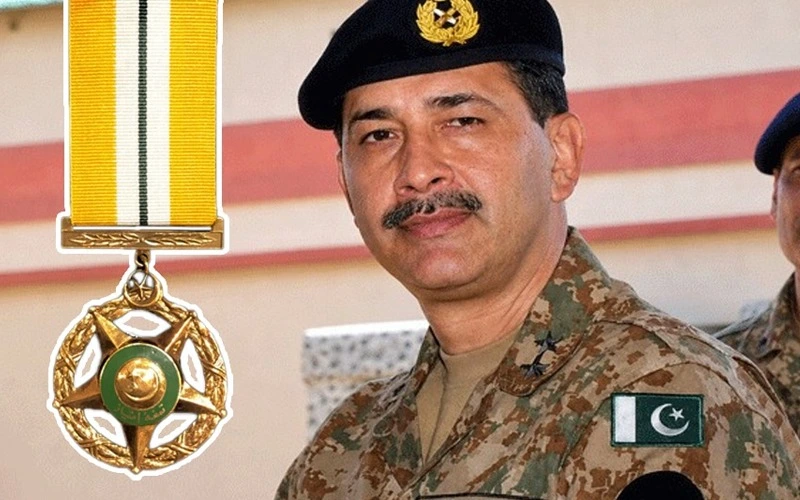
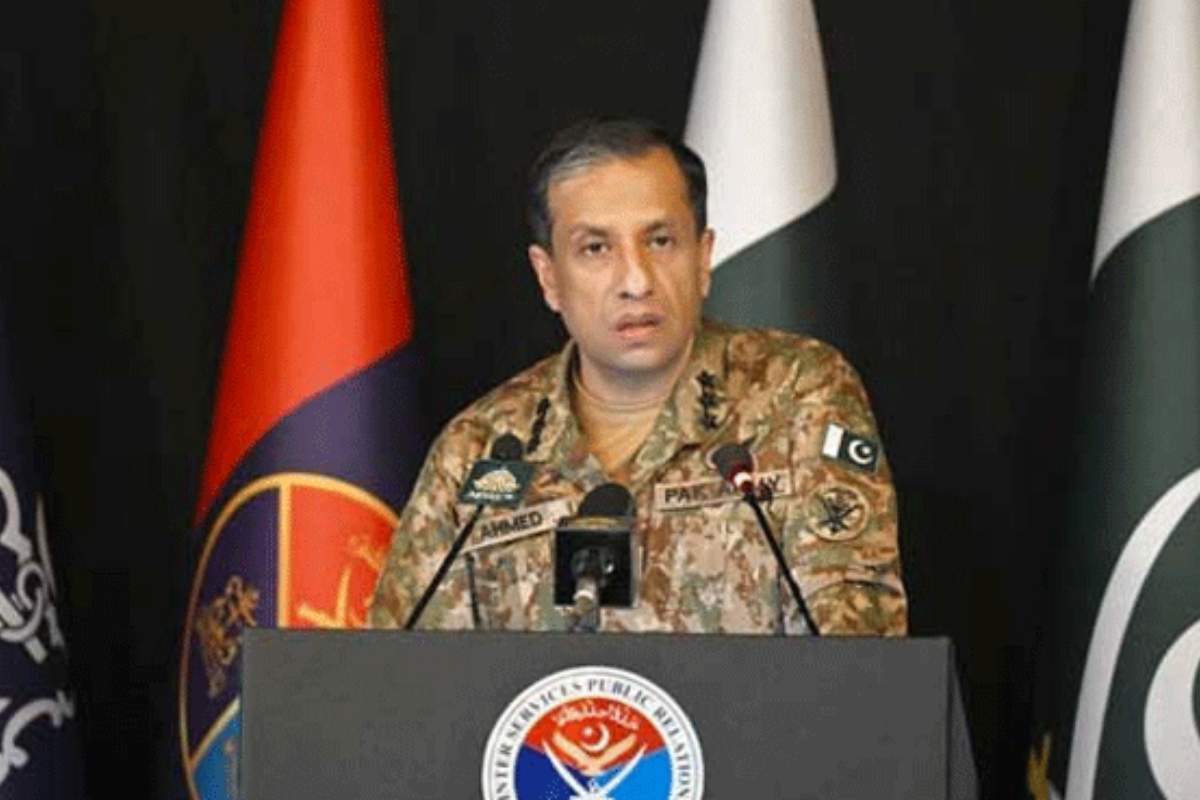
Lt. Gen. Ahmed Sharif Chaudhry, director general of the Inter-Services Public Relations, told reporters at a briefing that some tribal leaders and elites in Balochistan were resistant to progress for children from poor families in the province.
“We will not talk to you; we will talk to the people of Balochistan,” Chaudhry said.
Chaudhry said security forces have carried out 40,348 intelligence-based operations so far this year, a figure that includes actions by police, civil armed forces, intelligence agencies and the military. More than 31,000 of those operations took place in Balochistan, he said, while security forces averaged nearly 200 operations a day nationwide.
He said 3,145 terrorism incidents were recorded across Pakistan in 2026, including 1,971 in Khyber Pakhtunkhwa province, 1,148 in Balochistan and 26 elsewhere.
According to Chaudhry, 2,084 militants have been killed this year, an average of 10 per day, which he described as the highest such rate on record. That figure compares with 2,597 militants killed in all of 2025, he said, noting five months remain in 2026.
Chaudhry said 819 Pakistanis have died in terrorism-related violence so far this year, including 303 army personnel, 194 police and civil armed forces members, and 322 civilians. He said 28 suicide bombings occurred during the year, most of them carried out by Afghan nationals or people linked to Afghan security forces.
He attributed the rise in terrorism incidents partly to the failure of militants’ broader strategy and to what he called the agenda of Afghanistan’s Taliban government, saying militant groups and their backers now understand there is no room for appeasement or negotiation with the Pakistani state.
Addressing perceptions of worsening conditions in Balochistan, Chaudhry argued the province’s problems reflect broader questions about governance across Pakistan, including whether the country functions as what he termed a “hard state” — one in which the constitution and laws apply equally to all citizens, regardless of military or political influence.
He cited Article 5 of Pakistan’s constitution, which states that loyalty to the state and obedience to the law are the basic obligations of every citizen, arguing that citizens must fulfill those obligations before asserting rights.
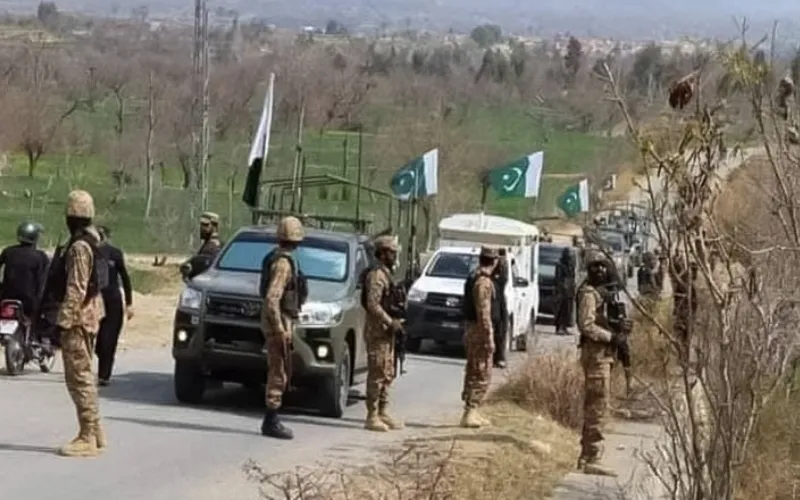
The briefing came as security forces continue counterterrorism operations under the campaign known as Azm-e-Istehkam.
DG ISPR said that Interior Minister Mohsin Naqvi’s recent remarks reflected his personal opinion, stressing that effective governance is essential for resolving Pakistan’s security and governance challenges.
Responding to a question during a media briefing, the ISPR chief said the 14-point National Action Plan has the consensus of all major political parties and remains the country’s agreed framework for addressing security issues.
He said unresolved challenges highlight the need for improved governance, adding that “without good governance, the country’s problems cannot be solved.”
Indian Illegally Occupied Jammu and Kashmir (IIOJK), Lt. Gen. Ahmed Sharif said Pakistan’s position remains unchanged, describing Kashmir as an integral part of Pakistan and calling the dispute an unfinished agenda of the Partition. He said the future of the region should be determined by the people of Kashmir and criticized India’s security policies in the disputed territory.
Commenting on the situation in Azad Jammu and Kashmir, he said political differences should be resolved through the democratic process, urging groups with political demands to contest elections and seek representation in the legislative assembly.
The military spokesperson also reaffirmed Pakistan’s close ties with the United Arab Emirates and Saudi Arabia, dismissing social media speculation about strains in bilateral relations.
He described Saudi Arabia as the “Custodian of the Two Holy Mosques” and Pakistan as the “protector of the Two Holy Mosques,” emphasizing the strategic partnership between the two countries.
Addressing recent remarks by a religious scholar regarding martyrs, Lt. Gen. Ahmed Sharif said the comments were “incomprehensible,” stressing that the concept of martyrdom remains central to the armed forces and law enforcement agencies.
He paid tribute to soldiers and police personnel who lost their lives defending the country, saying their sacrifices form the backbone of Pakistan’s security institutions.