Pakistan’s domestically produced JF-17 Thunder fighter jet is drawing growing international attention, following its performance in recent conflicts with India. Countries including Saudi Arabia, Bangladesh, Iraq, Indonesia, and Libya are now exploring deals to acquire the cost-effective multi-role fighter.
Manufactured at Pakistan Aeronautical Complex (PAC) near Islamabad, the JF-17 Block II is a 4.5-generation fighter equipped with advanced avionics, an AESA radar, electronic warfare systems, and Chinese-made PL-10E air-to-air missiles. While it lacks stealth technology, it matches the capabilities of jets like Sweden’s Gripen, France’s Rafale, China’s J-10, and the Eurofighter Typhoon, but at a fraction of the cost.
Priced between $25–30 million per unit, the JF-17 is significantly cheaper than its global peers: Rafales cost over $90 million, Gripens over $100 million, Typhoons around $117 million, and US F-35s $109 million. Its low cost, combined with proven combat experience, is fueling international interest.
The jet has seen action in two conflicts with India. In February 2019, Pakistan shot down an Indian fighter jet and captured its pilot, who was released two days later. In May last year, Pakistan claimed to have shot down six Indian jets, including three Rafales, while also reportedly targeting India’s Russian-made S-400 air defence system.
The conflict ended after US intervention, and Pakistan nominated then-President Donald Trump for the Nobel Peace Prize for defusing the crisis.
Myanmar became the first export customer in 2015, receiving seven of 15 ordered jets amid international sanctions. Nigeria purchased three jets in 2021, while Azerbaijan signed a $1.5 billion deal for 16 aircraft in February 2024, unveiling five during its Victory Day parade in November.
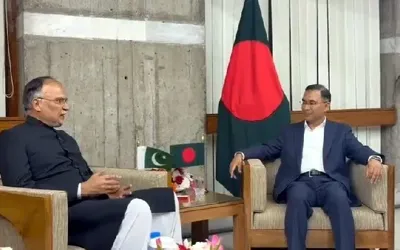
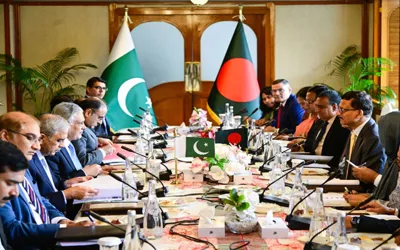
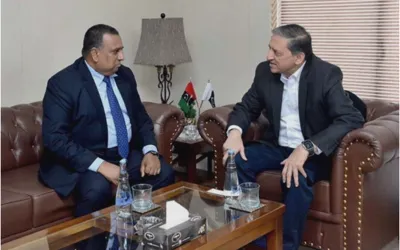
Recent diplomatic talks suggest new buyers are on the horizon. Pakistan’s Air Chief Marshal Zaheer Ahmad Babar Sidhu met his Bangladeshi counterpart in January, with a deal reportedly imminent.
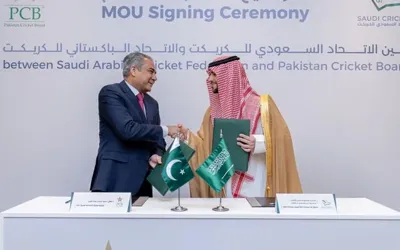
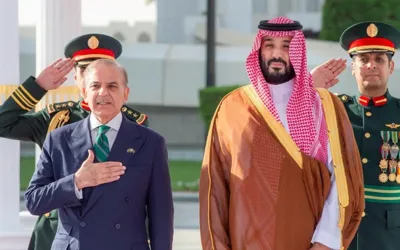
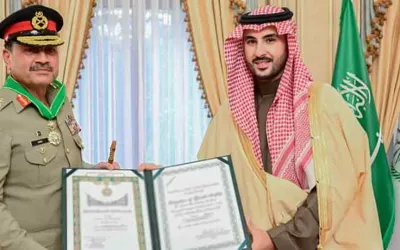
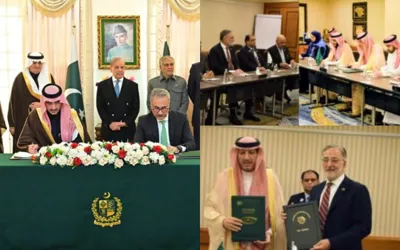
Indonesia is discussing the purchase of more than 40 JF-17s, while Iraq has expressed “keen interest.” Earlier this month, Pakistan signed a $4 billion deal to sell more than a dozen jets to the Libyan national army. Talks with Saudi Arabia could convert $2 billion in loans into JF-17 sales.
The growing export market for the JF-17 comes as Pakistan navigates financial challenges, including a $7 billion IMF program and prior short-term support to avoid a sovereign default. Analysts say developing a successful defence export industry could boost Pakistan’s international standing, generate hard currency, and create economies of scale for domestic defence production.
Defence Minister Khawaja Asif highlighted the potential economic benefits, saying: “Our aircraft have been tested, and we are receiving so many orders that Pakistan may not need the International Monetary Fund in six months.”
With its combination of affordability, advanced capabilities, and combat-proven performance, the JF-17 Thunder is emerging as a highly attractive option for countries seeking a modern fighter jet without the prohibitive costs of Western or Russian alternatives.