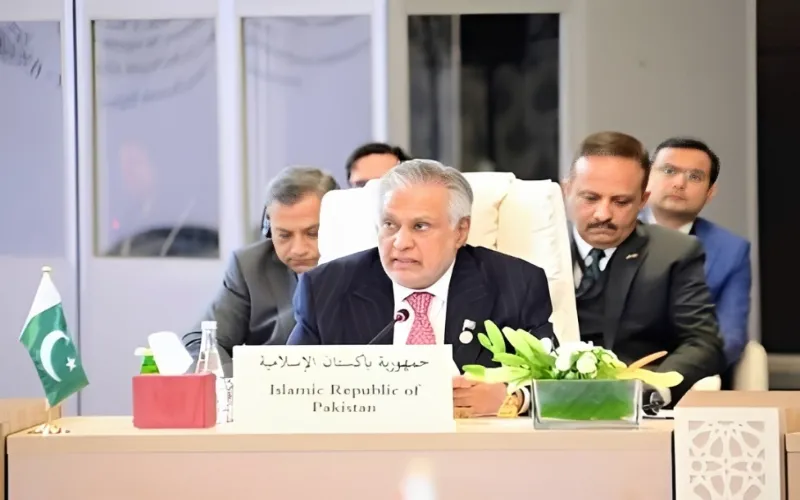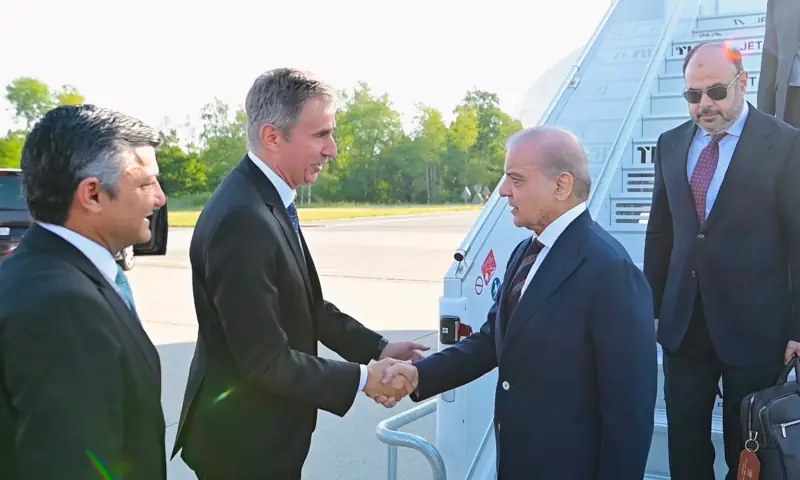
BÜRGENSTOCK: Pakistani Prime Minister Shehbaz Sharif arrived in Switzerland on Sunday to attend technical-level talks between Iran and the United States, the first formal engagement between the two countries since the signing of the Islamabad Memorandum of Understanding on June 17.
Sharif and his delegation, including Chief of Defence Forces Field Marshal Asim Munir, landed in Zurich before traveling to the Bürgenstock resort, according to state broadcaster PTV. The talks come four days after a long-awaited peace deal was signed, ending more than 100 days of war that had gripped the Middle East and triggered a global economic crisis.
Zürich: 21 June 2026.
Prime Minister and Field Marshal to participate in the High-Level Talks on the implementation of the Islamabad Memorandum of Understanding being held in Burgenstock, Switzerland, on 21st of June 2026.
Prime Minister Muhammad Shehbaz Sharif has arrived in… pic.twitter.com/PGEL9vIVsl
— Prime Minister’s Office (@PakPMO) June 21, 2026
U.S. Vice President JD Vance arrived Saturday, telling reporters he would focus on Iran’s nuclear program and the Lebanon ceasefire. “I think we’re going to hopefully make progress on the nuclear issue, make progress on the Lebanon ceasefire issue,” Vance said before departing Joint Base Andrews. He said he could participate for “a day or two.”
U.S. negotiators Jared Kushner and Steve Witkoff are already in Switzerland handling technical elements of the talks, Vance said earlier.
Iran’s delegation also landed in Switzerland early Sunday, the Swiss foreign ministry confirmed. Parliament Speaker Mohammad Bagher Ghalibaf leads the delegation, which includes Foreign Minister Abbas Araghchi, Central Bank Governor Abdolnaser Hemmati and National Iranian Oil Company CEO Hamid Bovard, according to the official IRNA news agency.
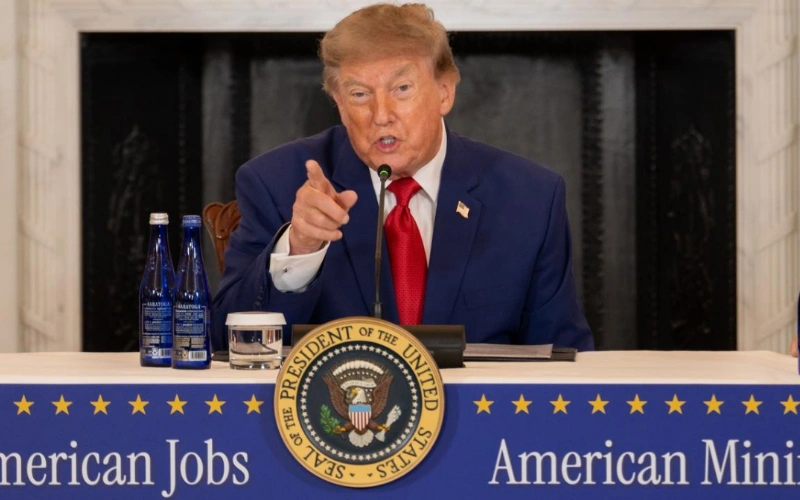
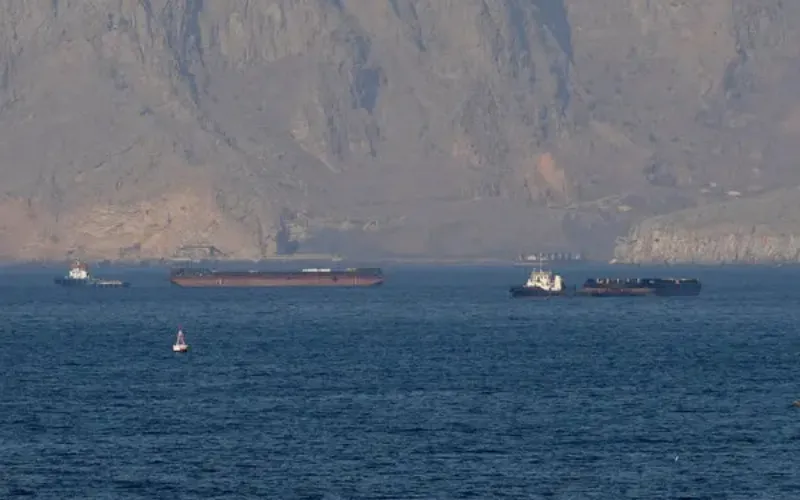
The Foreign Office in Islamabad said high-level delegations from the U.S., Iran and Qatar will participate in the discussions, which focus on implementation of the Islamabad MoU. Under the 14-point agreement signed by U.S. President Donald Trump and Iranian President Masoud Pezeshkian — with Sharif as mediator — both nations agreed to a framework to end the war, lift the U.S. blockade of Iran and reopen the Strait of Hormuz.
“Pakistan will continue to support and advance the implementation of the understandings reached between the Islamic Republic of Iran and the U.S.,” the Foreign Office said in a statement.
🔊PR No.1️⃣4️⃣9️⃣/2️⃣0️⃣2️⃣6️⃣
Curtain Raiser:High-Level Talks on the Implementation of Islamabad Memorandum of Understanding (Bürgenstock, Switzerland-21 June,2026)
🔗⬇️ pic.twitter.com/N7NoLYHXuv
— Ministry of Foreign Affairs – Pakistan (@ForeignOfficePk) June 21, 2026
The agreement includes a 60-day timeline for further talks on Iran’s nuclear ambitions, with the U.S. agreeing to facilitate the release of a $300 billion reconstruction fund backed by regional nations once a final deal is reached.
Iranian foreign ministry spokesperson Esmaeil Baqaei, who is part of the delegation, said Tehran intends to press Washington to fulfill its commitments, including compelling Israel to cease attacks on Lebanon.
“If part of the counterpart’s commitments is not implemented, the entirety of the agreement will be jeopardized,” Baqaei was quoted as saying by the Fars news agency.
Sharif is expected to hold bilateral meetings with participating delegations from Iran, Qatar, Switzerland and the U.S., the Foreign Office said. Vance noted that the situation in Lebanon was “actually getting better” but required continuous management.
“The big problem is that you have somebody will shoot and then somebody will respond, and you kind of have a chicken and egg problem where you’ve just got to stop the shooting for long enough to get the ceasefire to keep hold,” Vance said.