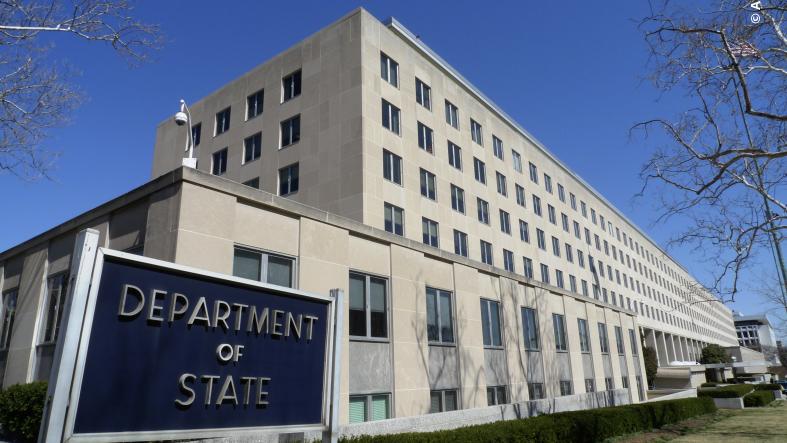
WASHINGTON: The United States State Department has urged Pakistan to strengthen parliamentary oversight of public finances, calling for improved disclosure of budget proposals, government debt, and other fiscal information, according to the department’s 2026 Fiscal Transparency Report.
The annual assessment identified several areas requiring greater transparency and oversight, including the timely publication of the executive budget proposal and fuller disclosure of government debt obligations, particularly those of major state-owned enterprises.
Mixed Assessment of Current Practices
While the report acknowledged some positive developments, it noted significant shortcomings in Pakistan’s fiscal transparency framework.
“During the review period, the government made its enacted budget and end-of-year report widely and easily accessible to the public, including online,” the report stated.
However, the assessment found that Pakistan “did not publish its executive budget proposal within a reasonable period.” The State Department emphasized that timely access to the government’s proposed budget is essential for public scrutiny of spending and revenue priorities before formal approval.
The report recommended that Pakistan make its executive budget proposal publicly available within a “reasonable period,” allowing Parliament and the public greater opportunity to examine government spending plans.
Gaps in Debt Disclosure
The assessment also pointed to gaps in information about Pakistan’s financial liabilities, noting that the government “made only limited information on debt obligations, including major state-owned enterprise debt, publicly available.”
According to the report, greater disclosure of such obligations would provide a clearer picture of the government’s overall financial position and allow legislators and the public to better assess potential fiscal risks associated with state-owned enterprises.
Positive Findings
Despite these shortcomings, the report found that Pakistan’s publicly available budget documents contained substantial information about government finances.
“Publicly available budget documents provided a substantially complete picture of most of the government’s planned expenditures and revenues, including natural resource revenues,” the report said.
The State Department also gave a broadly positive assessment of Pakistan’s public financial auditing system, noting that budget information was “generally reliable and subject to scrutiny by the country’s supreme audit institution.”
The report further found that the supreme audit institution met international standards of independence and that its findings were made available to the public within a reasonable period.
Natural Resources and Procurement
The assessment examined Pakistan’s handling of natural resource contracts and licenses, finding that the government had established legal and regulatory criteria and procedures for awarding contracts and licenses for natural resource extraction and appeared to follow them in practice.
The State Department similarly found that Pakistan published accessible information about public procurement contracts and that the country’s sovereign wealth fund had a “sound legal framework.”
Three Key Recommendations
The report identified three principal steps Pakistan could take to improve fiscal transparency:
-
Making the executive budget proposal publicly available within a reasonable period
-
Disclosing detailed information on government debt obligations, including those of state-owned enterprises
-
Subjecting military and intelligence agencies’ budgets to parliamentary or civilian public oversight
The report’s finding on military and intelligence spending came as part of its broader assessment of the country’s public financial oversight. It said those budgets were not subject to “adequate parliamentary or civilian public oversight.”
Overall Assessment
The report did not describe Pakistan’s fiscal system as lacking transparency across the board. It credited the government with making enacted budgets and year-end reports widely accessible, providing substantial information on revenues and expenditures, publishing procurement information, and maintaining an audit institution that meets international standards of independence.
The State Department’s Fiscal Transparency Report is an annual assessment required by U.S. law, evaluating the budget transparency of countries that receive U.S. foreign assistance.