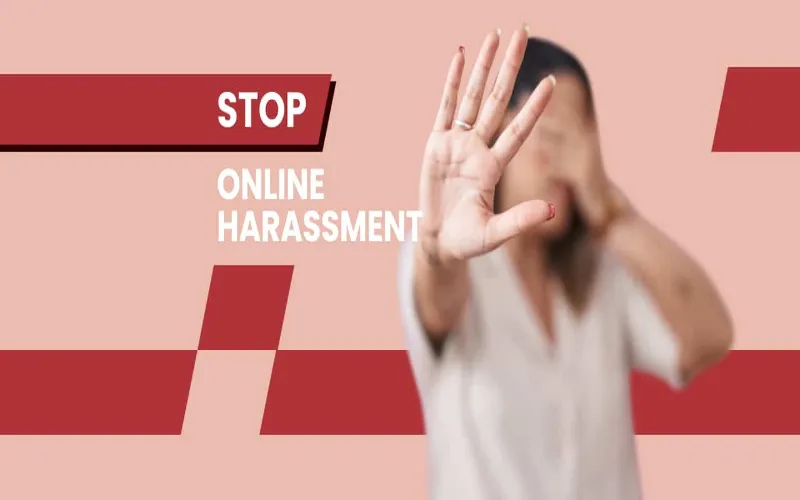
Cybercrime and online harassment have become serious problems affecting thousands of Pakistanis every year, especially women, students, journalists, and young social media users.
The internet has changed life in Pakistan. People use social media to study, work, shop, communicate, and share their daily lives. However, while technology has made life easier, it has also created new dangers.
From fake accounts and blackmail to cyberstalking and misinformation, online crimes are increasing rapidly. Behind every complaint is a real person whose life has been affected by fear, stress, and emotional trauma.
Dark side of Social Media:
For many Pakistanis, social media platforms are a place to connect with friends and family. But for some, these platforms become a source of harassment.
Online harassment includes sending threatening messages, sharing personal information without permission, creating fake profiles, editing photographs, cyberstalking, and spreading false rumors.
Women are often the primary targets of these crimes. According to recent cybercrime figures presented to Pakistan’s parliament, online harassment was the most reported cybercrime category in 2025, with hundreds of registered cases, and women making up the majority of victims.
Digital rights organizations report that millions of women in Pakistan have faced some form of online abuse during the past few years.
Sadaf, a university student from Karachi, who requested from the cybercrime department, described her experience after receiving threatening messages from an unknown social media account.
“At first, I ignored the messages. Then the person started sending edited pictures and threatening to share them with my family. I stopped using social media for weeks because I was scared.”
The student eventually reported the incident to authorities. Although the account was removed, the emotional impact remained.
“The worst part wasn’t the messages. It was the fear that someone was watching me all the time,” Sadaf further said.
Stories like hers are becoming increasingly common across Pakistan.
Recent years have seen a new challenge emerge: artificial intelligence and deepfake technology.
Officials and experts warn that such technologies are making cybercrime more sophisticated and harder to detect.
Many victims report feeling helpless when fake content spreads online because it damage to their reputation can happen within hours.
Punjab College Misinformation Case (2024):
In 2024, the FIA Cyber Crime Wing registered a case against dozens of individuals accused of spreading an alleged rape story related to a private college in Lahore.
Authorities argued that false information shared online contributed to unrest and public panic. Several arrests were made as investigations continued.
The case highlighted how misinformation on social media can quickly spread and create real-world consequences.
Cases against women journalists:
In another high profile case, four women journalists faced charges under cybercrime laws after becoming involved in a harassment related dispute.
Media organizations described the situation as concerning and raised questions about online harassment, freedom of expression, and the use of cybercrime legislation.
Many victims say the emotional impact of cybercrime is often overlooked. A young woman who reported online blackmail shared her feelings in an online discussion:
“I am mentally strong, but it still feels disturbing that someone can behave like this online without any fear.”
Digital rights activist Wirsha explained that victims frequently experience anxiety, depression, fear, and social isolation after being targeted online.
Officials from Pakistan’s cybercrime authorities acknowledge that online harassment remains one of the country’s biggest digital challenges.
According to figures presented to parliament, cyber harassment remains the leading category among registered cybercrime cases.
Investigations are being conducted nationwide against individuals involved in harassment, hate speech, misinformation, defamation, and other digital offenses.
Authorities encourage victims to save evidence such as screenshots, messages, account links, and phone numbers before filing complaints.
Pakistan’s cybercrime laws, including the Prevention of Electronic Crimes Act (PECA), provide legal mechanisms for investigating online harassment, cyberstalking, blackmail, and identity theft.
Experts believe women face greater risks online because of social pressures and gender based discrimination.
Digital rights advocate Nighat Dad has spent years helping women fight online abuse through legal support and awareness campaigns. Her organization has assisted thousands of victims dealing with cyber harassment.
Despite thousands of complaints being filed every year, experts argue that conviction rates remain low and many victims never receive justice.
Some victims complain about lengthy investigations, while others lack awareness of available legal protections.
Technology is evolving rapidly, and criminals are finding new ways to exploit it.
Deepfakes, identity theft, financial scams, and online blackmail are expected to become even greater challenges in the coming years.
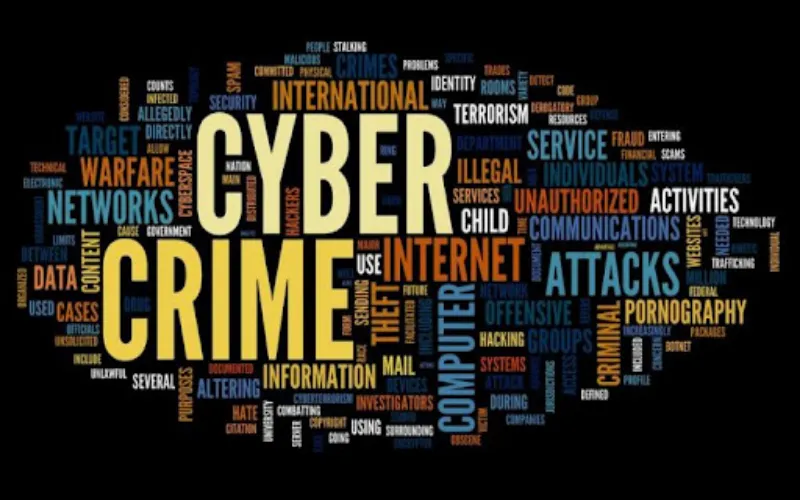
Cybercrime is no longer just a technological issue it is a social issue affecting real lives across Pakistan.
Every fake account, threatening message, manipulated image, or act of online harassment leaves a human impact behind.
While authorities continue to strengthen investigations and laws, experts believe that awareness, digital literacy, and responsible social media use are equally important.
The fight against cybercrime cannot be won by law enforcement alone. It requires cooperation from technology companies, educational institutions, families, and internet users themselves.
As Pakistan becomes more digitally connected, creating a safer online environment has become one of the country’s most important challenges. Behind every statistic is a person seeking safety, dignity, and justice in the digital world.