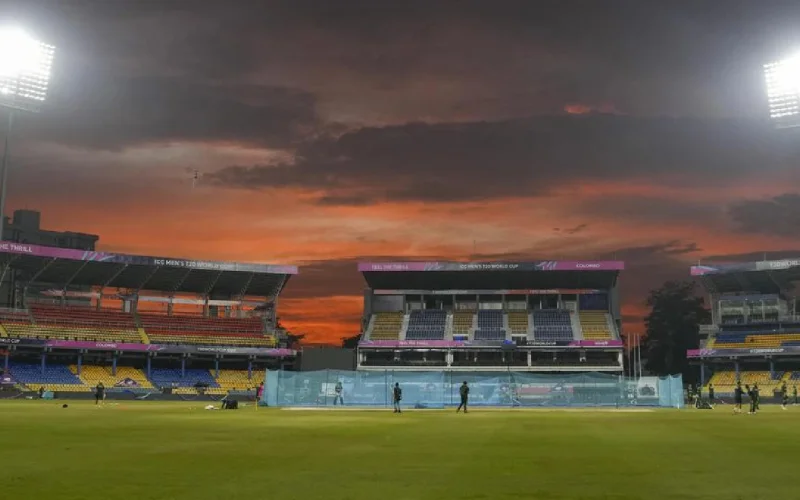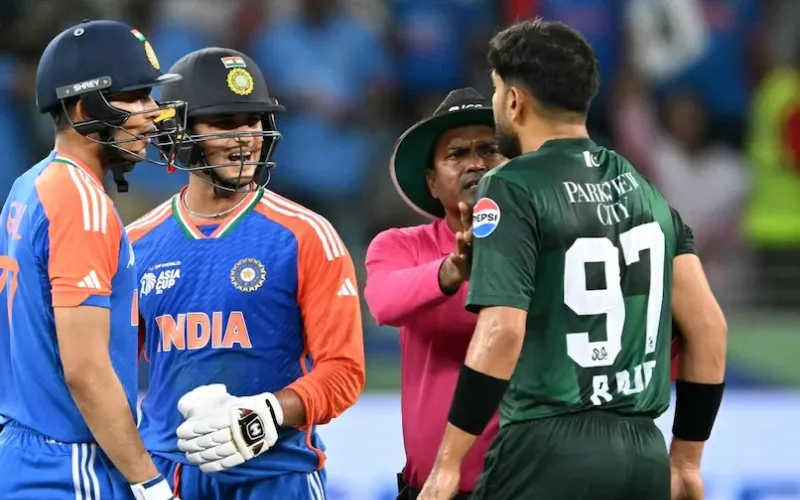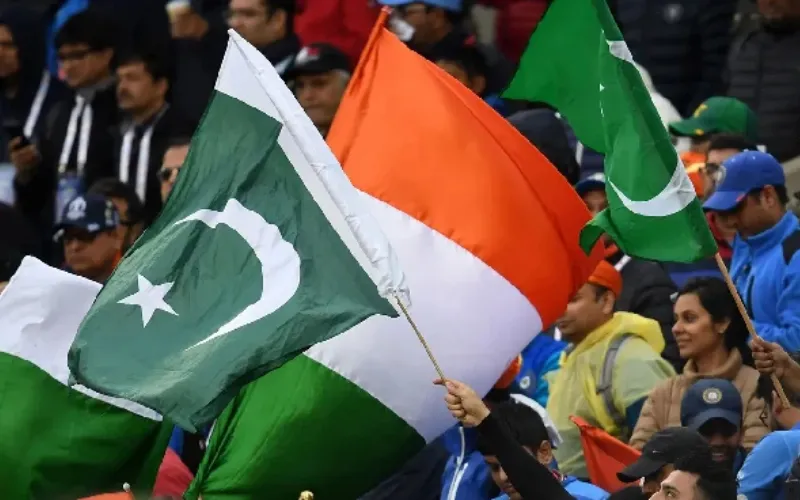
Colombo: The much-anticipated clash between Pakistan and India at the ICC T20 World Cup turned out to be a familiar story of disappointment for Pakistan, despite the changing venues and dates. The team’s performance in batting, bowling, and fielding once again fell short, echoing the recent past and raising questions about the team’s preparation and strategy.
The buildup to the match was marred with controversy and debate, with heated discussions over whether Pakistan should participate amid political tensions and calls for a boycott. The cricketing world was abuzz with opinions, but ultimately, the match went ahead, drawing unprecedented attention and high stakes.
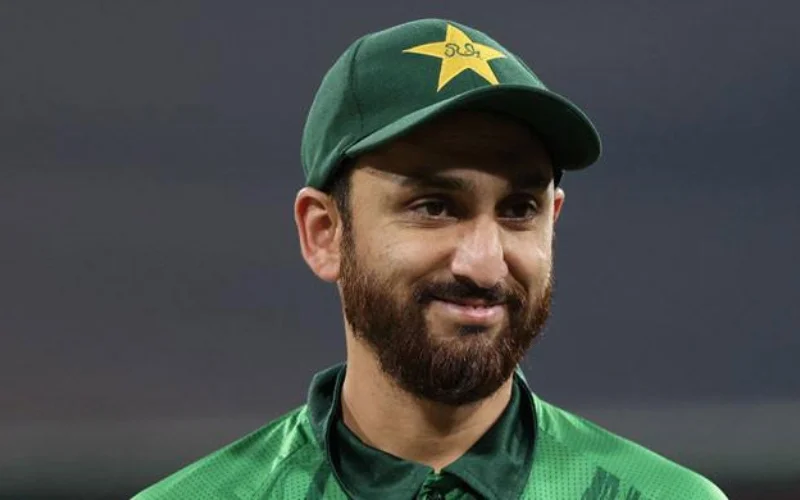
Captain Salman Ali Agha won the toss and chose to bowl first a surprising move given Pakistan’s traditional strength chasing runs. The decision seemed to set the tone for the match’s unraveling. Opening the bowling with Salman himself was an unorthodox choice that backfired immediately, as Abhishek Sharma was dismissed for zero.
Ishan Kishan then took charge, smashing Pakistan’s bowlers with aggressive shots, including a towering six that set the tone for India’s formidable innings. Despite fielding six spinners, Pakistan’s bowling attack was unable to contain Kishan and the Indian batsmen, leading to a total of 77 runs from Kishan alone.
Pakistan’s coaching staff and captain made several tactical errors. Usman Tariq’s late introduction to the attack and Shaheen Afridi’s expensive final over exemplified the team’s lack of planning. Field placements failed to apply pressure, and key bowlers lacked clarity on their roles.
On the batting front, Pakistan’s response was marked by panic and poor shot selection. The openers, Babar Azam and Salman Ali Agha, fell cheaply under pressure, and the middle order failed to stabilize the innings. The team’s total of 176 was within reach but was squandered by a batting unit plagued with fear and disorganization.
The defeat highlighted deeper issues within Pakistani cricket—ineffective team selection, questionable leadership, and a lack of passion on the field. Critics pointed fingers at coach Mike Hesson, accusing him of misreading pitch conditions and failing to motivate the team. The chief selector, Aaqib Javed, faced criticism for stubbornness and bias in team selection, with little accountability to be seen.
Pakistan’s cricketing fraternity and fans are left pondering whether the team’s current trajectory can be reversed. As the nation mourns yet another early exit, questions about leadership, strategy, and cricketing standards remain unanswered.
The ICC T20 World Cup encounter once again exposed the cracks within Pakistan cricket, a team that, despite the noise and headlines, continues to falter when it matters most. The hope now is for introspection and a renewed focus on rebuilding this once-proud cricketing nation.