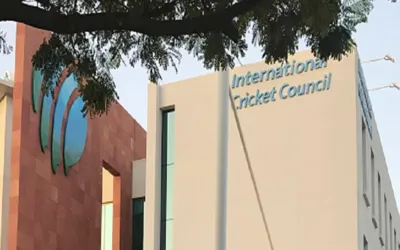
The International Cricket Council (ICC) has issued a stern ultimatum to the Bangladesh Cricket Board (BCB) either the team travels to India for the upcoming tournament, or it will be immediately removed and replaced by Scotland.
In response, Bangladesh requested a one-day extension to consult with their government a plea the ICC granted conditionally, warning that no further extensions will be considered.
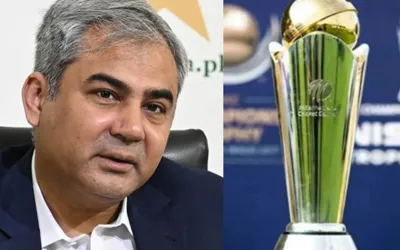
The emergency ICC board meeting was convened following a letter from the PCB, with all 15 permanent members in attendance. Among the associate members, only Singapore’s CEO Imran Usmani and the head of ICC’s Anti-Corruption Unit, who had been in Bangladesh all week lobbying the board, participated. The PCB, showing solidarity with Bangladesh, called on the ICC to gauge the opinions of board members before a decision.
By majority vote, the ICC concluded that India’s security concerns are not severe enough to justify Bangladesh refusing to travel. The ICC CEO made it clear that the board has been continuously in touch with Bangladesh, briefing them on all security arrangements. However, the BCB remains adamant.
Sources reveal that while the PCB strongly backed Bangladesh, labeling the situation in India as “alarming,” no other board extended support. Bangladesh apparently miscalculated, assuming that silence from other boards would work in their favor.
Bangladesh hopes for a miracle
BCB President Aminul Islam told local media that the board had requested a one- or two-day period to consult their government. He stressed that the board does not wish to pressure the government, yet reiterated, “Our stance remains that we cannot travel to India, and our matches should be moved to Sri Lanka.” The ICC, however, has made it crystal clear: Bangladesh must play.
When pressed on what could be achieved in one day, Aminul said, “I am waiting for a miracle that the ICC will understand the serious dangers of traveling to India and accept our request.” Despite his words, he appeared cautiously pessimistic.
Meanwhile, the Bangladeshi government has taken an uncompromising stance, firmly stating that the team will not under any circumstances travel to India.
ICC draws the line
Historically, the ICC has shifted matches due to security concerns, such as moving Champions Trophy games to Dubai and Pakistan’s matches to Sri Lanka. But this time, the ICC has shown zero tolerance. Bangladesh’s repeated refusals have been flatly rejected, and the ICC has refused even to consider alternative requests.
Bangladesh, entangled in a tense diplomatic standoff with India for over a year, had hoped for exceptions similar to Pakistan’s situation but the ICC’s response has been uncompromisingly firm. The board has already decided to include Scotland if Bangladesh boycotts, with an official announcement expected by the end of this week.
PCB stands with words, not action
While the PCB has voiced support for Bangladesh and pledged solidarity, insiders confirm that Pakistan will not boycott the tournament. The Pakistan vs India match guarantees significant revenue, and the ICC will not cancel it under any circumstances. By avoiding the word “boycott,” PCB has carefully navigated the situation to protect its own financial and cricketing interests.
Bangladesh now has just 24 hours to decide. By Friday, it will be clear whether the team will travel to India or be replaced by Scotland. Regardless of the outcome, the BCB must confront a harsh reality: in international cricket, it lacks the clout to impose its demands. By creating this controversy, the board has only compounded its problems, proving that every battle must be fought within the limits of one’s power.