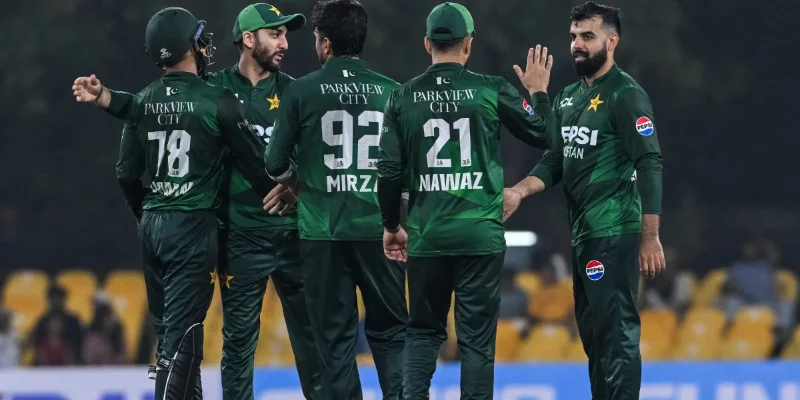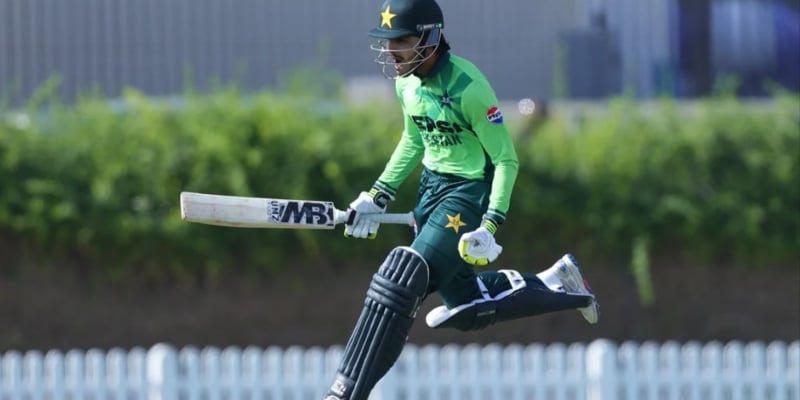
For decades, Asia has stood at the heart of world cricket. Countries such as India, Pakistan, Bangladesh, and Sri Lanka not only command the largest share of global viewership but also provide the financial backbone that sustains international cricket.
However, rising political tensions and the increasing politicisation of the sport are now raising serious concerns about the future of Asian cricket.
A new flashpoint: India and Bangladesh
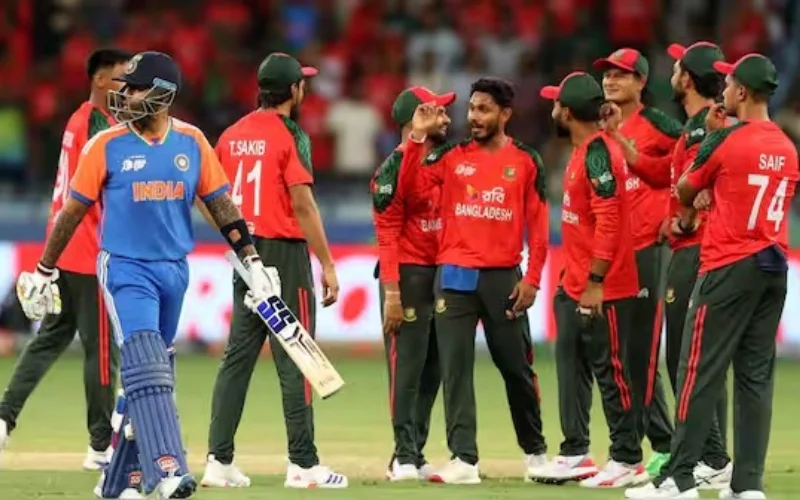
Following prolonged strained relations with Pakistan, India now finds itself embroiled in a fresh controversy—this time with Bangladesh. The dispute intensified after Bangladeshi fast bowler Mustafizur Rahman was prevented from participating in the Indian Premier League (IPL), triggering a diplomatic and sporting fallout.
Mustafizur had been signed by the Kolkata Knight Riders for the upcoming IPL season. However, amid intense pressure from sections of Indian social media, the franchise announced the termination of his contract. While Kolkata Knight Riders—owned by Bollywood star Shah Rukh Khan—has previously faced online backlash, this incident escalated beyond franchise-level criticism into a broader geopolitical dispute.
Bangladesh’s strong response
The Bangladesh Cricket Board (BCB), backed by government sentiment, termed the cancellation of Mustafizur’s contract a national insult. In retaliation, Bangladesh imposed a ban on IPL broadcasts within the country. More significantly, it announced its refusal to travel to India for the upcoming ICC T20 World Cup.
According to the BCB, threats allegedly issued by extremist elements in India have created serious security concerns for Bangladeshi players. The board maintains that player safety is non-negotiable and that sending the team to India under the current circumstances would be irresponsible.
Bangladesh’s official position
Last Sunday, the BCB formally informed the International Cricket Council (ICC) that it does not consider it safe to send its team to India. While no direct statement has been issued at the government level, officials from the Ministry of Sports have endorsed the cricket board’s stance.
The BCB has also denied claims that the decision is linked to Mustafizur Rahman’s IPL exclusion, although it acknowledged that Bangladesh had previously raised security concerns regarding tours of India.
The ICC’s ambiguous role
So far, the ICC has refrained from issuing an official statement. However, Indian media outlets and cricket website ESPNcricinfo reported unofficially that the ICC had rejected Bangladesh’s request and warned that points could be awarded to opposing teams should Bangladesh refuse to play.
These reports remain unverified, as the ICC has not publicly confirmed them. Indian media continued to speculate about possible sanctions, while India, as the host nation, reiterated assurances of full security for all participating teams.
Bangladesh clarifies and pushes back
On Wednesday afternoon, the Bangladesh Cricket Board released an official statement refuting reports of ICC warnings or point deductions. According to the BCB, the ICC is engaging with Bangladesh to explore viable solutions to the crisis.
While appreciating the ICC’s efforts, the BCB reaffirmed its position that the team will not travel to India under the current security environment.
A warning sign for Asian cricket
The final outcome of this standoff remains uncertain, but one reality is already evident: the organisation of major global tournaments such as the World Cup has become increasingly contentious. Nearly 70 percent of global cricket viewership originates from Asia, yet the region is now deeply divided.
India, the sport’s largest financial stakeholder and viewership hub, carries a heightened responsibility. If perceived as acting irresponsibly or dismissively, the repercussions will extend beyond bilateral disputes and could destabilise the entire Asian cricket ecosystem.
Conclusion: Cricket held hostage by politics
Over the past year, political turbulence, hostile rhetoric, and the conflation of sport with national identity have pushed Asian cricket to a critical juncture. There is growing concern that the ICC may be compelled to move major tournaments away from Asia altogether, as ensuring a safe and neutral sporting environment becomes increasingly difficult.
Asia—once the unquestioned powerhouse of world cricket—now appears entangled in its own conflicts. Without timely, pragmatic, and depoliticised decision-making, Asian cricket risks drifting further away from the global stage and from the spirit of the game itself.