Apple has unveiled iOS 26.2, a significant update designed to refine the user experience and respond to feedback over the controversial “Liquid Glass” design.
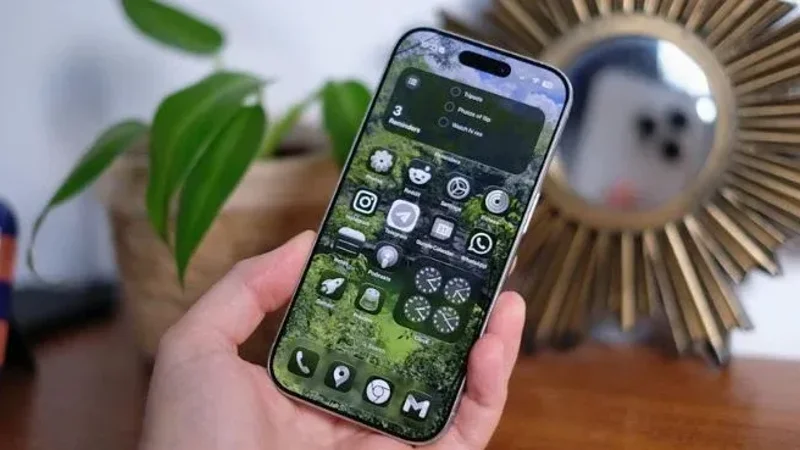
The update provides users with greater control over transparency, including the ability to adjust the opaqueness of the Lock Screen clock.
The move comes after widespread complaints that the semi-transparent interface, while visually striking, hindered readability across devices.
The “Liquid Glass” design, first introduced in iOS 26, gives buttons, notifications, and other interface elements a semi-transparent, optical-glass effect, hinting at Apple’s potential future integration with AI-powered smart glasses.
However, users expressed concerns over its practicality, prompting Apple to release successive tweaks aimed at balancing aesthetics with functionality.
Beyond design improvements, iOS 26.2 also delivers several functional upgrades across Apple devices:
AirDrop: Users can now generate shareable codes to send files to non-contacts, granting them temporary “known” status for 30 days a useful feature for workplace environments.Apps: Reminders now supports alarms, Apple News introduces a “Following” tab, Apple Music adds offline lyrics, and the Podcasts app incorporates AI-generated chapters and show linking.
Health: Apple Watch users receive a new “Sleep Score” reflecting sleep quality and goals.
Security: Apple has released critical patches for iPhone, iPad, Mac, and Apple Watch, addressing vulnerabilities exploited in an ongoing hacking campaign.

Notably, the designer behind the Liquid Glass overhaul, Alan Dye, recently departed for Meta and has been succeeded by Stephen Lemay, a veteran interaction designer tasked with fine-tuning the user interface to ensure both visual appeal and usability.
With iOS 26.2, Apple seeks to demonstrate responsiveness to user feedback while continuing its pursuit of sleek, innovative interfaces that anticipate future technology trends.