BARCELONA: The mobile industry has officially stepped into what many are calling the “IQ era,” as the Mobile World Congress 2026 (MWC) opens with a sharp shift in focus — from basic connectivity to embodied artificial intelligence and smart autonomy.
Unlike previous years dominated by hardware upgrades, MWC 2026 is centered on intelligent devices powered by integrated AI systems capable of interacting dynamically with their surroundings.
Chinese tech brand HONOR drew major attention with its so-called “robot phone.” The device features built-in gimbals and an embedded AI engine that allows it to physically tilt, rotate, and respond to environmental cues — moving beyond static screens toward interactive hardware.
The new wave of flagship smartphones is led by Xiaomi’s 17 Ultra and Samsung’s Galaxy S26 series. These devices integrate on-device AI agents capable of autonomously executing multi-app tasks — marking a leap toward fully intelligent mobile assistants.
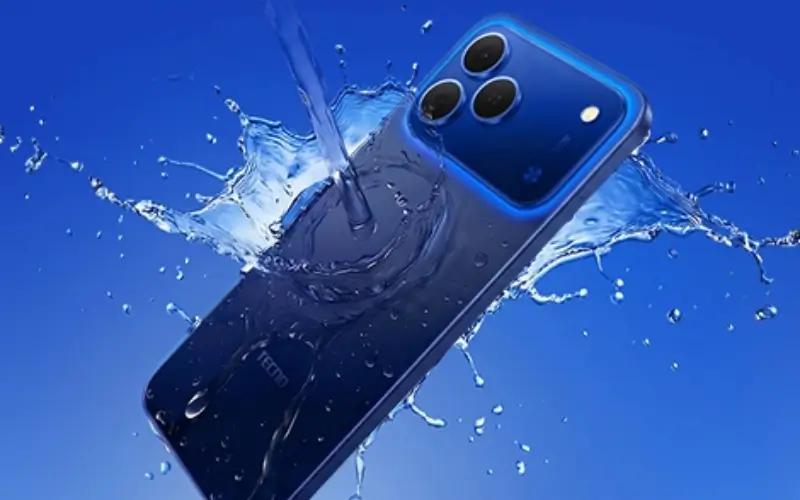
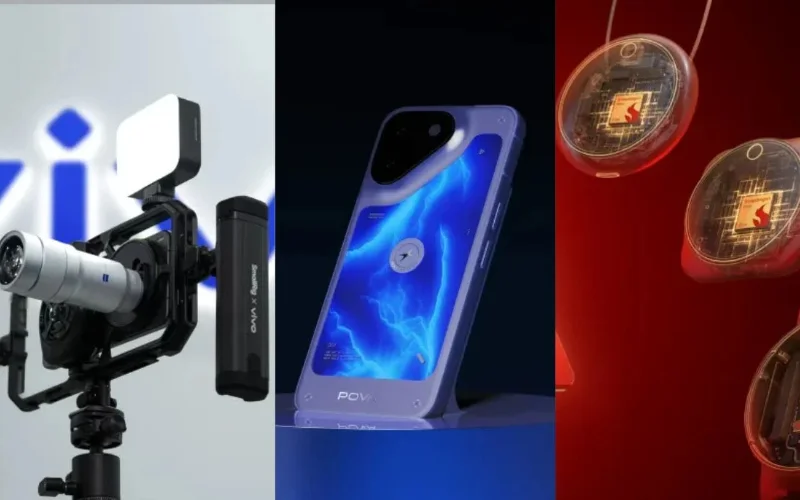
After teasing a magnetic modular concept phone, Tecno unveiled two bold new designs.
The Pova Neon phone uses actual ionized neon gas lighting, creating a vibrant luminous effect rather than relying on bright paint. Meanwhile, its E-Ink model incorporates an electronic ink display on the back cover, allowing the phone to change colors — even matching your outfit based on a captured photo.
Vivo announced its upcoming flagship, the X300 Ultra, featuring a massive 200-megapixel telephoto camera. The device will also include an upgraded telephoto extender lens and a professional camera cage.
Although full specifications and release details remain under wraps, Vivo confirmed that this will be its first “Ultra” model sold outside China.
Tech giant Lenovo unveiled the experimental Yoga Book Pro 3D — a dual-screen laptop capable of displaying 3D visuals without special glasses. Users can manipulate 3D models through hand gestures, signaling advancements in immersive computing.
AI-powered wearables also dominated headlines, with Qualcomm announcing its Snapdragon Wear Elite chip.
The new processor is designed to power next-generation devices including smartwatches, AI pins, pendants, and smart glasses. According to Qualcomm, the chip delivers five times stronger single-core CPU performance and launches apps up to seven times faster, enabling more advanced on-device AI capabilities.
As MWC 2026 unfolds, one thing is clear: the future of mobile technology lies not just in connectivity — but in intelligence embedded directly into devices.