In a world where cyber threats loom over the skies, NASA has taken a bold leap to secure the future of aviation.
The agency has successfully tested a blockchain-powered cybersecurity system that could make flight data tamper-proof, shielding aircraft from interception and manipulation.
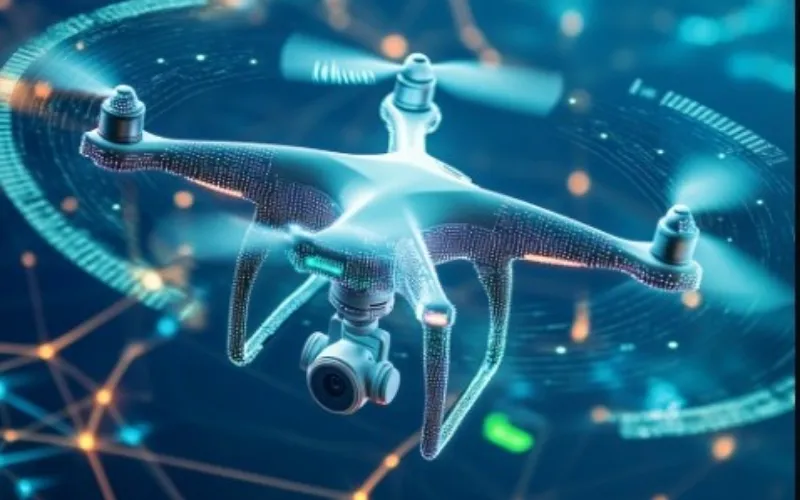
The groundbreaking experiment took place at the Ames Research Center in California, where an Alta-X drone demonstrated how decentralized ledgers can protect real-time communications between aircraft and ground stations.
As threats to aviation systems grow increasingly sophisticated, NASA is moving beyond traditional security methods. The blockchain system creates a digital fortress, ensuring that critical data flight plans, telemetry, and operator credentials remains accurate, secure, and accessible only to authorized personnel.
During the August flight test, the drone flew under simulated real-world conditions, powered by a custom hardware and software setup.
Using an open-source framework, the system managed high-speed digital transactions, proving it can handle the security demands of modern air traffic management.
NASA researchers believe this innovation could be a game-changer for the skies, particularly for Urban Air Mobility and autonomous high-altitude aircraft operating above 60,000 feet.
By demonstrating that blockchain can safely transmit and store data in real time, the agency is laying the foundation for a trusted, scalable ecosystem for next-generation aviation.