In an era where artificial intelligence is revolutionizing creativity, the boundary between human artistry and machine-generated content is increasingly blurred.
Imagine a world where a song can be generated by AI yet carries the distinctive imprint of legendary artists from decades past.
Amid this digital evolution, protecting creators’ rights has emerged as a critical challenge, demanding innovation, precision, and technological vigilance.
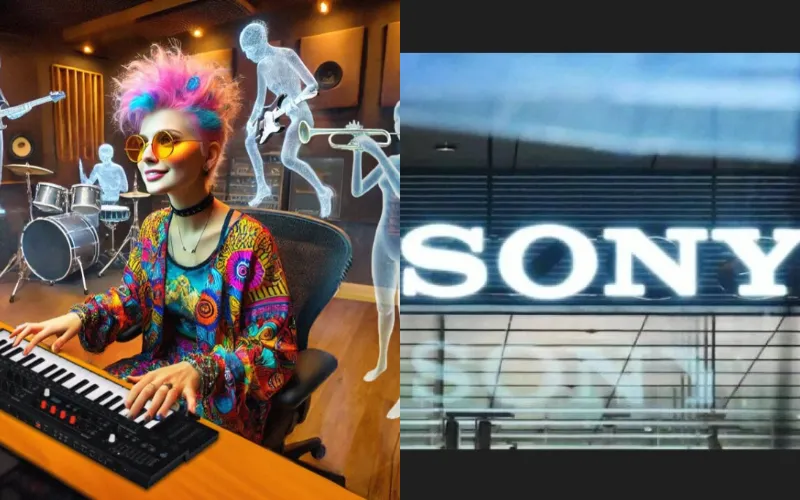
Sony Group has stepped into this frontier with a pioneering system designed to identify copyrighted music embedded within AI-generated tracks.
This advanced technology evaluates AI-created compositions to determine the contribution of original artists, for instance, identifying if a song is “30% derived from The Beatles and 10% from Queen.”
When AI developers collaborate, Sony can access their models directly to trace the training data. In cases where cooperation is absent, the system uses sophisticated algorithms to analyze and compare outputs with vast music databases, estimating the origins of melodies, harmonies, and vocals.
The innovation comes at a time when AI-generated content is surging, including viral songs that replicate the voices of stars such as Drake and The Weeknd.
Sony’s tool is designed to ensure fair revenue distribution, enabling songwriters and artists to receive proper royalties, akin to traditional mechanisms used by streaming platforms and radio.
Leveraging its extensive music catalog which includes rights to half of Michael Jackson’s estate—Sony AI is also extending this technology to visual arts.
The system can detect when AI mimics distinct artistic styles, from Japanese anime to the signature visuals of Studio Ghibli films, preventing unauthorized replication and promoting ethical AI usage.
While the technology promises to become a cornerstone for licensing and royalty negotiations, challenges remain. Industry experts note that AI developers, often prioritizing model efficiency over intellectual property rights, may hesitate to adopt a system that could expose them to copyright claims.
Sony has not yet disclosed a launch date but emphasizes that this initiative marks a significant step toward harmonizing creativity and AI innovation.