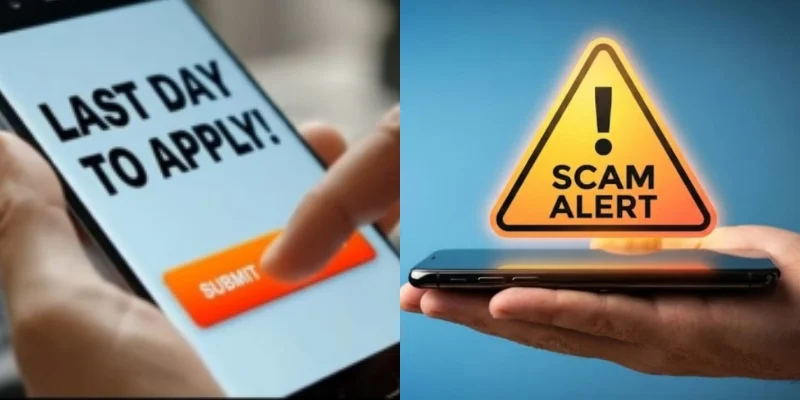
A detailed investigation by TechJuice has uncovered a large-scale online scam spreading quickly on TikTok, targeting drivers across Pakistan.
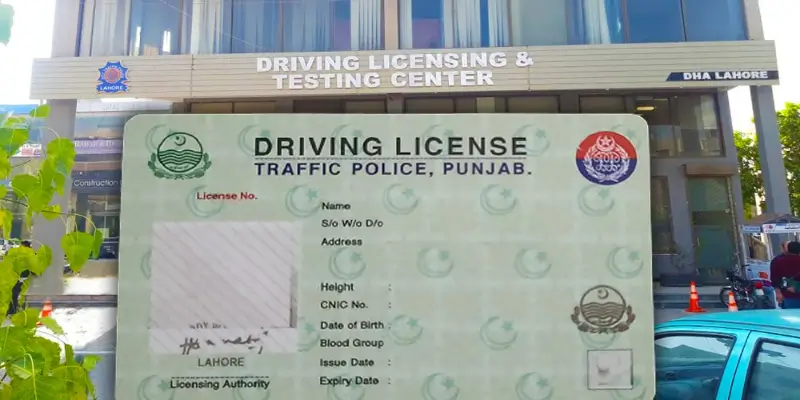
The scam revolves around fake claims of renewing driving licenses from home through Punjab’s official Driving License Information Management System (DLIMS). Fraudsters are taking advantage of people’s growing trust in online government services to steal personal data and money.
The issue came to light after multiple users reported suspicious TikTok ads in late 2025. TechJuice’s team closely examined these ads, tracked the accounts behind them, followed the links, and tested the fake websites themselves. What they found was a well-planned operation using copied government branding, paid promotions, fake urgency, and dangerous data collection methods.
How the Scam Works:
The fraud usually starts with sponsored TikTok ads promising “home-based driving license renewal without visiting traffic offices.” These ads use official-looking language and visuals to appear genuine. However, the accounts promoting them are mostly empty — no videos, no real engagement — yet they openly use DLIMS logos, which is a major red flag.
Once users click on the ad, they are redirected to fake websites, often hosted on platforms like Netlify to stay anonymous. These sites look almost identical to the real DLIMS portal. Users are asked to enter personal details, select vehicle types (motorcycle, car, LTV, HTV, PSV), and are shown fees that closely match official charges.
Read More: 5 easy ways to boost Your Wi-Fi signals at home
The real danger begins when users are asked to upload sensitive documents, including CNIC front and back photos and passport-size pictures. This information can later be used for identity theft, SIM fraud, bank account takeovers, or even illegal loans — crimes that are already common in Pakistan.
To pressure victims, the fake websites generate a “token number” with a countdown timer, creating panic that the application will expire without payment. Another suspicious sign is that these sites block screenshots or show warnings if users try to capture evidence — something real government websites never do.
Payments are then demanded through JazzCash or similar services, sent to untraceable personal accounts. The money is quickly withdrawn, making recovery almost impossible.
A Growing Problem:
This scam is part of a wider rise in fake government services online, including frauds linked to NADRA, Ehsaas/BISP, passports, traffic fines, and DLIMS. Social media platforms have made it easier for scammers to reach people, while weak ad monitoring allows such content to spread. Authorities like FIA and NCCIA have also reported an increase in cybercrime complaints in 2025, including similar fake DLIMS websites flagged in the past.
Red Flags and Safety Tips:
- According to TechJuice’s findings, users should remember:
- The official DLIMS website is dlims.punjab.gov.pk or other verified .gov.pk links.
- Government departments do not run ads from anonymous TikTok or Facebook accounts.
- Legitimate services do not block screenshots or ask for CNIC details and payments through personal wallets.
- Always verify services through official apps like Punjab Police, Dastak, or trusted helplines.
If You’ve Been Targeted:
- Report the ad immediately on TikTok or Facebook.
- File a complaint with the FIA Cyber Crime Wing via complaint.fia.gov.pk or by calling 1991.
- Monitor your bank and mobile accounts closely.
- If necessary, contact NADRA to secure or freeze your CNIC.
As DLIMS continues to expand its online services, including license renewals, international licenses, and home delivery, scammers are becoming more aggressive. This makes user awareness, platform responsibility, and quick reporting more important than ever.