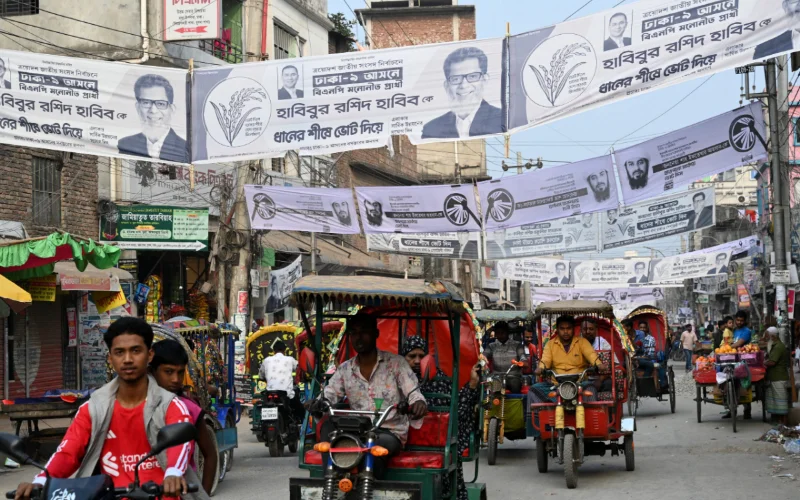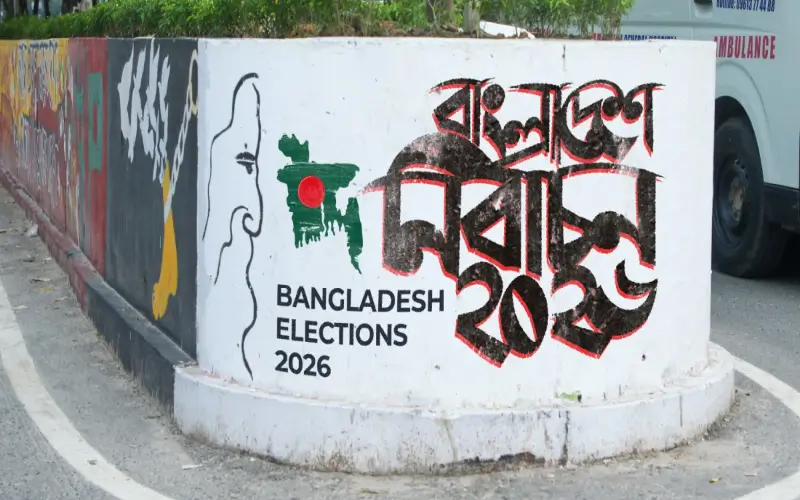
Bangladesh stands at a crossroads as it prepares for a historic electoral and constitutional milestone in 2026. The nation’s first major election since the 2024 student-led uprising, which resulted in the ousting of former Prime Minister Sheikh Hasina, signals a new chapter in its democratic journey.
On August 8, 2024, Nobel laureate Muhammad Yunus was appointed interim Chief Adviser, a move that addressed key protester demands and aimed to restore trust in the transitional government. Formed through consultations with students, the military, and civil society, this interim administration pledged to implement vital reforms before holding elections.
A Landmark Election and Referendum
For the very first time, Bangladesh will conduct a combined national election and constitutional referendum on February 12, 2026. This dual exercise will determine both the country’s leadership for the next five years and the future structure of its governance. Notably, the referendum will include participation from the Bangladeshi diaspora, expanding democratic engagement beyond borders.
The July Charter and Its Implications
Central to this process is the ‘July Charter’—a comprehensive reform blueprint comprising over 80 proposals designed to overhaul Bangladesh’s political and judicial systems. Drafted by the National Consensus Commission, the Charter builds on recommendations from six specialized reform commissions covering the constitution, judiciary, electoral laws, police, public administration, and anti-corruption measures.
Key reforms include increasing women’s political representation, setting term limits for the Prime Minister, strengthening presidential authority, expanding citizens’ rights, and safeguarding judicial independence. Voters will cast a straightforward Yes/No ballot on whether to endorse the Charter.
Should the referendum pass with a ‘Yes’, the incoming parliament will have 180 working days (or 270 calendar days) to enact the reforms, functioning as a dedicated Constitutional Reform Council. However, the success of these reforms hinges on the political will of future legislators, especially since an earlier automatic-enactment clause was removed to prevent constitutional challenges.
A ‘No’ vote would introduce uncertainty, leaving the reforms vulnerable to political discretion and risking a regression to authoritarian tendencies. Critics warn that a rejection could stall progress and threaten Bangladesh’s fragile democracy, but some believe public pressure might still push the new parliament to adopt at least some reforms.
While endorsed by 24 political parties in October 2025, the Charter remains imperfect. Disagreements persist on issues like the upper house’s composition and oversight independence. Critics also argue that reducing complex reforms to a binary vote could oversimplify nuanced issues, though the design aims to balance diverse political interests and engage voters.
Electoral Integrity and Reform Efforts
Bangladesh’s recent elections (2014, 2018, 2024) have been plagued by allegations of manipulation and violence. The last broadly credible election took place in 2008 under a caretaker government.
Electoral reform expert Md Abdul Alim notes that progress has been made. About 50 of the Electoral Reform Commission’s 250 recommendations, such as empowering the Election Commission, enabling overseas voting, and curbing partisan interference at polling stations—have been implemented. Notably, new rules prohibit political figures from staying inside polling stations, enhancing transparency and fairness.
However, many reforms, including independent appointment of election commissioners, remain pending. Continued efforts are necessary to establish electoral integrity and public confidence.
Shifting Political Dynamics
The political landscape is undergoing significant change. The long-dominant Awami League (AL), led by Sheikh Hasina, is absent from the ballot following a ban on its activities in 2025. This absence opens space for the Bangladesh Nationalist Party (BNP), currently seen as the front-runner in polls, and a more fragmented field of smaller parties.
The emergence of the National Citizen Party (NCP), rooted in the 2024 protests, and its alliance with Jamaat-e-Islami, signals a more unpredictable electoral environment. Despite uncertainties, most parties support the referendum and the reforms it seeks, even as debates over institutional design continue.
Looking Ahead: Challenges and Opportunities
The upcoming election is more than just a contest for power; it’s a litmus test for Bangladesh’s democratic resilience. Success depends on political cooperation, respect for electoral processes, and the willingness of leaders to pursue genuine reforms.
As Md Abdul Alim emphasizes, the referendum’s outcome could lay the foundation for a more stable, democratic Bangladesh, if political actors commit to implementing reforms and rebuilding public trust. The post-election period will be critical in shaping whether this historic moment translates into tangible, lasting change.
This election, driven by youth activism and reform aspirations, may mark the beginning of a new chapter one where Bangladesh’s vibrant democracy takes a decisive step forward.