As the year winds down, millions around the world eagerly anticipate the sparkling decorations, colorful lights, festive music, and heartwarming gatherings that mark the holiday season. At the heart of this season lies Christmas Eve, observed on the evening or throughout the day before Christmas, a time of reflection, celebration, and connection.
For Christians, Christmas Eve commemorates the birth of Jesus Christ and traditionally marks the beginning of Christmas festivities. Historically, the day has been observed at sunset, following the Christian liturgical calendar, a practice rooted in Jewish tradition and the biblical account of Creation: “And there was evening, and there was morning the first day.” Around the globe, churches celebrate with bell-ringing ceremonies and evening prayers.
Family Gatherings and Traditions
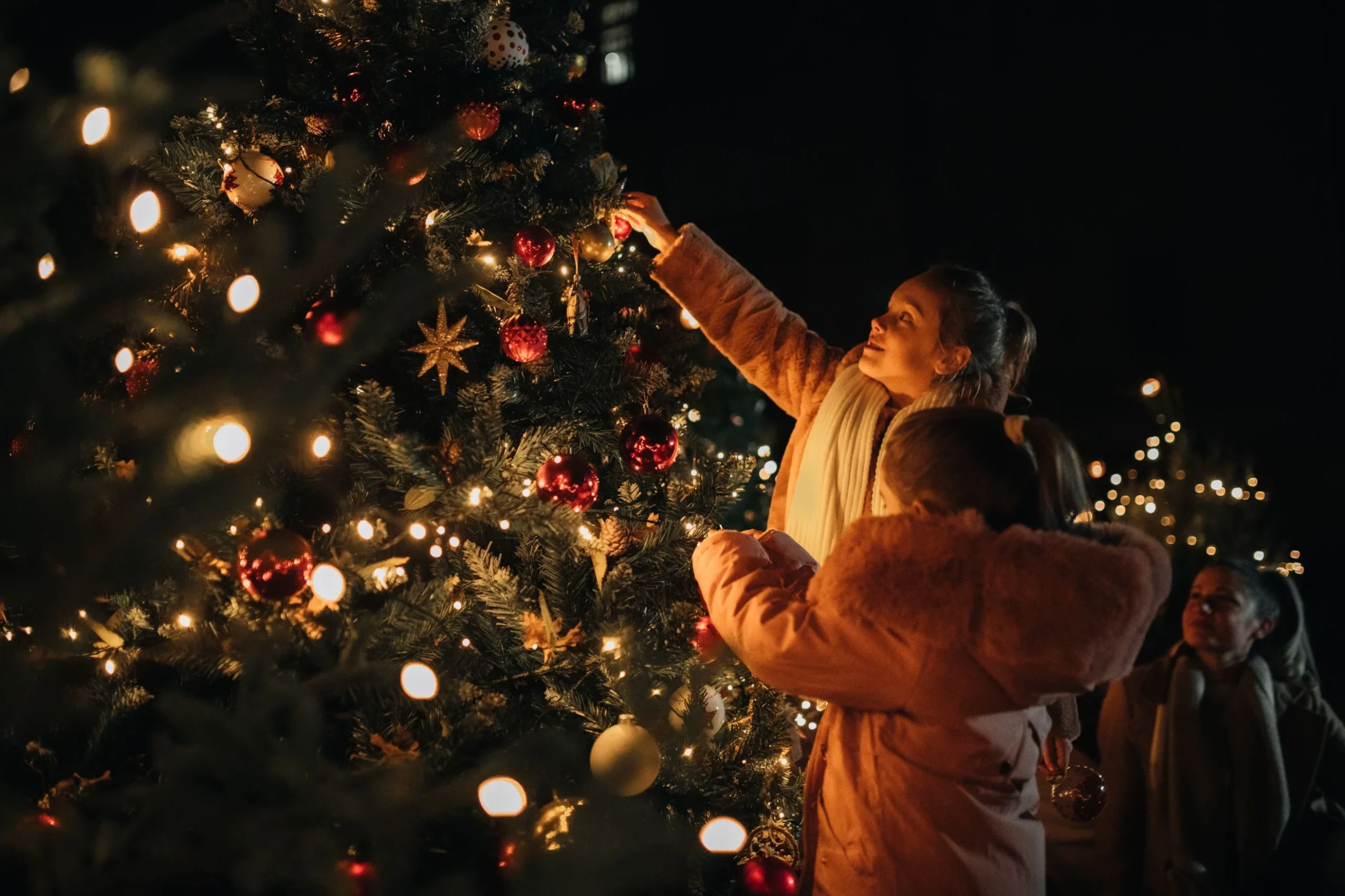
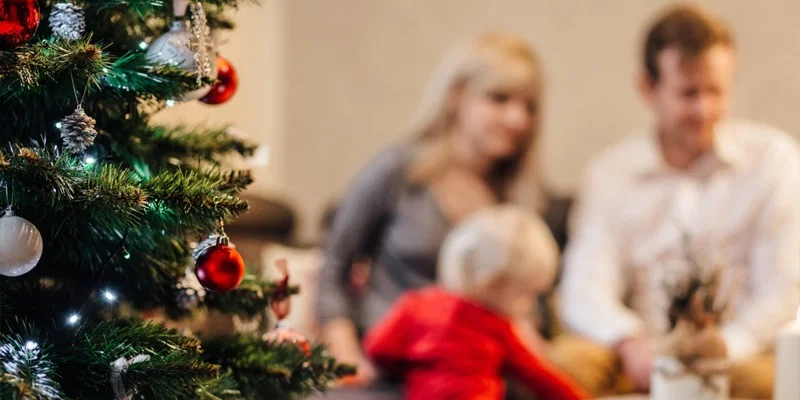
Families worldwide come together on Christmas Eve for special meals that reflect regional culinary customs ranging from roasted meats and hams to Italian fish dishes or Mexican tamales. Gift-giving remains a cherished tradition, whether through exchanging presents, opening stockings, or leaving treats for Santa Claus and his reindeer. Candlelight services or Midnight Mass continue to play a central role for many Christian households. Meanwhile, homes are transformed with twinkling lights, festive ornaments, and the inviting aroma of baked goods.
Enhancing the Holiday Spirit
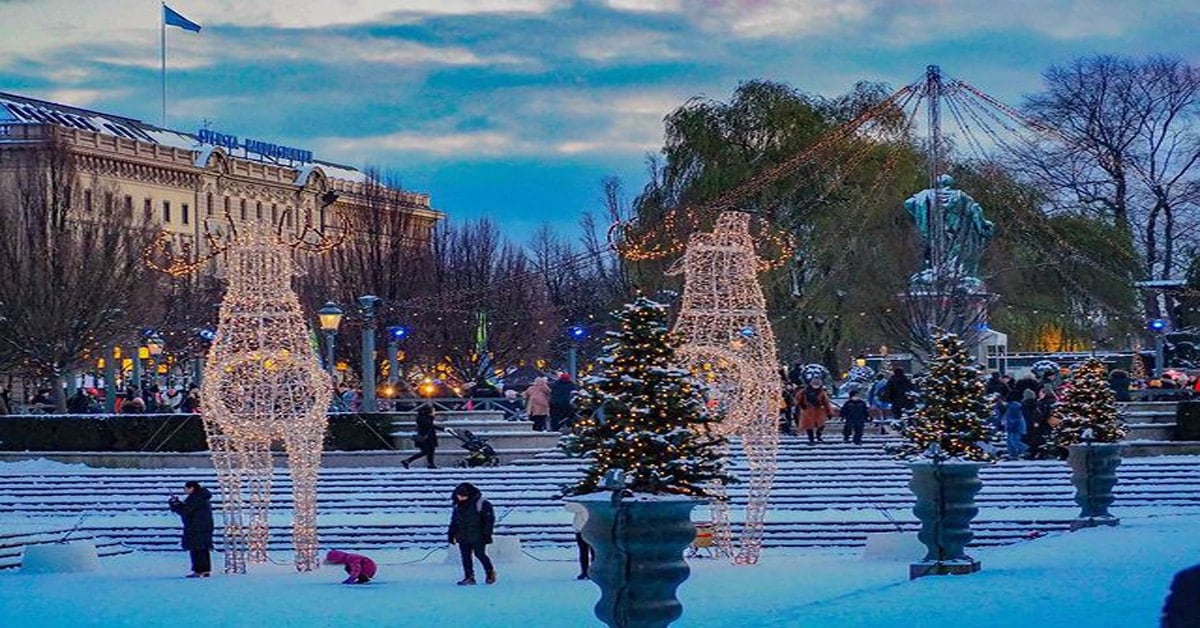
Modern traditions have added layers of fun and creativity to Christmas Eve celebrations. Families may enjoy holiday movie marathons, bake and decorate Christmas cookies, or build gingerbread houses. Storytelling and caroling remain beloved pastimes, while acts of community service such as volunteering or donation drives reflect the season’s message of generosity.
A growing trend, the Christmas Eve box, encourages families to relax and enjoy the evening with cozy pajamas, books, or hot chocolate kits. In snowy regions, outdoor activities like ice skating, building snowmen, or touring neighborhood light displays add an extra layer of magic.
Roots of Christmas Traditions
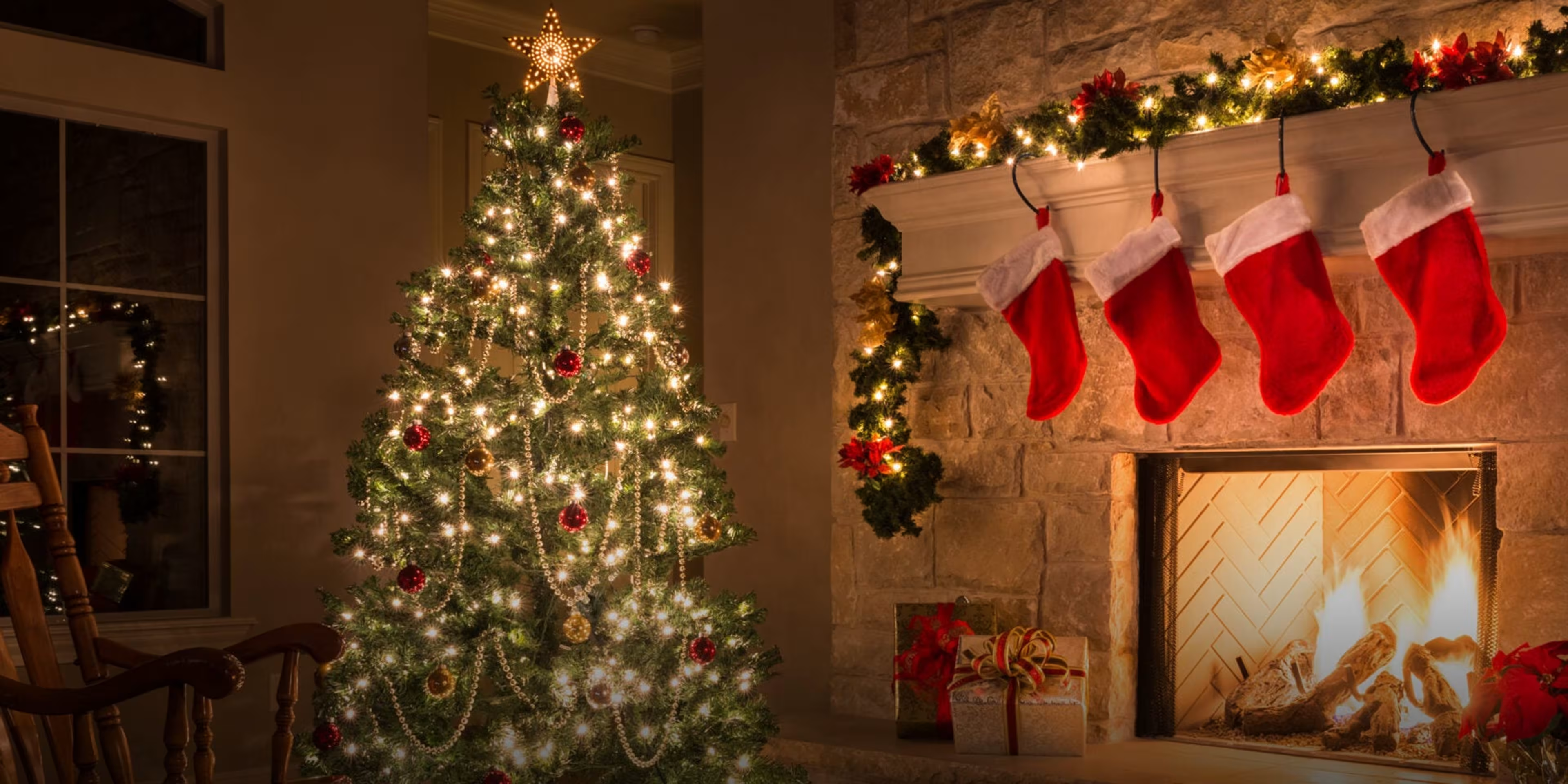
The Christmas tree, now a symbol of the season, first gained popularity in Victorian Britain but originated in 16th-century Germany, where people decorated fir trees with fruit, nuts, sweets, and paper ornaments. Some historians trace the practice even further back to the Romans and Ancient Egyptians, who used evergreens and garlands as symbols of eternal life.
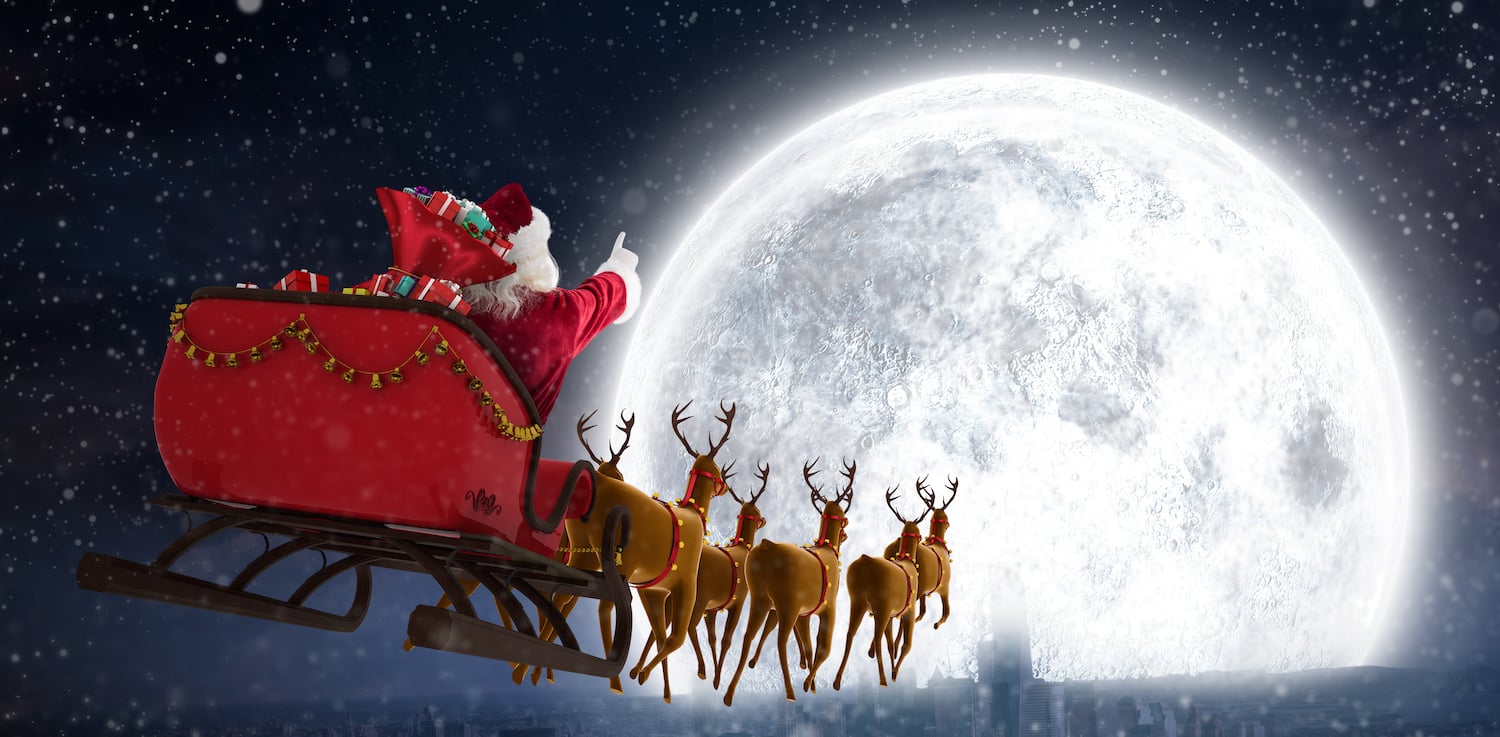
No discussion of Christmas would be complete without Santa Claus. His name comes from Sinterklaas, Dutch for Saint Nicholas, a 4th-century Christian bishop known for his generosity, who eventually became the patron saint of children.
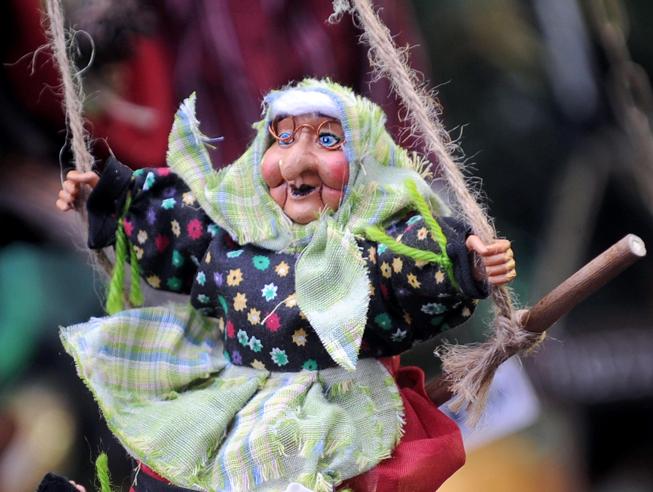
However, Santa is just one of many global Christmas characters: in Italy, the kind witch La Befana delivers gifts on a broomstick, while in Iceland, children leave shoes out for the 13 mischievous Yule Lads, who leave sweets for well-behaved children or a rotten potato for those who have misbehaved.
Whether through religious devotion, family gatherings, or festive traditions, Christmas Eve remains a cherished celebration, spreading warmth, joy, and connection across communities worldwide.