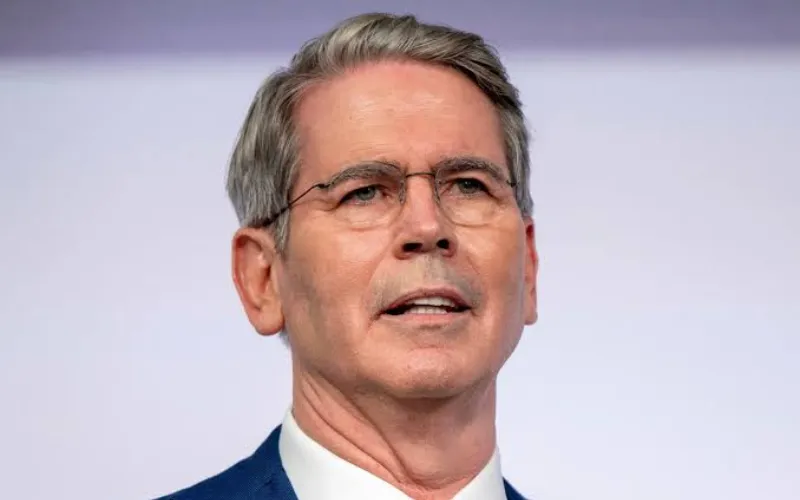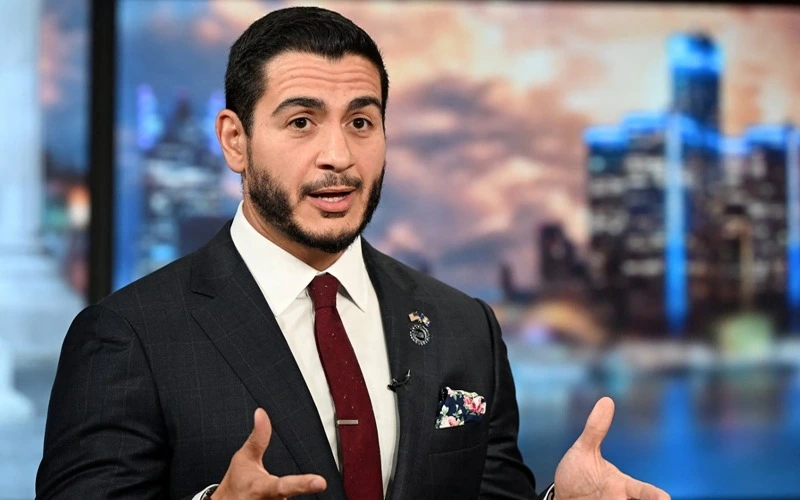
Thousands of Michigan voters turned to the polls on Tuesday for a closely watched Democratic Senate primary that has become more than just a race between two candidates.
Progressive Abdul El-Sayed and US Representative Haley Stevens are competing for the party’s nomination in a contest seen as a test of where Democrats are headed on issues including healthcare, the economy, and foreign policy. With the result still too close to call, the outcome could shape the party’s strategy ahead of the November midterm elections.
With around 70% of estimated votes counted, El-Sayed held a narrow lead over Stevens, securing 49.8% of the vote compared with Stevens’ 46.3%, according to CNN.
The winner of the Democratic primary will face Republican nominee Mike Rogers in November in a race that could play an important role in determining control of the US Senate.
The Michigan contest has highlighted the growing divide between the Democratic Party’s progressive and moderate wings.
El-Sayed, a former public health official, built his campaign around expanding healthcare access, reducing living costs, and limiting the influence of wealthy donors in elections.
Stevens, a Democratic congresswoman, presented herself as a practical problem-solver with a focus on governance and policy solutions. Her campaign received backing from Democratic leaders and pro-Israel groups.
The primary also reflected broader disagreements among Democrats over US support for Israel, an issue that has influenced several elections across the country.
Michigan remains a key political battleground because of its importance in national elections and its large Arab American community.
The race is being closely monitored for signs of voter priorities, particularly on issues such as inflation, healthcare costs, and foreign policy.
Representative Debbie Dingell, who remained neutral during the primary, urged Democrats to unite behind the eventual nominee.
“This race is about how people are hurting,” Dingell said, highlighting concerns over grocery prices, rent, fuel costs, and healthcare.
A Reuters/Ipsos poll released Tuesday showed increasing disagreement among Democratic voters over US policy toward Israel, with many expressing opposition to continued military and economic support.
As ballot counting continued, El-Sayed addressed supporters in Detroit and shifted his focus toward the general election campaign against Republican Mike Rogers.
“We’re going to have to wait a little longer to see the outcome of this race,” El-Sayed told supporters, while calling for Democrats to unite ahead of November.
Stevens also remained confident despite the close margin, telling supporters the result reflected the competitiveness of the race.
“We knew that this was going to be a close race, and that’s exactly what we’ve got,” she said.
Voters in Michigan, Virginia, Missouri, Kansas, and Washington also participated in primary elections that could influence competitive races in November.
In Missouri, Democratic Representative Wesley Bell defeated progressive challenger Cori Bush in a rematch.
In Washington state, Democratic Representative Marie Gluesenkamp Perez advanced from a crowded primary and will face Republican John Braun.
In Virginia, Democrats selected Elaine Luria and Shannon Taylor as nominees in competitive districts, while Kansas state Senator Cindy Holscher won the Democratic gubernatorial nomination.
The Michigan Senate race remains under national attention as Democrats assess their priorities and prepare for the broader fight for control of Congress.