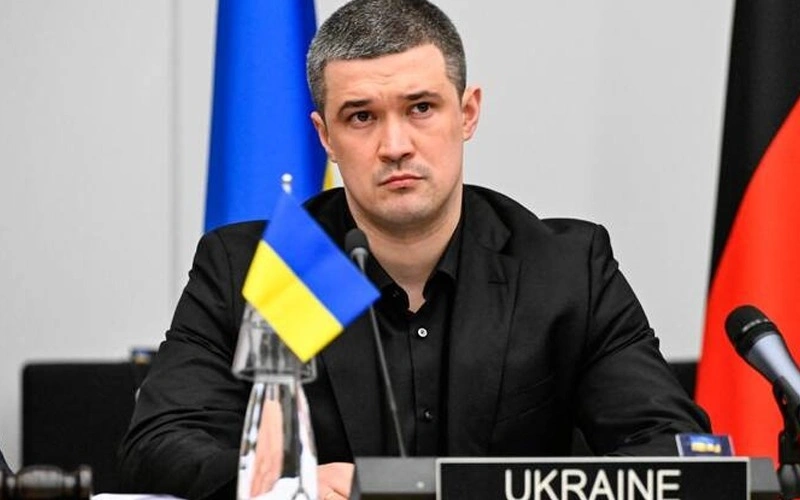
KYIV, Ukraine: A debate that Ukraine has largely avoided since Russia’s full-scale invasion is back in the spotlight, as former Defense Minister Mykhailo Fedorov calls for presidential elections despite the ongoing war, challenging Kyiv to find a way to protect both national security and democratic rule.
Fedorov, 35, made the appeal in a video posted online Tuesday, saying Ukraine needs a “legal, safe and realistic mechanism” to restore a full democratic process even if the conflict continues.
“Democracy cannot be held hostage by Russia,” Fedorov said, arguing that Ukraine is fighting to remain “a free European state.”
Ukraine has been under martial law since Russia launched its full-scale invasion in February 2022. Elections have been suspended under the wartime restrictions, while President Volodymyr Zelenskyy has remained in office after his five-year term formally expired in May 2024.
Fedorov did not mention Zelenskyy by name, but his remarks amounted to the most direct political challenge to the president since Russia’s invasion.
He criticized what he described as a “systemic crisis of governance,” warning that corruption, limited transparency and concerns over political appointments could undermine Ukraine’s ability to fight the war.
“It is particularly dangerous when society develops the feeling that the main criterion for an appointment is not professionalism, results or the ability to transform the country, but personal loyalty to the system,” Fedorov said.
Read More: Ukraine missile strikes kill six in Russia’s Belgorod region
The comments came weeks after Zelenskyy unexpectedly removed Fedorov as defense minister in a government reshuffle.
Fedorov had previously served as digital transformation minister and became one of the most visible figures behind Ukraine’s use of technology in the war. He was credited with expanding drone programs, promoting digital military systems and supporting data-driven approaches to battlefield operations.
His dismissal sparked protests in Kyiv, with supporters calling for his return. Fedorov rejected offers for other government positions and said he would return only as defense minister.
The political turmoil also coincided with the removal of military commander Oleksandr Syrskyi, whose relationship with Fedorov had reportedly become strained.
Zelenskyy has since nominated Yevhen Khmara, a career intelligence official who has been serving as acting defense minister, to take the position permanently.
While Fedorov argued that democracy should continue during wartime, holding a nationwide election would present major logistical and security challenges.
Millions of Ukrainians have been displaced or forced to leave the country since the invasion, while more than 1 million people are serving in the armed forces. About one-fifth of Ukraine’s territory is also under Russian occupation.
Continued Russian attacks raise another major question: how could authorities safely organize voting across a country still facing missile and drone strikes?
Ukrainian political analyst Artem Bronzhukov said there is broad recognition that elections are eventually necessary, but many Ukrainians believe they should take place after the most intense phase of the war ends.
Fedorov has not said he plans to run for president, but his growing political profile has fueled speculation about his future.
Before becoming defense minister, he led Ukraine’s digital transformation efforts and helped establish the volunteer “IT Army of Ukraine” during the early months of the invasion. He later promoted the Army of Drones initiative and pushed the military toward greater use of technology and innovation.
Recent polling cited by Ukrainian researchers placed Fedorov behind Zelenskyy and former armed forces chief Valerii Zaluzhnyi in a hypothetical first-round presidential election. The same polling suggested Fedorov and Zaluzhnyi could defeat Zelenskyy in a potential runoff.
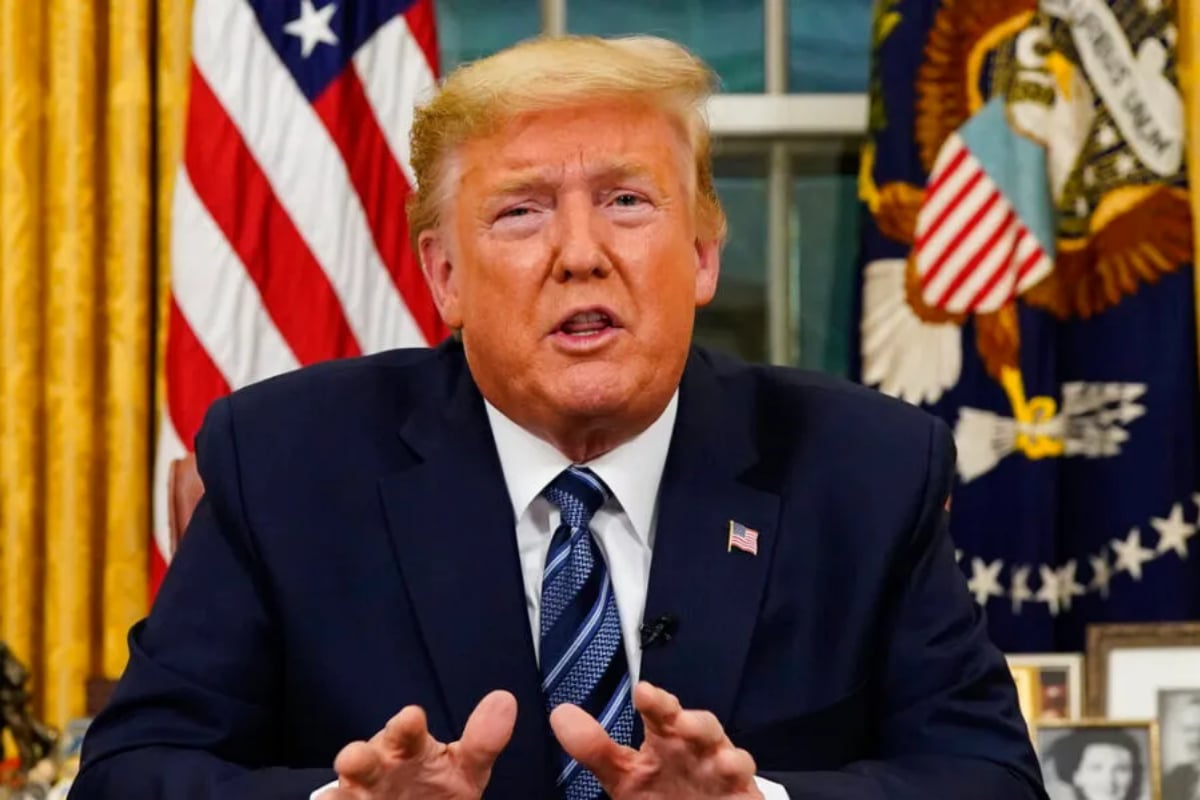
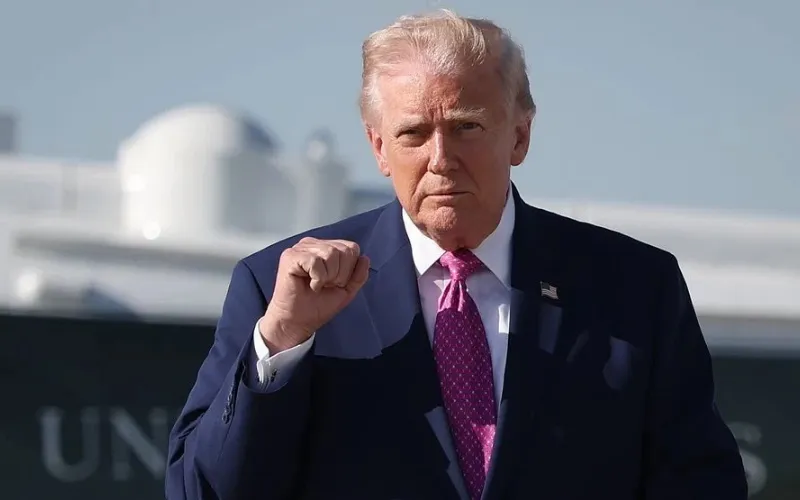
The United States has also previously pressed Kyiv to consider elections, with President Donald Trump publicly calling for a vote.
For now, Ukraine has no presidential election scheduled. Fedorov’s intervention has instead reopened a politically sensitive debate over whether democratic institutions can function during a prolonged war and whether delaying elections for security reasons could eventually create its own risks for Ukraine’s democracy.