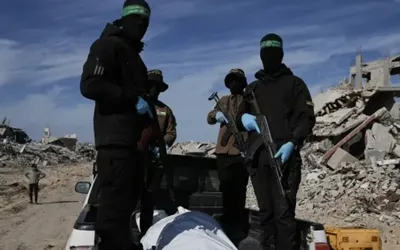
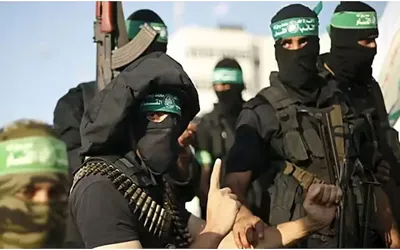
DOHA, Qatar: Senior Hamas official Bassem Naim said Sunday that the group is prepared to discuss “freezing or storing” its weapons as part of the U.S.-brokered ceasefire agreement with Israel.
Speaking in Doha, Naim said Hamas is “very open minded” about arrangements for its arsenal in the next phase of the truce. “We can talk about freezing or storing or laying down [our weapons], with Palestinian guarantees, not to use it at all during this ceasefire time or truce,” he said.
Naim emphasized that Hamas still “retains its right to resist,” but said the group is willing to consider steps toward disarmament within a long-term political process leading to a Palestinian state. He suggested a five- to ten-year truce to allow negotiations to proceed.
He also said Hamas welcomes an international force to monitor the ceasefire along Gaza’s borders but will not accept any foreign mandate inside Palestinian territory. “We are welcoming a U.N. force to be near the borders, supervising the ceasefire agreement… but we don’t accept that these forces have any kind of mandates” beyond observation, he said.
Naim added that Hamas and the Palestinian Authority have made progress on forming a technocratic committee to run Gaza’s daily affairs and said a candidate to lead it has been agreed upon.
Addressing clashes involving armed Hamas members in Israeli-controlled areas of Gaza, Naim said the group had “no communication” with the fighters when the ceasefire was signed and that they are “not aware” of developments on the ground.
He accused Israel of failing to meet key ceasefire obligations, including reopening the Rafah crossing and allowing adequate humanitarian aid into Gaza.
Asked whether Hamas regrets the Oct. 7 attack, Naim said Palestinians had paid a heavy price but called the assault “an act of defense.” “History didn’t start on Oct. 7,” he said. “We have done our duty to raise the voice of our people.”
Hamas Attack on Israel:
On October 7, 2023, Hamas launched a large-scale attack on Israel, resulting in over 1,200 Israeli deaths and more than 250 individuals taken hostage. This unprecedented assault marked a major escalation in the ongoing conflict between Israel and Gaza-based militant groups.
Israeli Military Response:
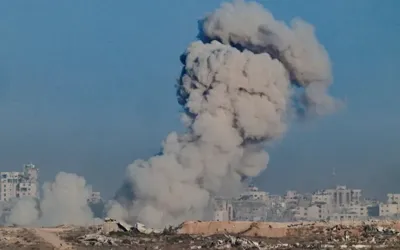
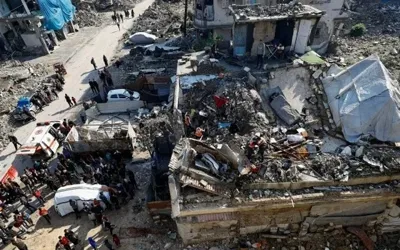
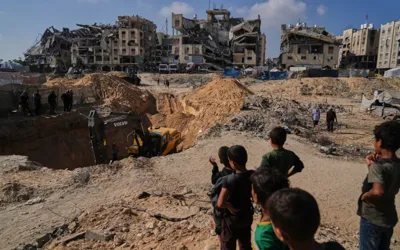
In retaliation, Israel launched a comprehensive military offensive in Gaza. The campaign led to the deaths of over 70,000 Palestinians, with almost all of Gaza’s two million residents displaced. The conflict also caused massive destruction to Gaza’s infrastructure, further exacerbating the humanitarian crisis.
Ceasefire and Peace Agreement:
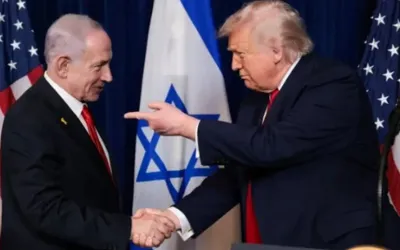
A U.S.-brokered 20-point peace plan, led by former President Donald Trump, was adopted by the U.N. Security Council to de-escalate the conflict. Qatar, Egypt, and Turkey were designated as guarantor nations. The agreement initiated a phased approach to stabilization and reconciliation.
First Phase: Hostage Exchanges:
The initial phase focused on hostage-prisoner exchanges. Most hostages were released successfully, although one Israeli remained deceased. This phase helped establish preliminary trust between the parties but left critical political and security issues unresolved.
Second Phase: Disarmament and Governance:
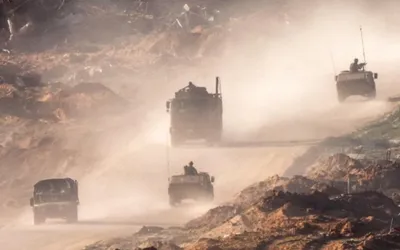
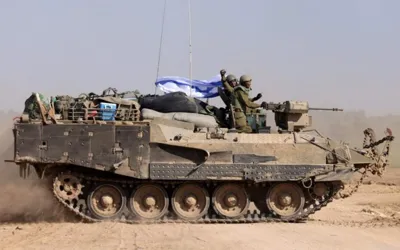
The upcoming second phase aims to implement major political and security changes. Key elements include the disarmament of Hamas, the withdrawal of Israeli troops from Gaza, the establishment of a technocratic Palestinian committee to govern the region, and the deployment of an international stabilization force.
Key Challenges:
Several obstacles remain in implementing the second phase. Israel demands full Hamas disarmament, while Hamas has proposed freezing or storing its weapons temporarily during a truce. Additionally, Hamas permits international monitoring but opposes granting the stabilization force any operational authority inside Gaza. Humanitarian aid continues to be restricted, with the Rafah border crossing only partially open. Internally, the new Gaza committee is being formed, with Majed Abu Ramadan potentially taking a leading role.
Humanitarian Impact:
The conflict has caused tens of thousands of deaths and left Gaza’s population facing severe food, shelter, and medical shortages. The destruction of infrastructure has further compounded the crisis, making immediate humanitarian intervention essential.
Outlook:
The second phase of the peace plan requires careful coordination among Israel, Hamas, Palestinian authorities, and international guarantors. While the ceasefire has temporarily reduced hostilities, disarmament and reconstruction remain major sticking points. Successful implementation will depend on continued diplomatic engagement, international support, and compliance from all parties.