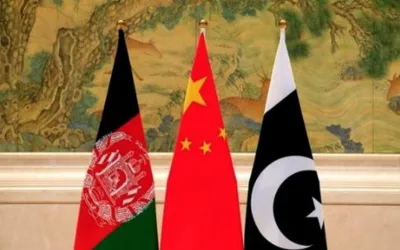
India's efforts to engage with the Taliban are intensifying, contributing to rising tensions between Afghanistan and Pakistan. As violence escalates along the border, both nations face increasing instability, International media reports
According to Washington Post, alongside news of the U.S., the Ukraine war, and Africa, a fresh report from Asia states that India’s increasing diplomatic and political engagement with the Taliban has further intensified tensions between Afghanistan and Pakistan.
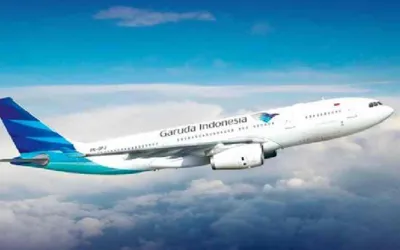
Ariana Airlines Cuts Cargo Tariffs to Boost India-Afghanistan Trade:
In early November, Afghanistan’s national carrier, Ariana Airlines, announced significant reductions in cargo tariffs for trade with India. This move is expected to give a substantial boost to bilateral trade. In 2024, trade between the two countries was estimated at $1 billion, down from $1.8 billion before the Taliban’s takeover in 2021. Afghanistan primarily exports agricultural products and minerals to India, while India’s main exports to Afghanistan include textiles, pharmaceuticals, sugar, tea, and rice.
Visit of Afghan Minister of Industry and Commerce to India:
During his five-day visit to India beginning November 19, 2025, Taliban administration’s Minister of Industry and Commerce, Alhaj Nooruddin Azizi, emphasized the need to strengthen trade relations, noting that current trade levels fall short of potential.
This visit came a month after Afghan Foreign Minister Mawlawi Amir Khan Muttaqi’s visit. Alhaj Nooruddin Azizi met senior Indian officials, including External Affairs Minister S. Jaishankar, Minister of State for Commerce and Industry Jatin Prasad, and Commerce Minister Piyush Goyal on November 24, 2025, and also engaged with Indian business leaders.
Chabahar Port and India-Afghanistan Trade:
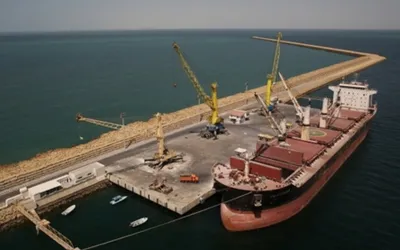
The Afghan Minister called on India to expand operations at Chabahar Port in Iran and establish regular shipping routes via the port to enhance trade between the two countries. The Trump administration, despite sanctions on Iran, granted India a six-month waiver starting October 29, 2025, for its Chabahar operations.
Chabahar Port serves as India’s key access point to Afghanistan and Central Asia, particularly since Pakistan has frequently blocked land routes between India and Afghanistan. Analysts view Chabahar as India’s strategic alternative to Pakistan’s Gwadar Port, a crucial part of the China-Pakistan Economic Corridor (CPEC). In 2024, India signed a 10-year agreement to manage the Shahid Beheshti terminal at Chabahar and has been actively developing the port since 2018.
India aims to enhance trilateral connectivity with Afghanistan and Iran through Chabahar, a plan formalized in a 2016 agreement. The port has been used to transport relief materials to Afghanistan and is envisioned as part of the International North-South Transport Corridor (INSTC), strengthening India’s trade links with Russia and beyond.
Enhanced Air Connectivity:
Recognizing the importance of air links alongside maritime routes, India and Afghanistan agreed to improve air connectivity. India launched air freight corridors on the Delhi-Kabul and Amritsar-Kabul routes and resumed cargo flights, following an agreement during the Afghan Foreign Minister’s visit. Both countries also plan to appoint trade attaches in Delhi and Kabul.
Measures to Facilitate Trade:
The Afghan Minister highlighted additional logistical measures to facilitate trade, including smoother visa issuance for Afghan traders and expedited cargo processing at Nhava Sheva port near Mumbai.
Despite three rounds of negotiations in Qatar and Turkiye, Afghanistan-Pakistan tensions over Tehreek-e-Taliban Pakistan’s (TTP) presence and the use of Afghan soil for cross-border terrorism have not subsided. Though a tenuous ceasefire reached in Doha holds, both sides have not agreed on a mechanism to tackle TTP’s challenge.
On 25th of November, the Afghan Taliban spokesman Zabiullah Mujahid claimed that Pakistan conducted overnight airstrikes in Afghanistan's Khost, Kunar and Paktika province, Killing nine children and a woman.
In answer of that allegation Islamabad has absolutely rejected and clarified that the terrorist organizations are using Afghan territory to carry out operations against Pakistan.
No Result of Talks Between Afghanistan and Pakistan:
The third round of talks in Istanbul ended in a stalemate and Turkish mediators are likely to visit Afghanistan and Pakistan soon to break the deadlock. The elephant in the room is TTP’s presence in Afghanistan and without addressing it the relationship is unlikely to improve.
Pakistan has kept all major border crossings with Afghanistan closed for trade and people’s movement. The expulsion of Afghan refugees from Pakistan has also been expedited to build pressure on Kabul.
Pak-Afghan Border Closure Hits Key Export Sectors, Losses Mount:
Pakistan’s key export industries are facing mounting losses as the closure of major border crossings with Afghanistan—effective since October 11—continues to choke trade flows, industry officials warn.
The halt has particularly strained the cement sector. Northern cement mills, cut off from Afghan coal, have turned to more expensive imports from South Africa, Indonesia, and Mozambique. Domestic prices of Darra coal have surged to Rs42,000–45,000 per tonne, up from Rs30,000–32,000 before the disruption. With around seven per cent of Pakistan’s cement shipments traditionally destined for Afghanistan, exports remain frozen, hitting major producers such as Cherat Cement, Fauji Cement, and Maple Leaf Cement.
Pharmaceutical exporters are facing a similar squeeze. Afghanistan typically imports $187 million worth of Pakistani medicines annually—making it one of the sector’s largest foreign markets. However, border closures and Kabul’s ongoing three-month blanket ban on medicine imports have caused heavy damage. The Searle Company Pakistan estimates its losses alone at Rs2 billion, made worse by the collapse of informal trade routes that previously exceeded formal volumes.
Agricultural exporters are also grappling with the fallout. Pakistan’s yearly $150 million fruit and vegetable trade with Afghanistan—including kinnow, mangoes, bananas, and potatoes—has been upended. With shipments stranded, traders are being forced to dump or offload produce locally. Prices have reacted sharply: pomegranates now sell for Rs4,000–4,500 per 10kg carton, while lower-priced Iranian apples and grapes have entered the domestic market at Rs2,000–3,000 per 10kg carton.
Exports of ghee, cooking oil, wheat, and flour have nearly ground to a halt. Pakistan, once a key supplier of wheat and flour to Afghanistan, is rapidly losing market share to Russia, Turkmenistan, and Kazakhstan—translating into lost foreign exchange. Efforts to divert shipments through Iran have stalled due to banking hurdles and the State Bank of Pakistan’s refusal to relax documentation requirements for traders.
Analysts caution that a prolonged closure could deepen economic strain across multiple sectors, further destabilizing Pakistan’s already fragile trade outlook and disrupting regional supply chains.