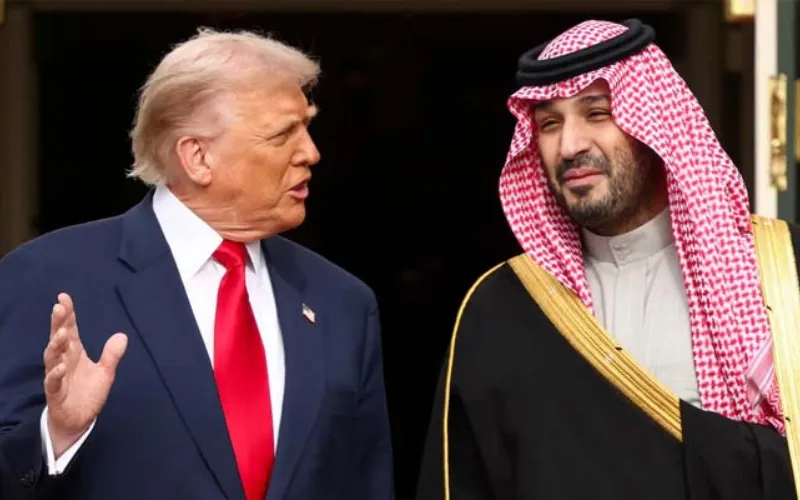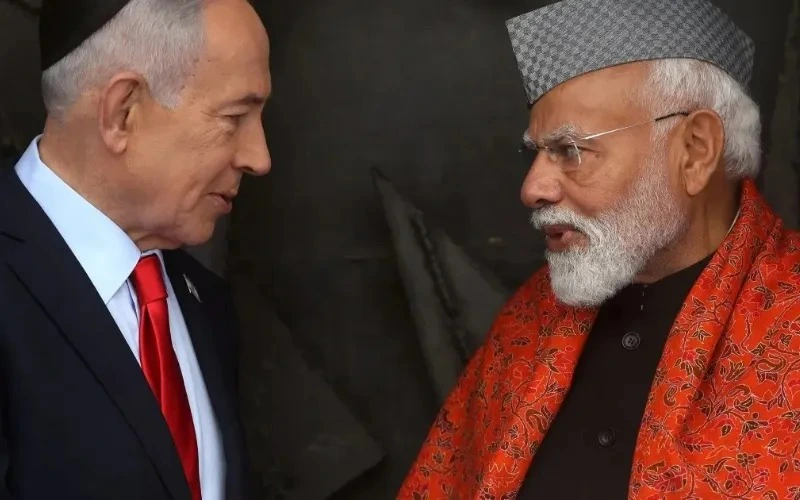
Political debate has intensified in India following Narendra Modi’s recent Israel policy and his visit to the Middle East. Opposition parties have accused the government of adopting policies that could increase tensions in the region and undermine India’s traditional non-aligned foreign policy approach.
According to reports, Modi’s recent visit is being viewed as unconditional support for Israel’s position, particularly in the context of recent tensions involving Iran. The opposition argues that this perception could disrupt diplomatic balance in the region.
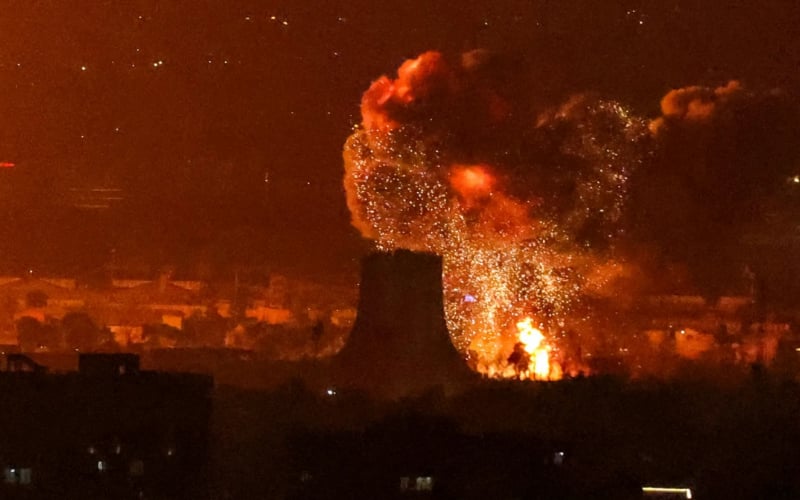
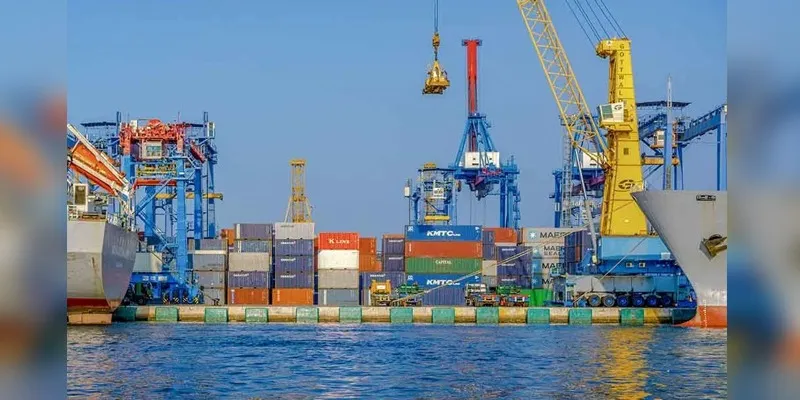
International publication Bloomberg reported, citing the Indian opposition, that the government’s recent stance signals possible support for potential aerial operations against Iran, which could further deepen the regional crisis. The report also noted that instability in the Middle East could pose economic challenges for India, including rising oil prices and an increased trade deficit.
A spokesperson for the Indian National Congress stated that the government’s response regarding Iran does not align with India’s traditional diplomatic values and national interests. According to them, India should maintain balance and diplomatic harmony in the region.
Meanwhile, the situation in Indian-administered Jammu and Kashmir has also remained under international scrutiny, with various global forums expressing concern over human rights issues.
Political analysts say that in the context of shifting global alignments, India must carefully balance its energy needs, regional security, and diplomatic relations to avoid the potential economic and strategic consequences of any emerging crisis.